
The United Arab Emirates (UAE) has historically been synonymous with resource extraction, particularly oil and gas. However, a significant shift is underway, as the nation increasingly embraces sustainable development and diversification. This pivot has fostered a fertile ground for eco-friendly entrepreneurship, transforming the economic landscape and positioning the UAE as a regional leader in green innovation. This article explores the various facets of this emergent trend, examining the driving forces, key sectors, challenges, and future prospects of eco-friendly entrepreneurship in the UAE.
Policy Framework and Government Initiatives
The UAE’s commitment to sustainability is not merely rhetorical; it is enshrined in national strategies and supported by substantial government initiatives. These frameworks provide the architectural blueprints for a greener economy, encouraging businesses to adopt environmentally responsible practices.
Vision 2021 and UAE Centennial 2071
The UAE Vision 2021 laid the groundwork for a competitive and diversified knowledge economy, with environmental sustainability as a core pillar. Building upon this, the UAE Centennial 2071 outlines a long-term vision for the nation to be the best in the world, prioritizing sustainable development, a high quality of life, and advanced scientific endeavors. These overarching strategies act as a compass, guiding economic policy towards environmentally conscious growth.
Green Economy for Sustainable Development Strategy
Launched in 2012, this strategy explicitly positions the UAE as a global hub for green industries. It aims to diversify the economy away from hydrocarbon dependence, fostering innovation in renewable energy, green technology, and sustainable tourism. This strategy has catalyzed the growth of eco-friendly ventures by providing a clear national direction and various support mechanisms.
Dubai Clean Energy Strategy 2050 and Abu Dhabi Economic Vision 2030
At the emirate level, specific strategies reinforce the national agenda. Dubai’s Clean Energy Strategy 2050 targets 75% of Dubai’s total power output from clean energy sources by 2050. This ambitious goal creates significant opportunities for entrepreneurs in renewable energy, energy efficiency, and smart grid technologies. Similarly, Abu Dhabi’s Economic Vision 2030 emphasizes a sustainable and diversified economy, promoting investment in sectors like renewable energy, sustainable agriculture, and integrated waste management. These emirate-level initiatives provide localized incentives and market opportunities for green businesses.
Emerging Sectors and Entrepreneurial Opportunities
The push for sustainability has unlocked a spectrum of new industries and entrepreneurial avenues across the UAE. These sectors represent the fertile soil where green businesses can take root and flourish.
Renewable Energy
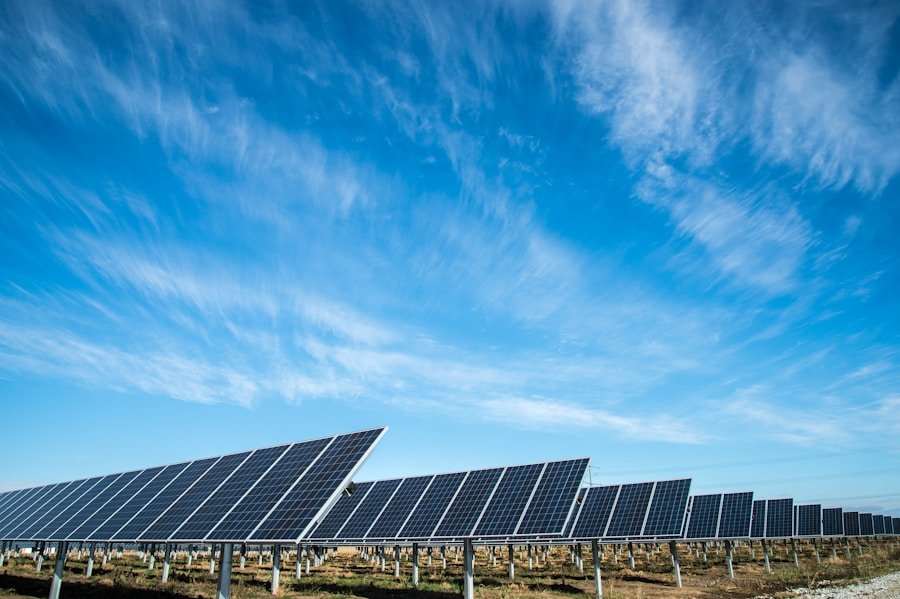
Solar power stands as a cornerstone of the UAE’s renewable energy strategy. Projects like the Mohammed bin Rashid Al Maktoum Solar Park in Dubai demonstrate the nation’s commitment to large-scale photovoltaic (PV) deployment. This infrastructure provides opportunities for businesses involved in solar panel installation and maintenance, smart energy management systems, and battery storage solutions. Wind energy, while less prevalent, also presents niche opportunities, particularly for offshore projects.
Waste Management and Recycling
The UAE generates considerable waste, presenting both a challenge and an opportunity. Businesses focused on waste reduction, reuse, and recycling are gaining traction. This includes companies offering innovative sorting technologies, material recovery facilities, and solutions for converting waste into energy (Waste-to-Energy, WtE). Beyond traditional recycling, novel approaches like upcycling and the circular economy model are emerging, where waste materials are transformed into new products, effectively closing the loop.
Sustainable Agriculture and Food Technology
With a harsh desert climate, food security is a critical concern for the UAE. This has spurred investment in sustainable agricultural practices. Vertical farming, hydroponics, and aquaponics are gaining prominence, allowing for food production with minimal water and land usage. Similarly, food technology startups are innovating in areas such as sustainable protein alternatives, smart irrigation systems, and food waste reduction technologies. These ventures address both environmental concerns and strategic national priorities.
Green Building and Sustainable Urban Development
The rapid urbanization of the UAE has led to a focus on sustainable construction practices. Green building certifications, energy-efficient designs, and the use of sustainable materials are becoming standard. This opens doors for architects, engineers, contractors, and material suppliers specializing in eco-friendly building solutions. Smart city initiatives, aiming to integrate technology for resource optimization and reduced environmental impact, also provide a canvas for green entrepreneurs.
Enablers and Ecosystem Support
The burgeoning eco-friendly entrepreneurship scene in the UAE is not an isolated phenomenon. It is nurtured by a supportive ecosystem, acting as the light and water for these green seedlings to grow.
Free Zones and Incubation Programs
Several free zones across the UAE offer attractive incentives for businesses, including 100% foreign ownership, tax exemptions, and streamlined registration processes. Many of these zones, such as Dubai Silicon Oasis Authority (DSOA) and Masdar City, specifically target green technology and innovation. incubation programs, accelerators, and co-working spaces further support nascent eco-friendly startups by providing mentorship, networking opportunities, and access to funding.
Funding and Investment Mechanisms
Access to capital is crucial for any startup. The UAE has seen an increase in green financing options, including venture capital funds dedicated to sustainable investments, government grants, and impact investors. Banks are also beginning to offer specialized green loans and financial products. The Abu Dhabi Global Market (ADGM) and Dubai International Financial Centre (DIFC) are developing frameworks to facilitate sustainable finance, channeling investment towards environmentally conscious ventures.
Awareness and Education Initiatives
Public awareness and education play a vital role in shaping consumer demand for eco-friendly products and services. Government campaigns, workshops, and educational programs promote sustainable living and encourage responsible consumption. Universities and research institutions are also contributing by developing specialized courses in sustainable development and fostering research into green technologies, thereby cultivating a skilled workforce and informed consumer base.
Challenges and Roadblocks
Despite the significant progress, the path for eco-friendly entrepreneurs in the UAE is not without its obstacles. These challenges represent the stones and uneven terrain that entrepreneurs must navigate.
High Initial Capital Investment
Many eco-friendly ventures, particularly in renewable energy and green technology, require substantial upfront capital for research, development, and infrastructure. While funding is increasing, securing sufficient investment can still be a hurdle for smaller startups. The cost of adopting new, often unproven, green technologies can also be a deterrent for established businesses.
Market Adoption and Consumer Behavior
While awareness is growing, a segment of the consumer market may still prioritize cost or convenience over environmental features. Shifting deeply ingrained consumer behaviors and encouraging the adoption of green products and services requires sustained effort in education and incentivization. The perceived higher cost of some eco-friendly alternatives can also limit their widespread adoption.
Regulatory Complexity and Standardization
Navigating the regulatory landscape can be challenging for new businesses. While frameworks are evolving, inconsistencies or a lack of specific standards for certain green technologies can create uncertainty. Harmonizing regulations across different emirates and aligning with international sustainability standards remains an ongoing process.
Talent Acquisition and Skill Gap
The rapid growth of the green sector has created a demand for specialized skills in areas like renewable energy engineering, sustainable design, and environmental data analysis. A potential skill gap exists, requiring investment in education and training programs to ensure a robust talent pipeline for eco-friendly businesses. Attracting and retaining top talent in a competitive global market is also a consideration.
Future Outlook and Opportunities
| Year | Number of Eco-Friendly Startups | Investment in Eco-Friendly Ventures (in AED) | Number of Green Jobs Created |
|---|---|---|---|
| 2015 | 20 | 5,000,000 | 150 |
| 2016 | 35 | 8,000,000 | 250 |
| 2017 | 50 | 12,000,000 | 400 |
| 2018 | 65 | 15,000,000 | 600 |
| 2019 | 80 | 20,000,000 | 800 |
The trajectory for eco-friendly entrepreneurship in the UAE appears robust, with significant opportunities on the horizon. The future represents a horizon filled with both challenges to overcome and new landscapes to explore.
Regional Leadership and Export Potential
The UAE is positioning itself as a regional hub for green technology and expertise. As the nation refines its sustainable practices and innovations, there will be increasing opportunities to export these solutions to other countries in the Middle East and Africa facing similar environmental challenges. This positions UAE-based eco-friendly businesses for international expansion.
Emergence of New Technologies
Continued investment in research and development will lead to the emergence of new green technologies, creating unprecedented entrepreneurial opportunities. Areas such as carbon capture and utilization (CCU), advanced battery storage, sustainable desalination, and biotechnologies for environmental remediation hold immense promise. Entrepreneurs adept at identifying and leveraging these emerging technologies will find fertile ground.
Integration with Smart City Initiatives
The UAE’s commitment to developing smart cities, exemplified by projects like Masdar City and District 2020, will further integrate eco-friendly solutions into urban infrastructure. This creates demand for businesses specializing in smart grids, sustainable mobility, intelligent waste management, and data-driven resource optimization. The convergence of technology and sustainability will be a powerful driver of innovation.
Collaboration and Partnerships
The future of eco-friendly entrepreneurship will likely be characterized by increased collaboration between government, private sector, academic institutions, and international organizations. Public-private partnerships can accelerate the deployment of green projects, while collaborations with research institutions can drive innovation. International partnerships can facilitate knowledge transfer and access to global markets.
In conclusion, the rise of eco-friendly entrepreneurship in the UAE is a tangible and strategic shift, driven by a clear policy agenda, substantial government investment, and a growing recognition of the economic and environmental imperatives. While challenges remain, the nation’s proactive approach to sustainability, coupled with a vibrant entrepreneurial ecosystem, paints a picture of a future where green businesses are not just an alternative, but a cornerstone of the UAE’s diversified and resilient economy. The journey is ongoing, but the foundation for a sustainable future is firmly in place.