
Innovative Eco Engineering: How Businesses are Embracing Sustainable Practices
Businesses are increasingly integrating innovative eco-engineering principles into their operations, recognizing the dual imperative of environmental stewardship and long-term economic viability. This shift represents a fundamental reorientation, moving beyond incremental improvements to a systemic redesign of processes and products with sustainability as a core tenet. The rationale is manifold: regulatory pressures, consumer demand for ethical products, and the undeniable reality of resource scarcity are compelling factors driving this transformation. Eco-engineering, in this context, is not merely about reducing negative impacts; it is about proactively designing for a regenerative and resilient future.
The Genesis of Sustainable Business Models
The concept of eco-engineering in business emerged from a growing awareness of the environmental consequences of industrialization. Early environmental regulations, born from the understanding that unchecked pollution could have severe repercussions, laid the groundwork. However, these often focused on end-of-pipe solutions, akin to treating symptoms rather than curing the underlying illness. The evolution to eco-engineering signifies a proactive, upstream approach, where environmental considerations are woven into the fabric of design and production from conception. This paradigm shift acknowledges that the linear “take-make-dispose” model is inherently unsustainable, and that a circular economy, where resources are kept in use for as long as possible, is the logical and necessary successor.
The Circular Economy: A Foundational Principle
At its heart, the circular economy is a restorative and regenerative system by design. It aims to decouple economic activity from the consumption of finite resources. Unlike the traditional linear model, which depletes the planet’s resources and generates vast amounts of waste, the circular economy keeps products, components, and materials at their highest utility and value at all times. This necessitates a fundamental rethinking of product design, manufacturing processes, and supply chains. It requires businesses to move from selling products to providing services, for instance, by leasing products or offering repair and refurbishment programs.
Cradle-to-Cradle Design Philosophy
A key manifestation of this shift is the adoption of cradle-to-cradle (C2C) design principles. This approach, championed by architects and designers like William McDonough and Michael Braungart, advocates for the creation of products that can be safely and indefinitely cycled as either biological nutrients or technical nutrients. Biological nutrients are materials that can return to the biosphere without harming living systems, such as biodegradable packaging. Technical nutrients are materials, like metals or certain plastics, that can be recovered and reused indefinitely in closed-loop systems. This philosophy moves beyond simply minimizing harm to actively designing for regeneration and positive environmental impact.
Dematerialization and Resource Efficiency
Dematerialization, the process of achieving economic growth at a lower rate of material consumption, is another critical aspect of eco-engineering. Businesses are exploring ways to reduce the amount of raw materials used in their products, for example, by designing lighter, more durable goods, or by utilizing advanced materials with enhanced properties. Resource efficiency extends this further, focusing on maximizing the output gained from every unit of input, whether it be energy, water, or raw materials. This involves optimizing production processes, minimizing waste, and implementing stringent quality control measures to prevent the premature obsolescence of products.
Integrating Renewable Energy and Resource Management
The transition to predominantly renewable energy sources is a cornerstone of business eco-engineering. This is not simply about corporate social responsibility; it’s increasingly about risk mitigation, cost savings, and energy independence. Furthermore, a holistic approach to resource management encompasses water conservation, waste reduction, and the responsible sourcing of materials.
Shifting to Renewable Energy Sources
Many companies are actively investing in or sourcing electricity from renewable sources such as solar, wind, and geothermal. This can be achieved through on-site generation (installing solar panels on factory roofs, for example), power purchase agreements (PPAs) with renewable energy developers, or by purchasing renewable energy certificates (RECs). The motivation often extends beyond environmental goals to include price stability, as renewable energy sources are less susceptible to the volatile price fluctuations of fossil fuels.
On-site Generation and Microgrids
Businesses are increasingly exploring on-site renewable energy generation to power their facilities. This includes not only solar photovoltaic (PV) systems but also smaller-scale wind turbines and combined heat and power (CHP) systems that utilize renewable biomass. The development of microgrids, which can operate independently of the main power grid, offers enhanced energy resilience and security, particularly for critical infrastructure.
Power Purchase Agreements (PPAs) and Renewable Energy Certificates (RECs)
For companies that cannot invest in on-site generation, PPAs offer a way to contractually purchase electricity directly from renewable energy projects. This provides long-term price certainty and drives investment in new renewable capacity. RECs, while not directly providing electricity, represent the environmental attributes of renewable energy generation and can be purchased to offset a company’s electricity consumption from non-renewable sources.
Water Conservation and Management
Water is a finite resource, and businesses are recognizing the importance of responsible water management. This involves reducing water usage in production processes, implementing water recycling and reuse systems, and ensuring responsible wastewater discharge. Sector-specific initiatives, such as those in agriculture and manufacturing, are crucial for addressing unique water challenges.
Closed-Loop Water Systems
Implementing closed-loop water systems allows businesses to treat and reuse water within their facilities, significantly reducing their reliance on freshwater sources and minimizing wastewater discharge. This can involve advanced filtration, purification, and treatment technologies.
Water Footprint Assessments
Companies are increasingly conducting water footprint assessments to understand their total water consumption, both directly and indirectly, across their value chains. This allows for targeted interventions to reduce overall water impact.
Waste Minimization and Valorization
The principle of waste minimization is central to eco-engineering. This involves adopting strategies to reduce waste generation throughout the product lifecycle, from raw material sourcing to end-of-life management. Waste valorization, the process of converting waste materials into valuable products, is a key strategy for achieving a circular economy.
Source Reduction and Process Optimization
The most effective way to reduce waste is to prevent its generation in the first place. This involves optimizing manufacturing processes to minimize defects and scrap, using materials more efficiently, and designing products for longevity and repairability.
By-product Synergy and Industrial Symbiosis
By-product synergy, also known as industrial symbiosis, involves connecting businesses so that the waste or by-products of one company become the raw materials for another. This creates a network of resource exchange, reducing landfill waste and creating economic opportunities.
Sustainable Product Design and Lifecycle Thinking
Eco-engineering fundamentally reshapes how products are conceived, designed, manufactured, used, and disposed of. This involves a holistic lifecycle assessment, considering the environmental impact at every stage, and designing for longevity, repairability, and eventual recyclability or biodegradability.
Designing for Durability and Longevity
Products that are built to last reduce the need for frequent replacements, thereby conserving resources and minimizing waste. This requires a focus on material selection, robust engineering, and user-friendly design that encourages maintenance rather than disposal.
Modular Design and Repairability
Modular design allows components of a product to be easily replaced or upgraded, extending the product’s lifespan and reducing the need to discard entire units. This also facilitates repair, making it more economically viable for consumers to maintain their possessions.
Material Innovation for Extended Lifespans
The development and adoption of new, more durable, and sustainable materials are crucial. This includes advanced polymers, composites, and biomaterials that offer improved performance and reduced environmental impact over their lifecycle.
End-of-Life Considerations: Recycling and Biodegradability
Designing products with their end-of-life in mind is paramount. This means ensuring that materials can be effectively recycled or, if biodegradability is the appropriate pathway, that they break down safely and without harm to the environment.
Designing for Disassembly
Products should be designed to be easily disassembled at the end of their useful life, allowing for the separation of materials for recycling or refurbishment. This often requires avoiding permanent bonding methods and using standardized fasteners.
Material Selection for Recyclability
Choosing materials that are readily recyclable within existing infrastructure is a key aspect of sustainable design. This involves understanding the recycling pathways for different materials and prioritizing those with high recycling rates. Where biological cycles are intended, materials should be certified as compostable or biodegradable under specific conditions.
Implementing Green Supply Chains and Logistics
The environmental impact of businesses extends far beyond their immediate operational boundaries to encompass their entire supply chains. Eco-engineering in this domain focuses on reducing emissions, optimizing transportation, and promoting ethical sourcing of materials.
Sustainable Sourcing of Raw Materials
Businesses are increasingly scrutinizing the origins of their raw materials, seeking suppliers who adhere to environmental and social standards. This can involve choosing certified sustainable sources, promoting fair labor practices, and supporting local economies.
Traceability and Transparency in Supply Chains
Ensuring traceability and transparency throughout the supply chain allows businesses to monitor the environmental and social impacts of their raw material sourcing. This can be achieved through blockchain technology and robust supplier auditing processes.
Preference for Recycled and Renewable Feedstocks
Prioritizing the use of recycled materials and renewable feedstocks as inputs reduces reliance on virgin resources and minimizes the environmental footprint of production. This requires collaboration with material suppliers and innovation in processing recycled content.
Optimizing Transportation and Logistics
The transportation of goods is a significant contributor to greenhouse gas emissions. Eco-engineering aims to mitigate this impact through route optimization, the adoption of fuel-efficient vehicles, and the exploration of alternative transportation modes.
Route Optimization and Load Consolidation
Sophisticated logistics software helps businesses optimize delivery routes, minimizing mileage and fuel consumption. Load consolidation, where multiple shipments are combined into fewer, fuller loads, further enhances efficiency.
Transition to Electric and Alternative Fuel Vehicles
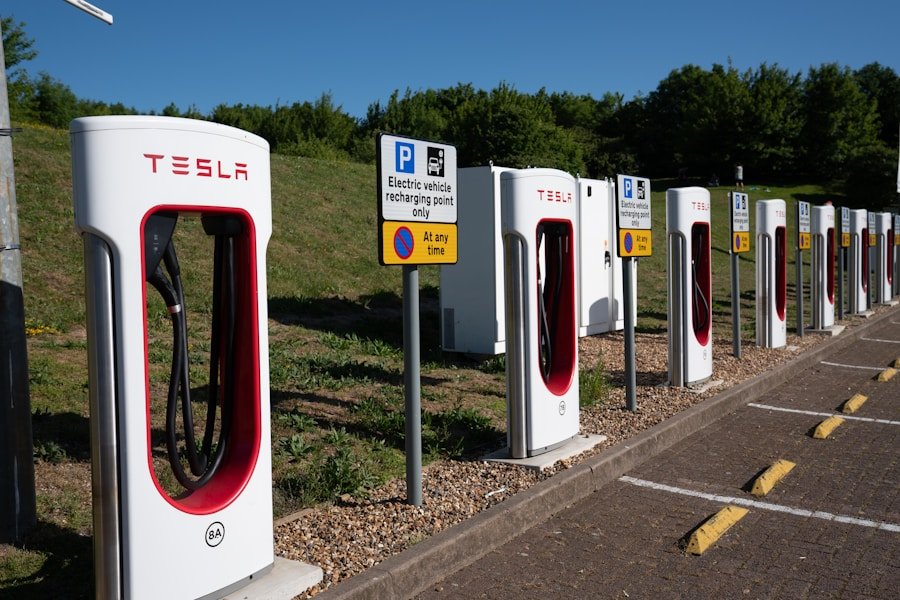
The electrification of fleets and the adoption of alternative fuels, such as hydrogen or advanced biofuels, are crucial steps in decarbonizing transportation. This involves investment in charging infrastructure and the careful selection of vehicles suitable for various operational needs.
Measuring and Reporting Environmental Performance
To effectively drive sustainable innovation, businesses must be able to measure and report their environmental performance. This allows for the identification of areas for improvement, the tracking of progress, and the communication of achievements to stakeholders.
Establishing Environmental Key Performance Indicators (KPIs)
Defining clear and measurable environmental KPIs is essential for tracking progress. These can include metrics related to energy consumption, greenhouse gas emissions, water usage, waste generation, and the proportion of sustainable materials used.
Greenhouse Gas (GHG) Emissions Accounting
Businesses are increasingly adopting standardized methodologies, such as the Greenhouse Gas Protocol, to measure and report their direct (Scope 1), indirect (Scope 2), and value chain (Scope 3) emissions. This provides a comprehensive understanding of their carbon footprint.
Life Cycle Assessment (LCA) for Product Impact
Life Cycle Assessment (LCA) is a systematic approach to evaluating the environmental impacts of a product or service throughout its entire lifecycle, from raw material extraction to end-of-life disposal. This provides valuable data for identifying hotspots of environmental impact.
Transparency and Stakeholder Engagement
Openly reporting on environmental performance fosters trust and accountability. Businesses are utilizing various platforms to communicate their sustainability efforts, from annual environmental reports to integrated sustainability reports that combine financial and non-financial performance.
Corporate Sustainability Reporting Frameworks
Frameworks such as the Global Reporting Initiative (GRI) provide standardized guidelines for businesses to report on their environmental, social, and economic impacts. These frameworks promote comparability and consistency in reporting.
Engaging with Investors and Consumers on Sustainability
Investors are increasingly factoring environmental, social, and governance (ESG) performance into their investment decisions. Similarly, consumers are demonstrating a growing preference for products and brands that align with their values regarding sustainability. Businesses are responding by actively communicating their sustainability commitments and achievements to these key stakeholder groups.
Through these various avenues of innovative eco-engineering, businesses are not merely adapting to a changing world; they are actively shaping it, transforming their operations from resource consumers into stewards of a more sustainable future. This is not a temporary trend, but a fundamental evolution of how commerce interacts with the planet, moving towards a model of growth that is both economically prosperous and environmentally responsible.