
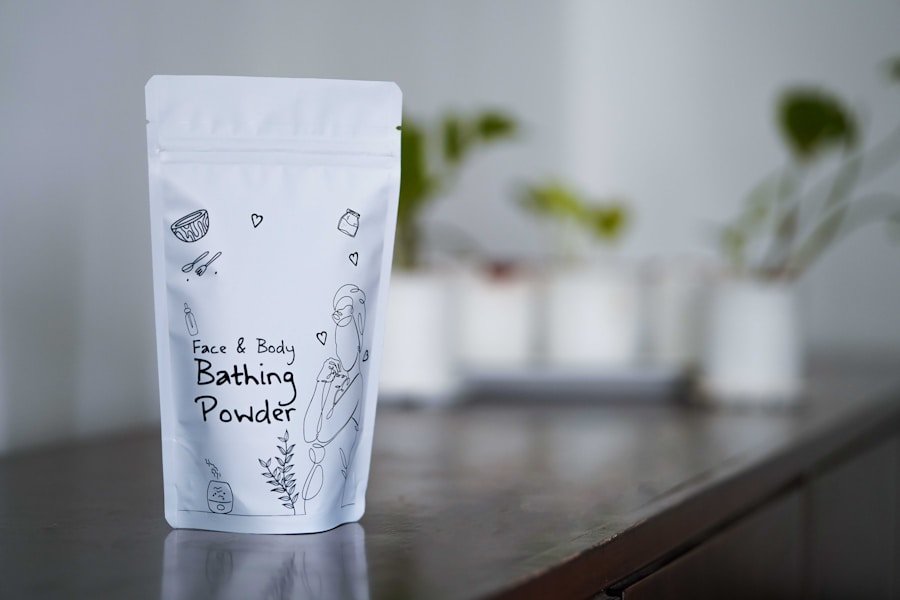
This article outlines strategies for generating public interest and attention around the introduction of an eco-friendly product. The increasing consumer awareness regarding environmental sustainability has created a market amenable to such offerings. A well-executed launch campaign is crucial for a product to gain traction in a competitive landscape. Consider your product launch as the inaugural flight of a new, potentially revolutionary aircraft; meticulous pre-flight checks and a well-publicized maiden voyage are essential for its journey to success.
Understanding the Landscape
Before launching any product, particularly one with an ecological focus, a thorough understanding of the existing market and consumer psyche is imperative. This involves more than just identifying competitors; it necessitates a deep dive into the values and expectations of your target audience.
Target Audience Identification
Pinpointing your ideal customer is the bedrock of any successful marketing campaign. For eco-friendly products, this often involves individuals who prioritize sustainability, actively seek out ethical brands, and are willing to pay a premium for environmentally responsible goods.
- Demographics: Consider age, income, geographic location, and education levels. Are you targeting eco-conscious millennials in urban centers or environmentally aware families in suburban areas?
- Psychographics: Explore their values, beliefs, lifestyles, and purchasing habits. Do they actively participate in environmental activism? Do they prioritize transparency in supply chains?
- Behavioral Data: Analyze past purchase behavior related to sustainable products. This can reveal preferences, common barriers to adoption, and desired benefits.
Market Research and Competitive Analysis
A comprehensive understanding of the market involves assessing both opportunities and threats. This is akin to mapping a new territory before embarking on an expedition.
- Existing Eco-Friendly Products: Identify direct competitors and their offerings. Analyze their pricing strategies, marketing messages, and consumer reviews. What are their strengths and weaknesses?
- Consumer Needs and Gaps: What unmet needs exist in the eco-friendly market that your product can address? Is there a demand for a more sustainable alternative in a particular product category?
- Market Trends: Monitor broader trends in sustainability, such as the rise of circular economy principles, demand for biodegradable materials, or increasing interest in carbon neutrality.
Crafting a Compelling Narrative
The story behind your eco-friendly product is as important as the product itself. Consumers increasingly connect with brands that offer authenticity and demonstrate a genuine commitment to their stated values. This narrative serves as the compass guiding your launch efforts.
Defining Your Unique Value Proposition (UVP)
Your UVP is the core reason why a customer should choose your product over alternatives. For eco-friendly goods, this often centers on specific environmental benefits combined with practical advantages.
- Environmental Impact: Clearly articulate the specific ecological benefits of your product. Is it made from recycled materials, energy-efficient, biodegradable, or does it reduce waste? Quantify these benefits where possible (e.g., “reduces plastic waste by X%”).
- Product Performance: Sustainability should not come at the expense of functionality. Highlight how your eco-friendly product performs as well as, or better than, conventional alternatives.
- Ethical Sourcing and Production: Detail your commitment to fair labor practices, responsible sourcing of raw materials, and sustainable manufacturing processes. Transparency is a powerful tool.
Storytelling and Brand Identity
Develop a cohesive narrative that resonates with your target audience. Your brand identity should reflect your environmental commitments authentically.
- Brand Voice: Establish a clear and consistent brand voice that communicates your values. Is it educational, inspirational, or pragmatic?
- Visual Identity: Design a logo, packaging, and marketing materials that align with your eco-friendly ethos. Use natural colors, sustainable packaging materials, and clear messaging.
- Founder’s Story: Share the inspiration behind your product. A personal connection often fosters trust and engagement. Why did you embark on this sustainable journey? What problem were you trying to solve?
Pre-Launch Phase: Building Anticipation
The period leading up to your product launch is critical for generating early interest and building a foundation of potential customers. This is the stage where you lay the groundwork, similar to preparing the ground for a successful harvest.
Cultivating Early Adopters and Influencers
Engaging key individuals and communities can amplify your message and build credibility. Think of these individuals as the first dominoes in a chain reaction.
- Environmental Advocates and Bloggers: Identify influential individuals within the environmental community who align with your product’s values. Offer them early access or samples in exchange for honest reviews.
- Micro-Influencers: These individuals have smaller but highly engaged audiences. Their authentic endorsements can be particularly impactful.
- Beta Testers: Invite a select group of consumers to test your product and provide feedback. Their testimonials can be powerful marketing assets.
Teaser Campaigns and Content Marketing
Strategic content can pique curiosity and build excitement without revealing everything immediately.
- “Coming Soon” Announcements: Utilize social media, email marketing, and your website to announce that a new product is on the horizon.
- Behind-the-Scenes Content: Share glimpses of your product development process, emphasizing your commitment to sustainability. This fosters transparency and authenticity.
- Educational Content: Create blog posts, videos, or infographics that address environmental issues your product helps solve. Position your brand as a helpful resource, not just a product seller.
Email List Building
An engaged email list is a direct line of communication to potential customers. Offer incentives for signing up.
- Exclusive Previews: Promise early access to product details or special launch-day discounts to newsletter subscribers.
- Lead Magnets: Offer a relevant, free digital resource (e.g., an e-book on sustainable living, a checklist for reducing household waste) in exchange for email addresses.
Launch Day Execution: Maximizing Impact
The actual launch day is the culmination of your pre-launch efforts. A well-orchestrated launch can create a significant splash and drive initial sales.
Coordinated Announcement Strategy
Ensure all communication channels deliver a consistent message simultaneously.
- Press Release Distribution: Disseminate a compelling press release to relevant media outlets, including environmental publications, business journals, and local news.
- Social Media Blitz: Coordinate a series of posts across all your social media platforms to announce the launch. Use engaging visuals and clear calls to action.
- Website Launch: Ensure your website is fully optimized for the launch, with clear product pages, pricing information, and an intuitive purchasing process.
Engaging with Media and Public Relations
Proactively seek media coverage to broaden your reach. Think of media as megaphones for your message.
- Media Outreach: Follow up with journalists and bloggers who received your press release. Offer interviews or product demonstrations.
- Launch Events (Virtual or In-Person): Consider hosting a small, eco-friendly launch event to generate media attention and provide a memorable experience for key stakeholders.
- Partnerships: Collaborate with other eco-friendly brands or organizations for cross-promotional opportunities.
Special Launch Offers and Incentives
Generate immediate sales and reward early adopters.
- Limited-Time Discounts: Offer introductory pricing or exclusive bundles for a short period.
- “First 100” Bonuses: Provide an extra incentive for early purchasers, such as a free complementary product or a personalized thank you.
- Charitable Donations: Partner with an environmental charity and pledge a portion of launch-day sales to their cause. This reinforces your commitment to sustainability.
Post-Launch Activities: Sustaining Momentum
| Metrics | Data |
|---|---|
| Social Media Reach | 10,000 followers on Instagram, 5,000 followers on Twitter |
| Press Coverage | Featured in 3 major publications |
| Website Traffic | 5,000 unique visitors in the first week |
| Email Subscribers | 1,000 new subscribers from launch campaign |
| Product Reviews | 10 positive reviews on launch day |
A successful launch is not the end, but the beginning of an ongoing journey. Maintaining engagement and visibility is crucial for long-term success.
Customer Engagement and Support
Foster a loyal customer base by providing exceptional service and building community.
- Responsive Customer Service: Be readily available to answer questions, address concerns, and provide support.
- Building Community: Create opportunities for customers to connect with each other and your brand (e.g., online forums, social media groups).
- Feedback Loops: Actively solicit customer feedback to identify areas for improvement and demonstrate that their opinions are valued.
Content Marketing and Thought Leadership
Continue to provide value beyond your product.
- Educational Resources: Develop ongoing content (blog posts, videos, webinars) that educates consumers on sustainable practices and the broader environmental impact of their choices.
- Case Studies and Testimonials: Showcase how your product has positively impacted customers and contributed to environmental goals.
- Industry Insights: Share your expertise and perspective on emerging trends and challenges in the eco-friendly market. Position your brand as a leader.
Iteration and Expansion
Continuously evaluate your product and strategies based on market feedback and evolving trends. The world of sustainability is dynamic, and your brand must adapt.
- Product Enhancement: Use customer feedback to improve existing products and identify opportunities for new, related offerings.
- New Market Exploration: As your brand grows, consider expanding into new geographic regions or product categories.
- Sustainability Reporting: Publicly share progress on your environmental goals and commitments. This fosters trust and demonstrates ongoing dedication.
By meticulously planning and executing each stage of your product launch, focusing on genuine value and authentic communication, you can effectively create buzz for your eco-friendly product and establish a strong foundation for its enduring success. The journey is marathon, not a sprint, and sustainable growth requires continuous cultivation.