
Eco Manufacturing: A Strategic Imperative
Eco manufacturing, also known as green manufacturing or sustainable manufacturing, involves the production of goods through methods that minimize negative environmental impacts while conserving energy and natural resources. This approach integrates environmental considerations throughout the entire product lifecycle, from design and material sourcing to production, use, and end-of-life disposal or recycling. For businesses, embracing eco manufacturing is no longer merely a philanthropic endeavor, but a strategic imperative driven by evolving consumer expectations, stringent regulations, and a growing recognition of long-term economic benefits. Think of it as a compass, guiding your business towards a more resilient and responsible future.
Defining Eco Manufacturing Principles
At its core, eco manufacturing adheres to several key principles. These include reducing waste generation, optimizing energy consumption, minimizing toxic substance use, and promoting the use of renewable resources. It also emphasizes product durability, repairability, and recyclability, shifting away from a linear “take-make-dispose” model towards a circular economy. This holistic perspective ensures that environmental considerations are not an afterthought, but an integral part of the operational framework.
The Evolution of Sustainable Production
Historically, industrial production prioritized efficiency and cost reduction, often at the expense of environmental soundness. The latter half of the 20th century, however, witnessed growing concerns over pollution, resource depletion, and climate change. This led to the emergence of environmental regulations and, subsequently, to voluntary efforts by businesses to adopt more sustainable practices. Eco manufacturing represents a mature stage in this evolution, where environmental responsibility is integrated into core business strategy rather than being treated as a peripheral compliance issue. It’s a journey from simply cleaning up messes to actively preventing them.
Environmental Benefits of Eco Manufacturing
The primary driver behind eco manufacturing is the desire to mitigate the adverse effects of industrial activities on the planet. By adopting sustainable practices, businesses contribute to a healthier environment for all. Consider your operations as a garden; eco manufacturing ensures you nurture it rather than deplete its soil.
Reduced Resource Consumption
Eco manufacturing emphasizes optimizing the use of raw materials, water, and energy. This involves implementing strategies such as material substitution with renewable or recycled content, process optimization to minimize waste, and closed-loop systems for water recirculation. For example, businesses might replace virgin plastic in their products with recycled plastic, or utilize rainwater harvesting for non-potable uses in their facilities. This leads to a smaller ecological footprint for each manufactured item.
Waste Minimization and Diversion
Traditional manufacturing often generates significant amounts of waste, including scrap materials, hazardous byproducts, and packaging waste. Eco manufacturing strategies focus on waste reduction at the source (e.g., through lean manufacturing principles), followed by reuse, recycling, and composting. The goal is to move towards a “zero waste” paradigm, where byproducts from one process become inputs for another. This practice directly lessens the burden on landfills and reduces the need for new raw material extraction.
Lower Emissions and Pollution
Industrial processes can release a range of pollutants into the air, water, and soil. Eco manufacturing seeks to reduce or eliminate these emissions through cleaner production technologies, improved waste treatment, and cleaner energy sources. This includes utilizing renewable energy (solar, wind) to power operations, implementing advanced filtration systems to capture airborne pollutants, and treating wastewater to a high standard before discharge. The resulting air and water quality improvements benefit local ecosystems and human health.
Biodiversity Protection
Habitat destruction and resource extraction are major threats to biodiversity. By reducing reliance on virgin materials, minimizing land use for waste disposal, and lessening pollution, eco manufacturing helps to protect natural habitats and the species that depend on them. Furthermore, responsible sourcing practices, which are often a component of eco manufacturing, can ensure that materials are not extracted from ecologically sensitive areas. This helps preserve the intricate web of life.
Business Advantages of Eco Manufacturing
Beyond the ethical imperative, adopting eco manufacturing practices offers tangible benefits that can enhance a business’s long-term viability and competitiveness. It’s not just about doing good; it’s about doing well.
Cost Reductions and Efficiency Gains
Implementing eco manufacturing often leads to significant cost savings. Reduced material consumption translates to lower purchasing costs. Energy efficiency measures, such as upgraded machinery or renewable energy installations, decrease utility bills. Waste reduction programs minimize disposal fees and can even generate revenue through the sale of recycled materials. Optimizing processes to reduce waste also often leads to increased production efficiency, saving time and labor. Consider it pruning your operations; the removal of deadwood makes the tree stronger.
Enhanced Brand Reputation and Customer Loyalty
Consumers are increasingly environmentally conscious. Businesses that demonstrate a genuine commitment to sustainability can differentiate themselves in the market, attracting and retaining customers who value ethical practices. A strong eco-friendly image can foster trust and loyalty, turning customers into advocates for your brand. This positive perception can be a powerful competitive advantage in crowded markets. Your reputation acts as a beacon, guiding environmentally conscious customers to your products.
Compliance with Evolving Regulations
Environmental regulations are becoming more stringent globally. Businesses proactively embracing eco manufacturing are better positioned to meet these regulations and anticipate future requirements, avoiding potential fines, legal challenges, and reputational damage. This proactive approach can reduce legal risks and ensure smoother operations. Staying ahead of the regulatory curve can protect your business from unforeseen challenges.
Access to New Markets and Investment
Many government bodies, corporations, and financial institutions are prioritizing sustainable suppliers and investments. By demonstrating robust eco manufacturing practices, businesses can gain access to new procurement opportunities and attract environmentally focused investors. Green bonds and sustainability-linked loans are examples of financial instruments that reward eco-conscious businesses. This opens doors to avenues of growth previously inaccessible.
Innovation and Employee Engagement
The pursuit of sustainable solutions often spurs innovation within a company, leading to the development of new products, processes, and business models. Furthermore, employees are often more motivated and engaged when working for a company that demonstrates social and environmental responsibility. This can lead to higher productivity, reduced turnover, and a more positive workplace culture. It’s a powerful confluence where purpose fuels progress.
Implementing Eco Manufacturing: A Practical Guide
Transitioning to eco manufacturing requires a structured and systematic approach. It’s not a single destination, but a continuous journey of improvement.
Assessing Current Environmental Impact
The first step is to conduct a thorough audit of your current operations to identify environmental hotspots. This involves analyzing resource consumption (energy, water, materials), waste generation, emissions, and pollution discharge. Tools like life cycle assessments (LCAs) can provide a comprehensive understanding of a product’s environmental footprint from raw material extraction to end-of-life. This assessment serves as a baseline, revealing areas ripe for improvement.
Setting Measurable Sustainability Goals
Once impacts are understood, specific, measurable, achievable, relevant, and time-bound (SMART) goals should be established. Examples include “reduce energy consumption by 20% by 2025,” “achieve 90% waste diversion from landfills by 2024,” or “incorporate 50% recycled content into all packaging by 2023.” These goals provide direction and allow for progress tracking.
Integrating Sustainable Design Principles
Product design is a pivotal stage in eco manufacturing. Designing for durability, repairability, and recyclability from the outset significantly reduces environmental impact throughout the product’s lifespan. This also includes selecting sustainable materials, minimizing components, and reducing packaging. This foresight in design lays the groundwork for a truly sustainable product.
Optimizing Production Processes
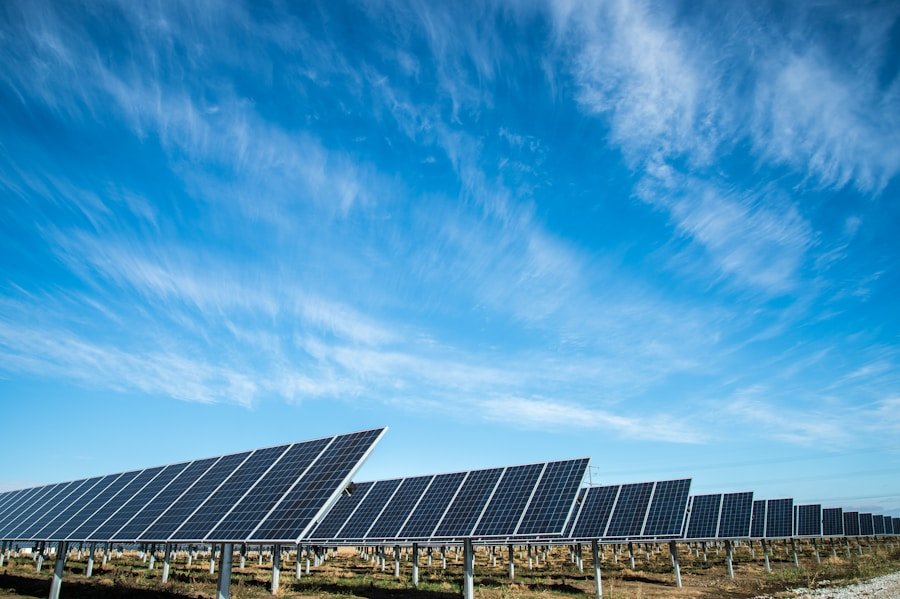
Implementing lean manufacturing principles can reduce waste, energy use, and cycle times. This involves process mapping, identifying inefficiencies, and implementing solutions such as improved machinery, automation, and employee training. Switching to cleaner energy sources, such as solar panels or purchasing renewable energy credits, can also significantly reduce a company’s carbon footprint. These operational adjustments streamline efficiency while minimizing ecological impact.
Engaging the Supply Chain
Sustainable manufacturing extends beyond your own factory walls. Collaborating with suppliers to ensure they adhere to ethical and environmental standards is crucial. This involves supplier audits, establishing clear sustainability requirements for procured materials, and fostering long-term partnerships with green suppliers. A sustainable supply chain acts as a strong, unbroken chain, linking responsible practices from source to consumer.
Challenges and Overcoming Them in Eco Manufacturing
| Benefits of Eco Manufacturing | Business | Environment |
|---|---|---|
| Cost Savings | Reduced operational costs | Conservation of resources |
| Brand Reputation | Enhanced brand image | Reduced carbon footprint |
| Regulatory Compliance | Meeting environmental regulations | Protection of ecosystems |
| Employee Engagement | Increased employee satisfaction | Promotion of sustainable practices |
While the benefits are substantial, businesses may encounter various challenges when adopting eco manufacturing practices. Recognizing these hurdles and devising strategies to overcome them is key to successful implementation.
Initial Investment Costs
Transitioning to green technologies and processes often requires upfront capital investment. This could include purchasing energy-efficient machinery, installing renewable energy systems, or investing in new waste management infrastructure. Businesses can address this by exploring government incentives, grants, and tax credits for sustainable initiatives. Long-term cost savings and increased competitiveness can also help justify the initial outlay. Think of it as planting a tree; the initial effort yields enduring shade and fruit.
Lack of Technical Expertise
Implementing complex eco manufacturing solutions may require specialized knowledge in areas such as life cycle assessment, green chemistry, or renewable energy systems. Businesses can overcome this by investing in employee training, hiring sustainability consultants, or collaborating with academic institutions and research organizations. Building internal competence is a long-term advantage.
Supply Chain Complexities
Securing a consistent supply of sustainable or recycled materials can be challenging, especially for niche industries or in regions with undeveloped green infrastructure. Businesses can mitigate this by working closely with suppliers to develop sustainable options, diversifying their supplier base, and exploring domestic sourcing to reduce transportation impacts. This requires active engagement and collaborative problem-solving.
Regulatory Ambiguity and Inconsistency
Different jurisdictions may have varying environmental regulations, creating complexities for businesses operating internationally. Staying informed about local and global regulatory landscapes is important. Engaging with industry associations and policymakers can also help shape future regulations and ensure consistency. Navigating this landscape requires vigilance and active participation.
Consumer Perception and Greenwashing Risks
While consumers prefer sustainable products, skepticism about “greenwashing” (misleading claims about environmental friendliness) exists. Businesses must ensure transparency and provide verifiable evidence of their environmental claims through certifications, clear labeling, and public reporting. Authenticity builds trust and reinforces a genuine commitment to sustainability. This transparency acts as a window into your practices, building confidence.
The Future of Business: A Green Trajectory
Eco manufacturing is not a passing trend but a fundamental shift in how businesses operate. As global environmental challenges intensify and consumer expectations evolve, the pressure on companies to adopt sustainable practices will only increase. Businesses that embrace eco manufacturing now are positioning themselves for future success, resilience, and leadership.
Circular Economy Integration
The concept of a circular economy, where resources are kept in use for as long as possible, is a natural evolution of eco manufacturing. This involves designing products for multiple lifecycles, establishing robust reverse logistics for product take-back, and developing business models based on leasing, repairing, and remanufacturing. This signifies a paradigm shift from linear resource consumption to a closed-loop system, where waste is minimized and value is maximized.
Advanced Materials and Technologies
Continued innovation in materials science and manufacturing technologies will further enhance eco manufacturing capabilities. This includes the development of biodegradable materials, self-healing materials, and additive manufacturing (3D printing) which can significantly reduce waste and resource consumption. Artificial intelligence and machine learning can also optimize production processes for greater energy and material efficiency. These advancements will serve as catalysts for further improvement.
Collaborative and Systemic Change
Addressing environmental challenges requires collective action. Businesses will increasingly collaborate with governments, NGOs, research institutions, and even competitors to develop industry-wide sustainable solutions. This includes sharing best practices, establishing common standards, and investing in shared infrastructure for recycling and renewable energy. This collaborative spirit forms a powerful current, propelling the entire system forward.
By actively engaging in eco manufacturing, your business contributes to a more sustainable planet while simultaneously securing a more prosperous and resilient future for itself. It’s a symbiotic relationship, where environmental responsibility and economic success are mutually reinforcing. Consider it an investment in both your legacy and the world around you.