The Product Development Journey
Product development, the process of bringing a new product or service to market, is a complex endeavor. It involves a systematic progression from an initial concept to a tangible prototype. This journey is often characterized by uncertainty, iteration, and problem-solving. Understanding the stages and challenges involved is crucial for anyone venturing into this domain. This article will outline the key phases of product development and discuss common hurdles encountered along the way.
Conception and Ideation
The genesis of any product lies in an idea. This initial spark can emanate from various sources: identifying a market gap, improving an existing solution, leveraging new technology, or responding to evolving consumer needs. During ideation, the goal is to generate a broad spectrum of possibilities without immediate judgment.
Problem Identification
Effective product development often begins with a clear understanding of a problem that needs solving. This involves researching target demographics, analyzing market trends, and identifying pain points experienced by potential users. A well-defined problem statement acts as a compass, guiding subsequent development efforts. Without a clearly articulated problem, the product risks being a solution in search of a problem.
Idea Generation Techniques
Various techniques facilitate idea generation. Brainstorming, mind mapping, and SCAMPER (Substitute, Combine, Adapt, Modify, Put to another use, Eliminate, Reverse) are common methods to stimulate creative thinking. These techniques encourage a divergent approach, fostering the creation of numerous potential solutions. The emphasis at this stage is on quantity, not necessarily quality, as refinement comes later.
Initial Vetting
Once a pool of ideas is generated, an initial vetting process commences. This involves a preliminary assessment of feasibility, market potential, and alignment with organizational goals. Ideas are evaluated against criteria such as technical viability, resource availability, and potential competitive advantages. This stage acts as a filter, allowing only the most promising concepts to proceed.
Market Research and Validation
With a refined concept, the next step is to validate its potential in the market. This phase is critical as it moves beyond internal assumptions to gather external evidence. Market research acts as the bedrock for informed decision-making, minimizing the risk of developing a product that no one wants or needs.
Understanding the Target Audience
Effective market research begins with a deep understanding of the intended users. This involves creating detailed user personas, which are semi-fictional representations of ideal customers, incorporating their demographics, behaviors, motivations, and pain points. Understanding who you are building for is paramount to creating a relevant and desirable product.
Competitor Analysis
A thorough analysis of existing competitors is essential. This involves identifying direct and indirect competitors, evaluating their products, pricing strategies, market positioning, and customer feedback. Understanding the competitive landscape helps identify opportunities for differentiation and areas where your product can offer superior value. It’s not about imitation, but about understanding the playing field.
Market Sizing and Trends
Quantifying the potential market for your product provides a realistic estimate of its commercial viability. This involves researching the total addressable market, serviceable available market, and serviceable obtainable market. Additionally, staying abreast of relevant industry trends and technological advancements helps anticipate future demand and potential disruptions. A shrinking market or an unresponsive one can render even a brilliant idea commercially unviable.
Concept Testing
Once initial market research is complete, specific concepts are tested with potential users. This can involve surveys, focus groups, or one-on-one interviews, seeking feedback on product features, benefits, and overall appeal. The goal is to gauge initial reactions and identify areas for improvement before significant resources are committed to development. This feedback loop is invaluable for refining the product concept.
Design and Development
With a validated concept, the focus shifts to the tangible creation of the product. This phase bridges the gap between abstract ideas and a functional representation. It’s where theoretical constructs begin to take physical or digital form. This stage is often iterative, involving multiple cycles of design, build, and test.
User Experience (UX) and User Interface (UI) Design
For digital products, UX and UI design are paramount. UX design focuses on the overall experience of the user – how easy it is to use, how intuitive it feels, and how effectively it addresses user needs. UI design focuses on the visual aspects and interactivity of the product. These two disciplines work in concert to create a product that is not only functional but also enjoyable to use.
Wireframing and Prototyping
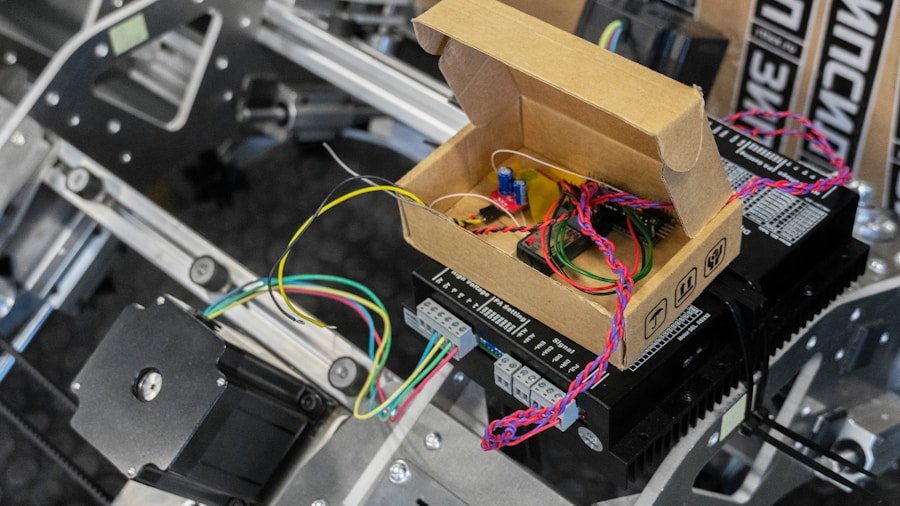
Wireframes are skeletal blueprints of a product’s interface, outlining its structure and functional elements without aesthetic details. Prototypes, on the other hand, are interactive mock-ups that simulate the final product’s functionality and user flow. They allow for early testing and feedback, enabling designers to identify and rectify usability issues before extensive coding or manufacturing. This is the stage where the blueprint starts to take shape as a preliminary model. Designers might create low-fidelity prototypes quickly to test core interactions, then progress to high-fidelity versions simulating the final look and feel.
Technical Architecture and Specifications
For any product, establishing the technical architecture is crucial. This involves defining the underlying technologies, programming languages, databases, and infrastructure that will support the product. Detailed technical specifications provide a roadmap for developers, ensuring consistent implementation and scalability. A well-designed architecture is like a strong foundation for a building; it ensures stability and allows for future expansion.
Minimum Viable Product (MVP) Development
Instead of building a fully featured product from the outset, an MVP is developed. An MVP is a version of a new product with just enough features to satisfy early customers and provide feedback for future product development. It represents the smallest possible product that delivers core value. The MVP strategy allows for rapid deployment, real-world user feedback, and iterative improvement, reducing the risk of building unwanted features. Think of it as a scout, sent ahead to explore the terrain before the main force commits.
Testing and Iteration
Once an MVP or a more complete prototype is developed, rigorous testing is essential. This phase aims to identify defects, validate functionality, and gather user feedback for further refinement. Think of testing as holding the product under a magnifying glass, actively looking for flaws and opportunities for improvement.
Functional Testing
Functional testing verifies that each feature of the product operates as intended. This includes unit testing, integration testing, and system testing. Unit tests check individual components, integration tests ensure components work together, and system tests validate the product as a whole. This ensures the gears and cogs of your machine are all turning smoothly.
User Acceptance Testing (UAT)
UAT involves real users testing the product in a real-world environment. Their feedback provides invaluable insights into usability, intuitiveness, and whether the product truly solves their problems. UAT helps bridge the gap between developer assumptions and actual user needs, often uncovering issues that internal testing might miss. This is the final exam before the product graduates into the market.
Performance and Security Testing
Beyond functionality, product performance and security are critical. Performance testing assesses the product’s responsiveness, scalability, and stability under various loads. Security testing identifies vulnerabilities that could be exploited, protecting user data and maintaining product integrity. Neglecting these aspects can lead to user frustration, data breaches, and reputational damage. A high-performance, secure product inspires confidence and loyalty.
Iterative Refinement
The insights gained from all forms of testing are then used to refine the product. This iterative process involves making necessary adjustments, adding new features, or redesigning problematic areas. Product development is rarely a linear path; it’s a cycle of build, test, learn, and refine. Each iteration brings the product closer to its optimal form.
Launch and Post-Launch Management
| Stage | Challenges | Solutions |
|---|---|---|
| Idea Generation | Lack of clarity on target market | Conduct market research to identify target audience |
| Conceptualization | Uncertainty about product features | Create prototypes for user testing and feedback |
| Design | Difficulty in translating ideas into technical specifications | Collaborate with designers and engineers to create detailed plans |
| Prototyping | Cost and time constraints | Utilize rapid prototyping techniques and prioritize features |
| Testing | Identifying and fixing design flaws | Conduct thorough testing and iterate on design based on feedback |
The culmination of the product development journey is the launch. However, the work does not end there. Post-launch activities are crucial for continued product success and sustained market relevance. The launch is merely the beginning of the product’s life cycle.
Marketing and Rollout Strategy
A well-defined marketing and rollout strategy is essential for a successful launch. This involves identifying appropriate marketing channels, crafting compelling messaging, and planning the grand unveiling. The strategy needs to align with the target audience and clearly communicate the product’s value proposition. A brilliant product can languish unknown without effective communication of its existence and benefits.
Pricing and Distribution
Determining the optimal pricing strategy requires careful consideration of production costs, market demand, competitor pricing, and perceived value. Similarly, establishing effective distribution channels ensures the product reaches its intended customers efficiently. These decisions directly impact profitability and market penetration.
Customer Support and Onboarding
Providing robust customer support and a seamless onboarding experience is vital for user adoption and retention. Clear documentation, tutorials, and accessible support channels help users navigate the product and resolve any challenges they encounter. A positive initial experience sets the stage for long-term engagement.
Post-Launch Monitoring and Feedback
After launch, continuous monitoring of product performance and user feedback is essential. This involves tracking key metrics, analyzing user behavior, and actively soliciting feedback through various channels. Data-driven insights inform future product updates and improvements. The market is a dynamic entity, and a product must adapt.
Product Roadmapping and Future Development
The product roadmap outlines the strategic plan for the product’s evolution, incorporating new features, enhancements, and addressing user feedback. Product development is an ongoing process, responding to market changes and technological advancements to maintain competitiveness and relevance. The prototype that started this journey will continue to evolve, responding to the ever-changing landscape of user needs and technological possibilities.