
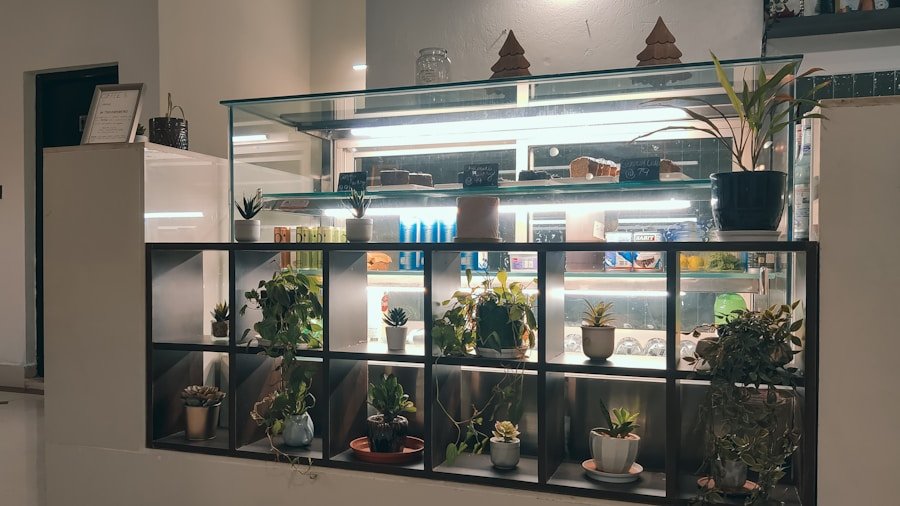
Sustainability in retail design addresses environmental, social, and economic impacts throughout a store’s lifecycle. It moves beyond superficial changes to encompass a holistic approach, influencing material selection, energy consumption, waste management, and the overall customer experience. This article examines contemporary examples of sustainable retail layouts, highlighting principles and their practical application.
The Foundations of Sustainable Retail Design
Sustainable retail design is inherently multidisciplinary. It integrates architectural principles, resource management, and understanding of consumer behavior. The objective is to create spaces that are environmentally responsible, economically viable, and socially beneficial.
Material Selection and Sourcing
The choice of materials is a primary consideration in sustainable retail. This involves assessing the embodied energy of materials, their lifecycle impacts, and their recyclability.
- Recycled and Reused Materials: Utilizing materials with a high recycled content reduces demand for virgin resources and diverts waste from landfills. Examples include flooring made from recycled rubber, countertops from reclaimed wood, or fixtures fabricated from repurposed industrial components. Some retailers actively integrate salvaged architectural elements, providing a unique aesthetic while minimizing new production. This approach also shortens supply chains, often sourcing materials locally.
- Rapidly Renewable Resources: Materials such as bamboo, cork, and linoleum regenerate quickly, making them sustainable alternatives to traditional timber or synthetic options. Their cultivation often requires less water and fewer pesticides compared to conventional crops.
- Non-Toxic and Low-VOC Materials: Volatile Organic Compounds (VOCs) found in paints, adhesives, and finishes can degrade indoor air quality, posing health risks to staff and customers. Specifying low- or zero-VOC products is crucial for creating a healthy retail environment. Certification programs like Green Seal or Cradle to Cradle provide benchmarks for material safety and sustainability.
Energy Efficiency and Management
Energy consumption is a significant operational cost and environmental impact for retailers. Sustainable layouts prioritize passive design strategies and efficient technologies.
- Optimized Natural Lighting: Maximizing daylight penetration through strategically placed windows, skylights, and light shelves reduces reliance on artificial lighting. This also enhances the store’s ambiance and can positively affect mood. Retailers often employ daylight harvesting systems that automatically dim electric lights when sufficient natural light is available.
- High-Efficiency LED Lighting: When artificial lighting is necessary, LEDs offer substantial energy savings compared to incandescent or fluorescent alternatives. They also have a longer lifespan, reducing maintenance and replacement costs. Intelligent lighting controls, including motion sensors and zone-based dimming, further optimize energy use.
- HVAC Systems and Building Envelope: Efficient heating, ventilation, and air conditioning (HVAC) systems are paramount. This is complemented by a well-insulated building envelope (walls, roof, windows) that minimizes thermal transfer, reducing the energy needed for climate control. Geothermal heating and cooling systems are also being adopted by some larger retailers for their long-term efficiency benefits.
Operationalizing Sustainability: Waste Reduction and Water Conservation
Beyond initial construction, sustained operational practices are vital for a truly sustainable retail environment. Waste management and water conservation represent ongoing commitments.
Waste Stream Management
A successful sustainable retail operation views waste as a resource. This concept moves beyond simple recycling to encompass reduction and reuse.
- Minimizing Packaging Waste: Retailers are increasingly working with suppliers to reduce product packaging, opting for recyclable, compostable, or reusable materials. In-store, bulk product dispensers or reusable bags are encouraged. The “bring your own container” movement is gaining traction in certain sectors.
- In-Store Recycling and Composting Programs: Providing clearly labeled bins for various waste streams (paper, plastics, glass, compostables) for both customers and staff facilitates responsible disposal. Collaboration with local waste management facilities is essential to ensure that collected materials are genuinely recycled or composted.
- Waste-to-Energy and Upcycling Initiatives: Some retailers explore options for converting non-recyclable waste into energy. Others engage in upcycling programs, transforming waste materials into new products or store fixtures, closing the loop on material use. This strategy can also serve as a unique marketing point.
Water Conservation Strategies
Water is a finite resource, and its responsible use in retail operations is becoming increasingly important.
- Low-Flow Fixtures: Installing low-flow toilets, urinals, and faucets significantly reduces water consumption in restrooms and break areas. Sensor-activated fixtures can also prevent water waste.
- Efficient Landscaping and Irrigation: For stores with outdoor areas, xeriscaping (landscaping with drought-tolerant plants) and efficient irrigation systems (e.g., drip irrigation connected to a rain sensor) minimize water usage. Rainwater harvesting for irrigation or non-potable uses is also practiced.
- Water Recycling and Reuse: Advanced retail designs may incorporate greywater recycling systems, where water from sinks and showers is treated and reused for toilet flushing or irrigation. This is more common in new builds or major renovations due to infrastructure requirements.
Case Studies in Sustainable Retail Layouts
Examining direct applications of these principles provides practical insight. The following examples represent varied approaches to sustainable retail design.
Patagonia: A Beacon of Environmental Responsibility
Patagonia, an outdoor clothing and gear company, has long integrated environmental stewardship into its business model and store design.
- Circular Economy Focus: Their Worn Wear program encourages customers to repair, reuse, and recycle their garments. Stores often include repair stations, extending product lifecycles and reducing consumption. The store layout facilitates the collection of old garments for repair or recycling.
- Durable and Recycled Materials: Patagonia stores commonly feature reclaimed wood, recycled steel, and durable finishes designed to withstand heavy traffic and minimize the need for replacement. This commitment is visible in their fixtures and architectural elements.
- Energy-Efficient Operations: Their stores often incorporate natural lighting, LED fixtures, and efficient HVAC systems. Many stores are located in buildings chosen specifically for their potential for energy efficiency upgrades, rather than constructing new builds on virgin land.
Lush Cosmetics: Ethical Sourcing and Minimalist Design
Lush Cosmetics emphasizes ethical sourcing, handcrafted products, and a commitment to reducing packaging. Their store layouts reflect these values.
- Naked Packaging Concept: A significant portion of Lush’s products are sold “naked” (without packaging). The store layout often features prominent displays for these unpackaged items, alongside sinks for product demonstrations, directly engaging customers with the concept of waste reduction.
- Reusable and Recycled containers: For products that require packaging, Lush utilizes black pots made from 100% post-consumer recycled plastic, which they then take back for recycling through their “5 Pot Program,” creating a closed-loop system. Display shelving often features rough-hewn, salvaged timber.
- Fresh and Natural Aesthetic: The stores typically feature bright, open spaces with simple, natural materials, reinforcing the fresh and natural essence of their products. This minimalist approach reduces the need for elaborate and resource-intensive fixtures.
The Future of Sustainable Retail: Integration and Innovation
The trajectory of sustainable retail is toward deeper integration of technology and a more comprehensive view of social and economic impacts.
Smart Building Technologies
The integration of advanced technologies will further optimize resource use.
- IoT and Sensor Networks: Internet of Things (IoT) devices and sensor networks can monitor and control lighting, temperature, and ventilation in real-time, adapting to store occupancy and external conditions. This granular control allows for precise energy management.
- Predictive Analytics for Inventory: Using data analytics to optimize inventory levels minimizes overstocking, reducing waste from unsold goods and the energy associated with storage and transportation. This also improves supply chain efficiency.
Social and Economic Sustainability
Beyond environmental metrics, sustainable retail is increasingly encompassing broader considerations.
- Ethical Labor Practices and Supply Chains: Transparency in supply chains, ensuring fair wages and safe working conditions for all involved in product creation and delivery, is a cornerstone of social sustainability. Stores can prominently display information about their suppliers.
- Community Engagement and Local Sourcing: Engaging with local communities, sourcing products or materials locally, and supporting local economies strengthens social ties and reduces transportation-related environmental impacts. Retail spaces can also double as community hubs for workshops or events.
- Accessibility and Inclusivity: Designing retail layouts that are accessible to all individuals, regardless of physical ability, reflects a commitment to social equity. This includes clear pathways, appropriate fixture heights, and accessible facilities.
Challenges and Opportunities in Implementation
| Store Name | Location | Sustainability Features | Energy Efficiency Rating |
|---|---|---|---|
| Green Haven | New York City | Solar panels, LED lighting, recycled materials | 4.5 stars |
| EcoMart | San Francisco | Green roof, rainwater harvesting, energy-efficient HVAC | 4 stars |
| Earthly Delights | Portland | Bamboo flooring, natural light optimization, composting program | 4.2 stars |
Implementing sustainable retail layouts is not without obstacles, but these also present opportunities for innovation and differentiation.
Economic Viability
Initial investment costs for sustainable materials and technologies can be higher than conventional alternatives. However, long-term operational savings often offset these upfront expenses.
- Lifecycle Cost Analysis: Retailers increasingly use lifecycle cost analysis to evaluate investments. This method considers the total cost of ownership over the lifespan of a material or system, including acquisition, installation, operation, maintenance, and disposal, rather than just the initial purchase price. This often reveals the economic benefits of sustainable choices.
- Incentives and Subsidies: Government incentives, tax breaks, and grants for green building practices can help reduce the financial burden of sustainable upgrades. Organizations like the US Green Building Council provide guidance on such opportunities.
Consumer Education and Engagement
Consumers are increasingly aware of sustainability, but effective communication of a store’s sustainable practices is essential.
- Transparency and Storytelling: Retailers can use in-store signage, digital displays, and staff training to educate customers about the sustainable features of the store and the products. This can foster trust and loyalty. Storytelling about product origins and material lifecycles engages customers on a deeper level.
- Experiential Education: Interactive displays, workshops on repair or upcycling, or clear demonstrations of sustainable practices (e.g., a visible composting system) can provide tangible educational experiences that resonate with customers.
Conclusion
Sustainable retail layouts are not merely an aesthetic choice; they are a strategic imperative. By thoughtfully integrating sustainable materials, optimized energy management, robust waste reduction programs, and water conservation strategies, retailers can create environments that are both commercially successful and environmentally responsible. The journey from concept to reality in sustainable retail is one of continuous improvement, driven by innovation and a steadfast commitment to planetary stewardship. As consumer awareness grows and technological advancements accelerate, these practices will become the standard, rather than the exception, shaping the physical blueprint of commerce for future generations.