
Green investment, also known as sustainable or impact investing, directs capital towards companies and projects that contribute to environmental sustainability. This approach seeks to generate financial returns while simultaneously addressing pressing ecological challenges. Recognizing its growing importance, the financial sector has expanded its offerings in this domain. This article outlines 20 such opportunities, categorized by their primary environmental impact, allowing you to consider where your capital might best foster both fiscal and ecological health.
Renewable Energy Production and Infrastructure
Investing in renewable energy is a foundational pillar of green finance. These technologies harness natural resources, reducing reliance on fossil fuels and their associated emissions.
Solar Power Development
Solar photovoltaic (PV) technology converts sunlight directly into electricity. Investment opportunities exist in various stages of the solar value chain.
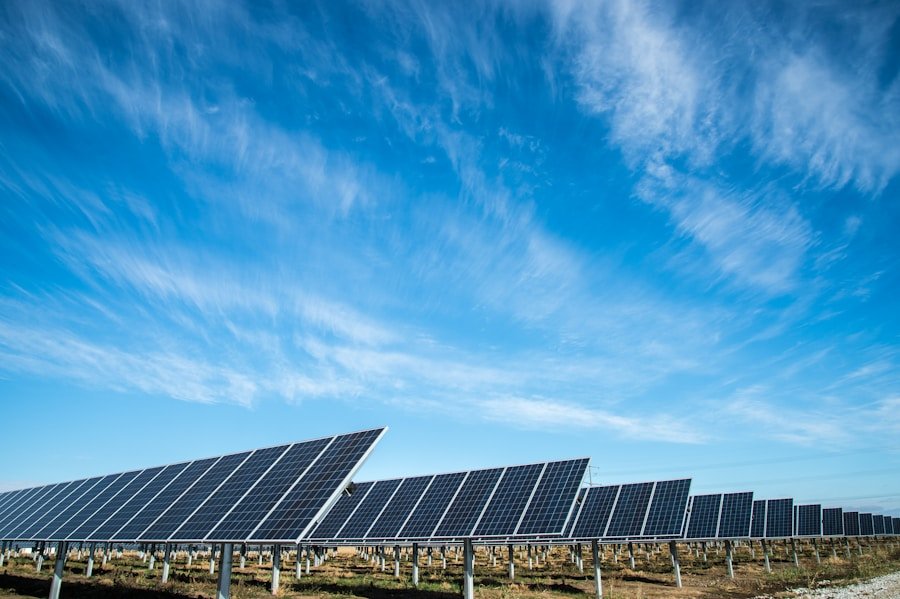
- Utility-scale Solar Farms: Large-scale installations that feed electricity directly into national grids. These projects often require substantial capital but offer economies of scale.
- Distributed Solar Generation (Rooftop PV): Smaller systems installed on residential, commercial, or industrial rooftops. Investment can be made through companies that lease, install, or maintain these systems, or through investment funds specializing in distributed energy assets.
- Solar Manufacturing: Companies that produce solar panels, inverters, and other essential components. This segment is subject to technological advancements and supply chain dynamics.
Wind Power Development
Wind energy utilizes turbines to convert kinetic energy from wind into electricity. This sector has seen significant growth, particularly with larger, more efficient turbines.
- Onshore Wind Farms: Terrestrial installations, often in rural or open areas with consistent wind patterns. Project development, operation, and maintenance companies present investment avenues.
- Offshore Wind Farms: Located in coastal waters, these larger installations often benefit from stronger, more consistent winds. They typically involve higher initial capital expenditure and specialized engineering.
- Wind Turbine Manufacturing: Producers of turbine components, blades, and entire systems. This segment is driven by innovation in materials science and aerodynamics.
Geothermal Energy
Geothermal power taps into the Earth’s internal heat to generate electricity. While geographically constrained, it offers a consistent, baseload power source.
- Geothermal Power Plants: Projects that extract heated water or steam from underground reservoirs. High upfront exploration and drilling costs are characteristic, but long operational lifespans are a benefit.
- Direct-Use Geothermal Systems: Applications for heating buildings, greenhouses, or industrial processes. These are often smaller-scale and more localized.
Hydropower Modernization
While large new hydroelectric dams can raise environmental concerns, investments in upgrading existing facilities can improve efficiency and reduce environmental impact.
- Turbine Upgrades: Replacing older turbines with more efficient models can increase power output without requiring new construction.
- Pumped-Hydro Storage: Projects that use excess electricity to pump water uphill, releasing it to generate power when demand is high. This acts as a large-scale energy storage solution.
Sustainable Infrastructure and Circular Economy
Beyond energy production, resilient infrastructure and systems that minimize waste are crucial for environmental health. This category focuses on building better, smarter, and with less impact.
Green Building Development
Green buildings are designed, constructed, and operated to minimize their environmental footprint. They often prioritize energy efficiency, water conservation, and sustainable materials.
- LEED and BREEAM Certified Projects: Investments in commercial or residential properties that meet recognized green building standards. These standards often lead to lower operating costs and higher property values.
- Sustainable Materials Manufacturing: Companies producing low-carbon concrete, recycled steel, insulation made from renewable resources, and other environmentally friendly building components.
- Retrofitting Existing Buildings: Upgrading older structures with energy-efficient windows, improved insulation, and smart control systems. This segment offers significant potential for emissions reduction in developed economies.
Waste-to-Energy and Recycling Technologies
Addressing waste generation is critical. Investments in technologies that convert waste into usable energy or materials reduce landfill dependence and conserve resources.
- Advanced Recycling Facilities: Projects utilizing chemical or advanced mechanical processes to recycle materials that are traditionally difficult to handle, such as mixed plastics or e-waste.
- Anaerobic Digestion Plants: Facilities that break down organic waste (e.g., food waste, agricultural waste) in the absence of oxygen to produce biogas, a renewable energy source.
- Waste-to-Energy Incineration with Carbon Capture: Modern incineration plants that generate electricity from waste, coupled with technologies to capture CO2 emissions. This is a contentious area but can be effective with stringent controls.
Water Infrastructure and Management
Access to clean water is a fundamental human right and a pressing environmental challenge. Investments in water infrastructure are vital for resilience and public health.
- Wastewater Treatment Systems: Companies developing or operating advanced purification technologies to treat domestic and industrial wastewater.
- Desalination Plants (Renewable Powered): Facilities that remove salt from seawater to produce fresh water, particularly impactful when powered by renewable energy sources to mitigate their energy intensity.
- Smart Water Grids: Technologies that monitor water usage, detect leaks, and optimize distribution, reducing water loss and improving efficiency.
Biodiversity and Ecosystem Restoration
Protecting and restoring natural habitats is essential for maintaining ecological balance and providing vital ecosystem services. These investments can combat deforestation, land degradation, and species loss.
Sustainable Forestry and Reforestation
Forests are carbon sinks and biodiversity hotspots. Investing in their health and expansion is a direct way to combat climate change and protect ecosystems.
- Certified Sustainable Forestry Operations: Companies that manage forests according to strict environmental and social standards, ensuring long-term ecological and economic viability.
- Large-scale Reforestation Projects: Investments in initiatives that plant new trees on degraded land. These projects can be complex, requiring careful selection of native species and long-term management.
- Carbon Sequestration through Afforestation: Projects specifically designed to absorb atmospheric carbon dioxide by establishing new forests, often generating carbon credits as a revenue stream.
Regenerative Agriculture
This approach focuses on improving soil health, biodiversity, and ecosystem services through farming practices. It aims to sequester carbon in the soil and reduce agricultural runoff.
- Companies Developing Biologically Based Fertilizers: Businesses creating alternatives to synthetic fertilizers, which can contribute to nutrient pollution.
- Technology for Precision Agriculture: Investments in tools like drones, sensors, and AI that optimize resource use (water, nutrients) in farming and reduce environmental impact.
- Farms Implementing Regenerative Practices: Direct investment in agricultural operations that use cover cropping, no-till farming, crop rotation, and holistic grazing.
Marine and Coastal Conservation
Oceans and coastlines are critical ecosystems facing threats from pollution, overfishing, and climate change. Investments here protect marine life and coastal communities.
- Sustainable Aquaculture: Farms that raise aquatic organisms in an environmentally responsible manner, reducing pressure on wild fish stocks. This includes closed-loop systems and responsible feed sourcing.
- Coastal Restoration Projects: Initiatives that restore mangroves, coral reefs, and salt marshes, which act as natural buffers against storms and provide habitats for diverse species.
- Ocean Cleanup Technologies: Companies developing and deploying innovative solutions to remove plastic and other pollutants from marine environments.
Green Technology and Innovation
Technological advancements are crucial drivers of environmental solutions. This category focuses on developing the next generation of tools and systems for a sustainable future.
Electric Vehicle and Charging Infrastructure
Electrifying transportation is a key strategy for reducing greenhouse gas emissions and improving air quality.
- Electric Vehicle (EV) Manufacturers: Companies producing electric cars, trucks, buses, and other forms of electric transportation.
- EV Charging Network Development: Building and operating public and private charging stations, which are essential for EV adoption.
- Battery Technology Innovation: Research and development into more efficient, longer-lasting, and sustainably sourced batteries for EVs and energy storage.
Carbon Capture, Utilization, and Storage (CCUS)
CCUS technologies aim to prevent CO2 emissions from entering the atmosphere or to remove existing CO2.
- Point-Source Carbon Capture: Investments in technologies that capture CO2 directly from industrial emissions (e.g., power plants, cement factories).
- Direct Air Capture (DAC): Companies developing systems that extract CO2 directly from ambient air. This is a nascent but potentially transformative technology.
- Carbon Utilization Technologies: Innovations that convert captured CO2 into useful products like building materials, fuels, or chemicals.
Energy Storage Solutions
Intermittency is a challenge for some renewable energy sources. Advanced energy storage is vital for grid stability and reliability.
- Grid-Scale Battery Storage: Large battery installations designed to store excess renewable energy and release it during periods of high demand.
- Next-Generation Battery Technologies: Investments in alternatives to traditional lithium-ion batteries, such as solid-state batteries, flow batteries, or sodium-ion batteries, which may offer improved performance or reduced resource intensity.
- Thermal Energy Storage: Technologies that store heat or cold for later use, often in industrial processes or building climate control.
Smart Grid Technologies
Modernizing electricity grids with digital technology enhances efficiency, reliability, and the integration of renewable energy.
- Grid Modernization Projects: Investments in digital sensors, smart meters, and advanced control systems that optimize electricity distribution.
- Demand-Side Management Software: Companies developing platforms that allow consumers and businesses to respond to grid signals, shifting energy usage to off-peak hours.
- Artificial Intelligence for Grid Optimization: Solutions that use AI to forecast demand, manage renewable energy variability, and prevent outages.
Sustainable Finance Mechanisms
| Investment Opportunity | Environmental Impact |
|---|---|
| Solar Energy | Reduces reliance on fossil fuels and decreases carbon emissions |
| Wind Energy | Produces clean, renewable energy without greenhouse gas emissions |
| Energy-Efficient Buildings | Reduces energy consumption and carbon footprint |
| Electric Vehicles | Reduces air pollution and dependence on fossil fuels |
| Green Infrastructure | Improves water and air quality, reduces urban heat island effect |
| Waste Management | Reduces landfill waste and promotes recycling and composting |
| Smart Grid Technology | Improves energy efficiency and integrates renewable energy sources |
| Water Conservation | Preserves freshwater resources and reduces water usage |
| Sustainable Agriculture | Reduces chemical use, soil erosion, and promotes biodiversity |
| Green Bonds | Finances environmentally friendly projects and initiatives |
| Renewable Energy Storage | Enables better integration of intermittent renewable energy sources |
| Energy-Efficient Appliances | Reduces energy consumption and greenhouse gas emissions |
| Public Transportation | Reduces traffic congestion and air pollution |
| Carbon Capture and Storage | Reduces carbon emissions from industrial processes |
| Green Real Estate Development | Promotes sustainable building practices and reduces environmental impact |
| Forest Conservation | Preserves biodiversity, mitigates climate change, and protects ecosystems |
| Renewable Energy Infrastructure | Expands access to clean, renewable energy sources |
| Environmental Education | Raises awareness and promotes sustainable practices |
| Green Technology Innovation | Develops new solutions for environmental challenges |
The way capital is channeled into green investments also represents opportunities for innovation and impact.
Green Bonds and Funds
These financial instruments are specifically designed to fund environmentally beneficial projects. They provide a transparent way for investors to directly support green initiatives.
- Issuance of Green Bonds: Investing in bonds where the proceeds are exclusively used to finance or refinance eligible green projects.
- Green Mutual Funds and ETFs: Funds that invest in a portfolio of companies or projects focused on environmental sustainability, offering diversification.
Impact Investment Funds
These funds prioritize measurable social and environmental impact alongside financial returns.
- Venture Capital for Green Startups: Funds that provide early-stage capital to innovative companies developing new green technologies or business models.
- Private Equity for Sustainable Businesses: Investments in established companies with strong environmental performance or a primary focus on sustainability.
Blended Finance Initiatives
These schemes combine public, private, and philanthropic capital to mobilize funding for projects that might otherwise be deemed too risky solely by private investors.
- Public-Private Partnerships for Green Infrastructure: Collaboration between government and private entities to develop and operate large-scale green projects.
- Development Finance Institutions (DFIs) Green Portfolios: Investing alongside DFIs in projects in emerging markets that address environmental challenges and promote sustainable development.
Conclusion
The landscape of green investment is expansive and evolving. As a potential investor, you now have a clearer understanding of the diverse avenues through which capital can be deployed to foster environmental sustainability. Each opportunity presents its own set of risks and rewards, requiring due diligence and an understanding of market dynamics. By strategically allocating resources to these areas, you contribute not only to financial growth but also to the preservation and restoration of our natural world, laying the groundwork for a more resilient future.