Green manufacturing represents a paradigm shift within industrial production, prioritizing environmental sustainability and resource efficiency. This article details fifteen advanced techniques that are shaping this evolving landscape. These methods aim to mitigate the ecological footprint of manufacturing processes, reduce waste, and conserve resources, thereby contributing to a more sustainable global economy. The adoption of these techniques is driven by factors including regulatory pressures, consumer demand for eco-friendly products, and the long-term economic benefits associated with reduced resource consumption and waste management costs.
Sustainable Material Selection
The foundation of green manufacturing often begins with the choice of materials. Conventional manufacturing frequently relies on virgin, non-renewable resources, with significant environmental impacts from extraction to processing. Shifting towards sustainable materials is a critical step in reducing this burden.
Renewable Resources
Utilizing materials derived from naturally replenishing sources is a core principle. This includes bio-based polymers, which are plastics made from renewable biomass like corn starch or sugarcane, as opposed to petrochemicals. Wood and bamboo, when sourced from sustainably managed forests, also fall into this category. The cyclical nature of these materials reduces depletion of finite resources.
Recycled Content Integration
Incorporating recycled materials into new products significantly reduces the demand for virgin resources and diverts waste from landfills. This practice is evident in industries ranging from packaging to automotive. For instance, manufacturers now routinely use recycled steel, aluminum, and plastics. This is not simply about using post-consumer waste; it also encompasses post-industrial waste, minimizing internal process waste.
Biodegradable and Compostable Materials
For certain applications, materials designed to decompose naturally at the end of their lifecycle are gaining traction. Biodegradable plastics, for example, can break down into natural elements in specific environments, reducing persistent environmental pollution. Compostable materials go a step further, breaking down into nutrient-rich compost, offering a closed-loop solution for organic waste streams.
Energy Efficiency Optimization
Energy consumption is a significant contributor to manufacturing’s environmental impact, primarily through greenhouse gas emissions. Optimizing energy use is therefore a central tenet of green manufacturing.
Process Heat Recovery
Many industrial processes generate substantial amounts of waste heat. Capturing and reusing this heat, rather than allowing it to dissipate, can lead to substantial energy savings. This can involve technologies like heat exchangers, which transfer thermal energy from a hot fluid to a colder one, or co-generation systems that produce both electricity and useful heat simultaneously. It is akin to using the warmth from your oven to heat your kitchen, rather than letting it escape.
LED Lighting Throughout Facilities
Replacing traditional incandescent or fluorescent lighting with Light Emitting Diode (LED) technology offers immediate and measurable energy reductions. LEDs consume less electricity for the same light output, have a longer lifespan, and contain no mercury, making them a more environmentally sound choice for factory floors and offices alike.
Smart Manufacturing and Automation
The integration of advanced automation, sensors, and data analytics—often referred to as Industry 4.0—allows for the precise control and monitoring of manufacturing processes. This enables real-time adjustments to optimize energy consumption, minimize downtime, and reduce material waste. Predictive maintenance, for example, can prevent equipment failures that lead to inefficient operation or scrapped production batches.
Waste Reduction Strategies
Waste generation is an inherent part of most manufacturing processes. Green manufacturing techniques focus on minimizing waste at every stage, from design to end-of-life.
Lean Manufacturing Principles
Originating in the automotive industry, lean manufacturing aims to eliminate all forms of waste (Muda) in production systems. This includes overproduction, waiting time, unnecessary transport, over-processing, excess inventory, unnecessary motion, and defects. By streamlining processes, lean manufacturing not only reduces waste but also improves efficiency and product quality. It’s about stripping away the non-essential, leaving only what adds value.
Additive Manufacturing (3D Printing)
Unlike subtractive manufacturing, where material is removed from a larger block to create a component, additive manufacturing builds objects layer by layer, directly from a digital design. This significantly reduces material waste, particularly for complex geometries. The precision of 3D printing also allows for lighter, more optimized designs, which can further reduce material consumption during product use.
Closed-Loop Systems
Closed-loop manufacturing aims to reclaim and reuse materials and products at the end of their lifecycle, eliminating waste and the need for new raw materials. This can involve designing products for disassembly, facilitating repair and remanufacturing, and creating systems where waste from one process becomes a valuable input for another. It envisions a circle, not a linear path, for resources.
Water Conservation Techniques
Water is a finite resource under increasing pressure. Industrial processes often consume large volumes of water, and green manufacturing seeks to minimize this footprint.
Water Recycling and Reuse
Many manufacturing operations use water for cooling, washing, or as a solvent. Implementing systems that filter and reuse this water within the facility can drastically cut down on fresh water intake. Advanced filtration technologies, like membrane bioreactors, enable the purification of wastewater to a standard suitable for various industrial applications.
Rainwater Harvesting
Collecting and storing rainwater for non-potable uses, such as industrial cooling, irrigation, or toilet flushing, can reduce reliance on municipal water supplies. This technique is particularly beneficial in regions with predictable rainfall patterns, offering a sustainable and cost-effective water source.
Pollution Prevention and Control
| Technique | Benefits | Implementation Cost | Energy Savings |
|---|---|---|---|
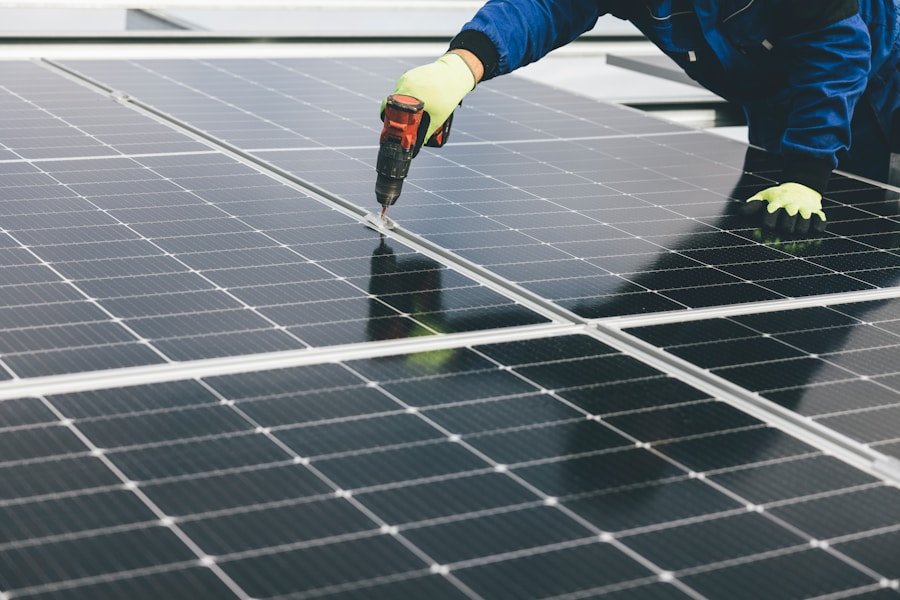
| 1. Solar Panels | Reduced electricity costs, lower carbon footprint | Medium | 20-30% |
| 2. LED Lighting | Energy efficiency, longer lifespan | Low | 50-75% |
| 3. Water Recycling | Conservation of water resources | High | Up to 90% |
| 4. Green Roofs | Improved insulation, reduced urban heat island effect | High | Varies |
| 5. 3D Printing | Reduced material waste, customized designs | High | Varies |
Minimizing the release of pollutants into the environment is a primary goal of green manufacturing. This encompasses emissions to air, water, and soil.
Solvent-Free Processes
Traditional manufacturing often relies on volatile organic compounds (VOCs) as solvents, which contribute to air pollution and can be hazardous to human health. Green manufacturing explores alternative processes that eliminate or significantly reduce the need for such solvents. Examples include using water-based paints, powder coatings, or supercritical carbon dioxide as a solvent substitute.
Advanced Filtration and Emission Control
Where pollutant generation cannot be entirely eliminated, advanced technologies are employed to capture and neutralize harmful emissions before they are released. This includes catalytic converters for reducing vehicle emissions, electrostatic precipitators for removing particulate matter from industrial exhaust, and biological filters for treating wastewater. These technologies act as a final gatekeeper, ensuring environmental protection.
Life Cycle Assessment (LCA)
LCA is a comprehensive methodology for evaluating the environmental impacts associated with all stages of a product’s life, from raw material extraction through material processing, manufacture, distribution, use, repair and maintenance, and disposal or recycling. By providing a holistic view, LCA helps manufacturers identify environmental hotspots and make informed decisions about material selection, process design, and end-of-life strategies. It is a diagnostic tool, revealing the true environmental cost.
These fifteen techniques are not isolated practices but often work in concert, creating synergistic benefits. The adoption of green manufacturing is an ongoing journey of continuous improvement, driven by innovation, technological advancements, and a growing recognition of the imperative for sustainable industrial practices. For any enterprise, understanding and implementing these techniques is no longer merely an option but increasingly a strategic necessity for long-term viability and responsible corporate citizenship.