
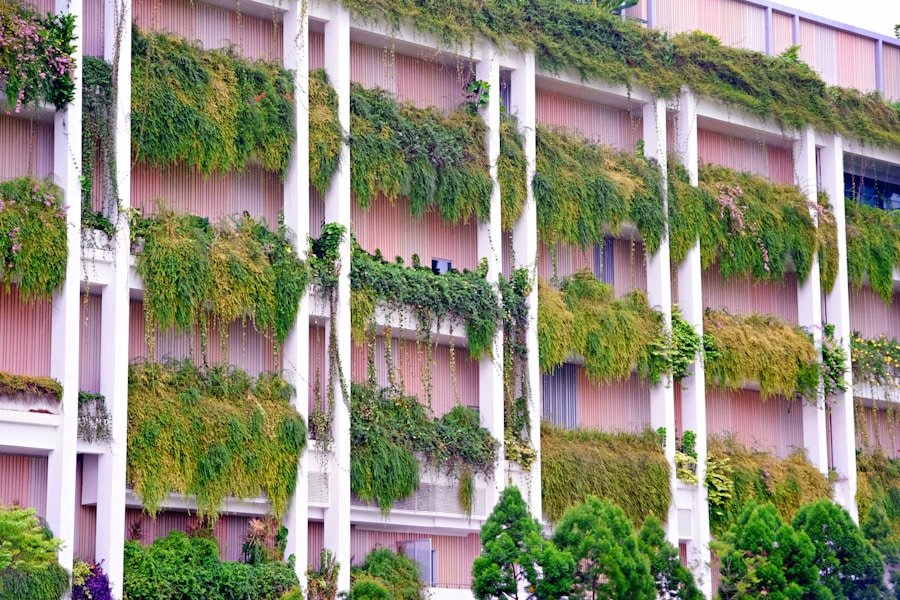
Traveling can be a significant contributor to environmental impact. However, a growing sector within the hospitality industry is actively working to mitigate these effects. This article explores sustainable hospitality brands that prioritize environmental conservation, offering travelers options that align with responsible practices.
Understanding Sustainable Hospitality
Sustainable hospitality, often referred to as green tourism or eco-tourism, integrates environmental responsibility into its core operations. It extends beyond basic recycling programs, embracing a holistic approach to minimize ecological footprints. This involves resource management, local community engagement, and cultural preservation, all while providing quality services to guests.
Pillars of Sustainable Hospitality
The foundational principles of sustainable hospitality are multi-faceted. They include energy efficiency, water conservation, waste reduction, and the promotion of local economies. Furthermore, responsible sourcing of materials and food, as well as biodiversity protection, are often key components.
Distinguishing Greenwashing
As awareness of environmental issues grows, so does the prevalence of “greenwashing.” This refers to the practice of making unsubstantiated or misleading claims about a product’s or company’s environmental benefits. As a discerning traveler, it is crucial to look beyond surface-level claims and investigate the verifiable actions and certifications of a hospitality brand. Genuine sustainable brands often demonstrate transparency through third-party certifications and public reporting on their environmental performance.
Leaders in Eco-Conscious Accommodation
Several hospitality brands have distinguished themselves through their dedication to environmental conservation. These organizations often set industry benchmarks, demonstrating that luxury and sustainability are not mutually exclusive.
Accor Hotels: Planet 21 Programme
Accor, a multinational hospitality company, has implemented its “Planet 21 Programme” as a commitment to sustainable development. This initiative focuses on reducing the environmental impact of its hotels across various brands.
Energy and Water Management
Accor hotels actively pursue reductions in energy consumption through smart building design, LED lighting, and energy-efficient appliances. Water conservation efforts often include low-flow fixtures, water-saving irrigation systems for landscaping, and towel/linen reuse programs. Through continuous monitoring and target setting, Accor aims to diminish its operational resource intensity.
Waste Reduction and Circular Economy
Beyond basic recycling, Accor emphasizes waste reduction at its source. This involves minimizing single-use plastics, composting organic waste, and collaborating with suppliers to reduce packaging. The brand also explores circular economy principles, aiming to extend the lifespan of materials and reduce virgin resource extraction.
&Beyond: Conservation-Led Luxury Travel
&Beyond positions itself as a luxury experiential travel company with conservation at its core. Their operations are heavily integrated with wildlife protection and community development.
Wildlife Conservation Initiatives
&Beyond operates lodges and camps in prominent wildlife areas, often directly funding and participating in conservation efforts. This includes anti-poaching initiatives, habitat restoration projects, and wildlife monitoring programs. Their presence can act as a deterrent to illegal activities, creating a buffer zone for threatened species.
Community Empowerment
The brand recognizes that the well-being of local communities is intrinsically linked to the success of conservation. &Beyond invests in education, healthcare, and economic empowerment programs for communities residing near their properties. This fosters a sense of ownership and partnership in the preservation of natural resources.
Boutique and Independent Sustainable Stays
Beyond major chains, a significant number of boutique hotels and independent properties are pioneers in sustainable hospitality. These establishments often have a strong sense of place and a deeply embedded commitment to their local environment.
The Brando: A Polynesian Paradise Preserved
Located on Tetiaroa, a private island in French Polynesia, The Brando is an example of an ultra-luxury resort designed with environmental preservation as its paramount principle.
Renewable Energy Infrastructure
The resort operates primarily on renewable energy, utilizing solar power and a pioneering seawater air conditioning (SWAC) system. SWAC leverages the cold temperatures of deep ocean water to cool buildings, significantly reducing energy consumption compared to traditional air conditioning. This commitment to self-sufficiency minimizes its external energy footprint.
Scientific Research and Conservation
The Brando houses an Ecostation, a research center dedicated to scientific research and conservation efforts on Tetiaroa Atoll. This includes studies on marine life, bird populations, and sustainable ecosystems management. Guests are often offered opportunities to learn about and participate in these scientific endeavors.
Certifications and Standards: A Traveler’s Guide
For travelers seeking to make informed decisions, various certifications and standards serve as reliable indicators of a brand’s sustainability commitment. These third-party assessments provide a framework for evaluating environmental performance.
Global Sustainable Tourism Council (GSTC) Criteria
The GSTC manages global sustainability standards for travel and tourism, known as the GSTC Criteria. These criteria are organized into four pillars: Sustainable Management, Socioeconomic Impacts, Cultural Impacts, and Environmental Impacts. A GSTC-recognized certification means the hotel or tour operator has met a rigorous set of internationally accepted sustainability standards. Checking for this recognition is a strong indicator of genuine commitment.
LEED Certification for Green Buildings
While not exclusive to hospitality, the Leadership in Energy and Environmental Design (LEED) certification is a widely recognized standard for green building design, construction, operation, and maintenance. Hotels achieving LEED certification demonstrate a commitment to resource efficiency, indoor environmental quality, and responsible material selection in their physical infrastructure.
EarthCheck Benchmarking and Certification
EarthCheck is a scientific benchmarking and certification program for the travel and tourism industry. It assists businesses in measuring and managing their environmental and social impact. EarthCheck certified properties undergo annual audits and continuous improvement processes, providing transparency regarding their sustainability performance.
The Role of the Responsible Traveler
“`html
| Brand | Environmental Conservation Initiatives | Sustainability Certifications |
|---|---|---|
| Marriott International | Reducing water and energy consumption, waste management, and sustainable sourcing | LEED certification, ISO 14001 |
| Hilton Worldwide | Carbon footprint reduction, waste reduction, and sustainable seafood sourcing | EarthCheck certification, Green Key certification |
| AccorHotels | Biodiversity conservation, energy efficiency, and responsible sourcing | EarthCheck certification, Green Globe certification |
“`
As a traveler, your choices hold considerable influence. By deliberately selecting sustainable hospitality brands, you become a participant in the movement towards a more responsible tourism industry. Your patronage sends a clear message to the market: sustainability is valued.
Before You Book: Research and Inquire
Before making a reservation, take the time to research a property’s environmental practices. Look for dedicated sustainability pages on their websites, external certifications, and public reports. Do not hesitate to directly contact the hotel with specific questions about their initiatives. A genuinely sustainable property will be transparent and proud to share its efforts.
During Your Stay: Practice Mindful Consumption
Even when staying at a certified sustainable property, your actions contribute to its overall environmental footprint. Practice mindful consumption by conserving water, turning off lights and air conditioning when leaving your room, and minimizing waste. Reuse towels and linens according to the hotel’s policies, and choose locally sourced food options when available. These small actions collectively amplify the positive impact.
After Your Trip: Share Your Experience
Post-travel, consider sharing your experiences with others. Write reviews highlighting the sustainable aspects of your stay. This not only promotes responsible businesses but also educates other travelers about viable eco-friendly options. Your voice can be a powerful tool in shaping consumer demand and encouraging broader industry adoption of sustainable practices.
By understanding the principles of sustainable hospitality and supporting brands committed to environmental conservation, you contribute to a future where travel can be both enriching for individuals and beneficial for the planet. The choice to travel responsibly is not merely an option; it is an increasingly essential component of global stewardship.