
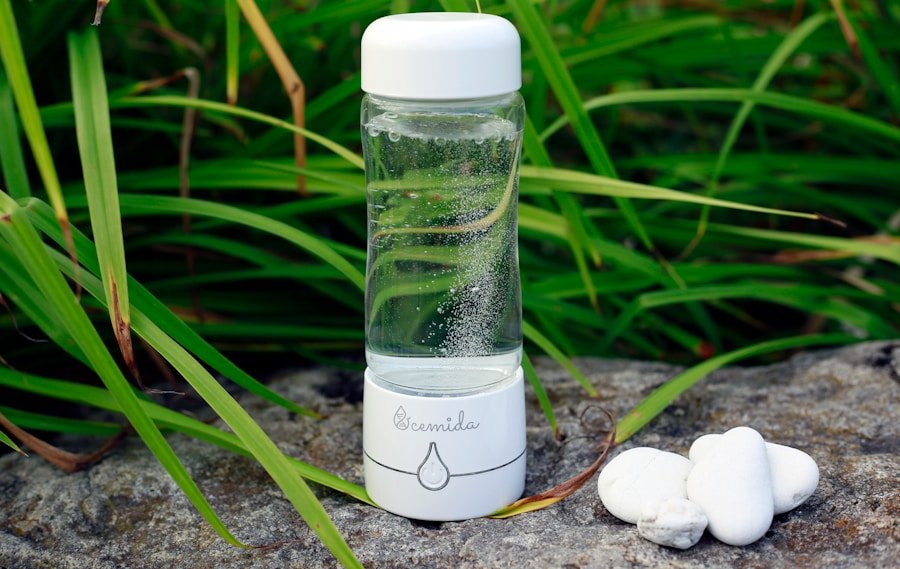
In contemporary wellness culture, the concept of “hydrogen water wellness bars” has emerged, presenting itself as a specialized venue offering hydrogen-enriched water. This article explores the purported health benefits associated with such establishments, providing a comprehensive guide to understanding their claims within a scientific context. The information presented aims to be factual and avoid anecdotal embellishment, allowing you, the reader, to form an informed opinion.
Understanding Hydrogen Water
Hydrogen water, often termed H2 water, refers to ordinary water (H2O) infused with molecular hydrogen gas (H2). This gas is recognized as the smallest molecule, which proponents suggest allows it to readily permeate cellular structures within the body. The introduction of hydrogen gas into water is typically achieved through various methods, including electrolysis or the dissolution of hydrogen-producing tablets.
Molecular Hydrogen: The Core Component
Molecular hydrogen (H2) is a colorless, odorless gas. Its primary reported health benefit lies in its potential as a selective antioxidant. Unlike broad-spectrum antioxidants that may neutralize both harmful free radicals and beneficial signaling molecules, molecular hydrogen is hypothesized to target only cytotoxic free radicals, such as the hydroxyl radical (•OH). This selectivity is a crucial distinction often emphasized by proponents of hydrogen water.
Production Methods and Their Implications
Several techniques are employed to infuse water with molecular hydrogen. Electrolysis, using specialized machines, separates water molecules into hydrogen and oxygen. The hydrogen gas is then dissolved into the water. Another common method involves magnesium-based tablets that react with water to produce hydrogen gas. The choice of production method can influence the concentration and purity of hydrogen dissolved in the water, a factor that consumers might consider when evaluating hydrogen water products or services.
The Proposed Mechanisms of Action
The purported health benefits of hydrogen water are largely predicated on the proposed mechanisms by which molecular hydrogen interacts with biological systems. These mechanisms are primarily centered on its potential antioxidant and anti-inflammatory properties.
Selective Antioxidant Activity
As previously mentioned, molecular hydrogen’s selective antioxidant activity is a key area of research. Oxidative stress, a state of imbalance between free radical production and the body’s ability to detoxify them, is implicated in numerous chronic diseases and the aging process. By selectively neutralizing harmful free radicals, molecular hydrogen is hypothesized to mitigate cellular damage. Think of it as a finely tuned filter, removing problematic elements without disrupting the essential flow.
Anti-inflammatory Effects
Inflammation is a natural bodily response to injury or infection. However, chronic inflammation can contribute to various health issues. Research suggests that molecular hydrogen may modulate inflammatory pathways, potentially by reducing the production of pro-inflammatory cytokines. This anti-inflammatory action, if substantiated, could have broad implications for conditions characterized by chronic inflammatory processes. Consider inflammation as a fire; hydrogen water might act as a targeted extinguisher, dampening the blaze without dousing the entire area.
Cell Signaling Modulation
Beyond its direct antioxidant and anti-inflammatory roles, molecular hydrogen is also being investigated for its potential to influence cell signaling pathways. This includes pathways involved in cell proliferation, apoptosis (programmed cell death), and metabolism. Altering these pathways could have profound effects on cellular function and overall physiological balance. This is akin to a conductor subtly influencing the tempo and dynamics of an orchestra, guiding the cellular processes towards a more harmonious state.
Health Claims and Scientific Scrutiny
Hydrogen water wellness bars often present a range of health claims. It is essential to examine these claims through the lens of scientific evidence, differentiating between robust research and preliminary findings.
Athletic Performance and Recovery
One prevalent claim concerns enhanced athletic performance and recovery. Proponents suggest that hydrogen water can reduce exercise-induced oxidative stress, decrease lactate accumulation, and alleviate muscle fatigue. Studies in this area have yielded mixed results. Some research indicates potential benefits in specific athletic contexts, while others show no significant difference compared to placebo. The nuances of athletic training, individual physiology, and study design all play a role in these findings.
Neurological Health
The potential impact of hydrogen water on neurological health is another area of interest. Due to its ability to cross the blood-brain barrier, molecular hydrogen is being explored for its neuroprotective properties. Conditions such as Parkinson’s disease, Alzheimer’s disease, and stroke are areas where molecular hydrogen’s antioxidant and anti-inflammatory actions might theoretically offer therapeutic benefits. However, much of this research is in its nascent stages, primarily involving animal models or small-scale human trials.
Metabolic Syndrome and Diabetes
Metabolic syndrome, a cluster of conditions including high blood pressure, high blood sugar, and excess body fat around the waist, increases the risk of heart disease, stroke, and type 2 diabetes. Some studies suggest hydrogen water may improve glucose metabolism, reduce insulin resistance, and ameliorate markers of oxidative stress in individuals with metabolic disorders. These findings, while promising, require further validation through larger, well-controlled clinical trials.
Skin Health and Anti-aging
The cosmetic industry has also embraced hydrogen water, with claims of improved skin hydration, reduced wrinkles, and enhanced skin elasticity. These claims are generally attributed to hydrogen’s antioxidant properties, which are thought to protect skin cells from damage caused by free radicals and environmental stressors. However, direct evidence for significant anti-aging effects in humans from hydrogen water consumption remains limited and often relies on anecdotal reports rather than extensive clinical scrutiny.
General Wellness and Detoxification
Hydrogen water is also marketed for general wellness, including claims of enhanced detoxification and overall vitality. While the principle of reducing oxidative stress aligns with broader wellness goals, the concept of “detoxification” is often vaguely defined. The body possesses robust natural detoxification systems, and while antioxidants can support cellular health, they do not fundamentally alter these established physiological processes.
The Hydrogen Water Wellness Bar Experience
Hydrogen water wellness bars typically offer a curated experience centered around the consumption of hydrogen-enriched water. Understanding what to expect can help you navigate these establishments.
Dispensing Technologies
At the heart of a hydrogen water wellness bar are the dispensing technologies. These often involve specialized water purification systems followed by hydrogen infusion units. These units may employ electrolysis chambers, allowing for on-demand production of hydrogen water. The concentration of dissolved hydrogen is often a key selling point, with some bars advertising specific H2 levels, measured in parts per million (ppm).
Ambient Environment and Ancillary Services
Beyond the water itself, hydrogen water wellness bars often cultivate a specific ambiance. This may include calming aesthetics, comfortable seating arrangements, and a focus on relaxation. Some establishments offer ancillary services, such as consultation on wellness practices, or even incorporate other purportedly beneficial elements like essential oil diffusers or light therapy. These elements contribute to the overall “wellness” experience but are distinct from the direct effects of hydrogen water.
Pricing and Subscription Models
The cost of hydrogen water at these bars can vary significantly. Single servings are often priced at a premium compared to conventional bottled water. Many bars also offer subscription models or membership packages, providing more economical access for regular consumers. When considering such options, evaluating the perceived value against the scientific evidence is prudent.
Critical Junctures and Future Directions
| Health Benefit | Description |
|---|---|
| Antioxidant Properties | Hydrogen water can help reduce oxidative stress and protect cells from damage. |
| Anti-inflammatory Effects | Hydrogen water may help reduce inflammation in the body, potentially benefiting conditions like arthritis. |
| Improved Athletic Performance | Some studies suggest that hydrogen water may enhance athletic performance and reduce muscle fatigue. |
| Enhanced Skin Health | Drinking hydrogen water may help improve skin hydration and reduce the signs of aging. |
| Boosted Energy Levels | Hydrogen water could potentially increase energy levels and combat feelings of fatigue. |
The field of hydrogen water research is dynamic, marked by ongoing investigation and a need for more robust clinical data.
Methodological Challenges in Research
One challenge in hydrogen water research is the variability in study methodologies. Differences in hydrogen concentration, administration methods, duration of intervention, and population characteristics can all influence study outcomes. This variability makes direct comparisons between studies difficult and underscores the need for standardized protocols.
The Placebo Effect and Consumer Perception
Like many wellness products, hydrogen water may benefit from the placebo effect. The belief in a treatment’s efficacy can lead to perceived improvements, regardless of the active ingredient. Consumer perception, often shaped by marketing and anecdotal testimonials, plays a significant role in the adoption and continued use of such products. Separating this perception from tangible physiological effects is a task for rigorous scientific inquiry.
Regulatory Landscape
The regulatory landscape for hydrogen water and hydrogen water devices is still evolving. In many regions, hydrogen water is considered a novel food or supplement, and its health claims may not be as strictly regulated as those for pharmaceutical drugs. This places a greater onus on consumers to critically evaluate the information presented by manufacturers and wellness bars.
Future Research Avenues
Future research is likely to focus on several key areas:
- Larger-scale human clinical trials: Moving beyond small pilot studies to extensive, randomized, placebo-controlled trials is essential to establish efficacy definitively.
- Optimal dosing and delivery methods: Determining the most effective concentration of hydrogen, frequency of consumption, and delivery mechanism for specific conditions.
- Biomarker identification: Identifying reliable biomarkers that can objectively measure the physiological effects of hydrogen water
- Long-term safety studies: While molecular hydrogen is generally considered safe, long-term studies are needed to rule out any unforeseen effects.
In conclusion, hydrogen water wellness bars represent a specific niche within the broader wellness economy. The propositions surrounding hydrogen water are rooted in the attractive biological properties of molecular hydrogen, particularly its selective antioxidant and anti-inflammatory potential. While preliminary research offers some promising avenues, particularly in areas like oxidative stress reduction and anti-inflammatory modulation, definitive, broadly applicable health benefits require more extensive and rigorous scientific validation. As a discerning consumer, you are encouraged to approach these claims with a critical perspective, seeking evidence-based information and consulting healthcare professionals for personalized advice. The journey of scientific discovery is ongoing, and the full scope of hydrogen water’s utility continues to be explored.