
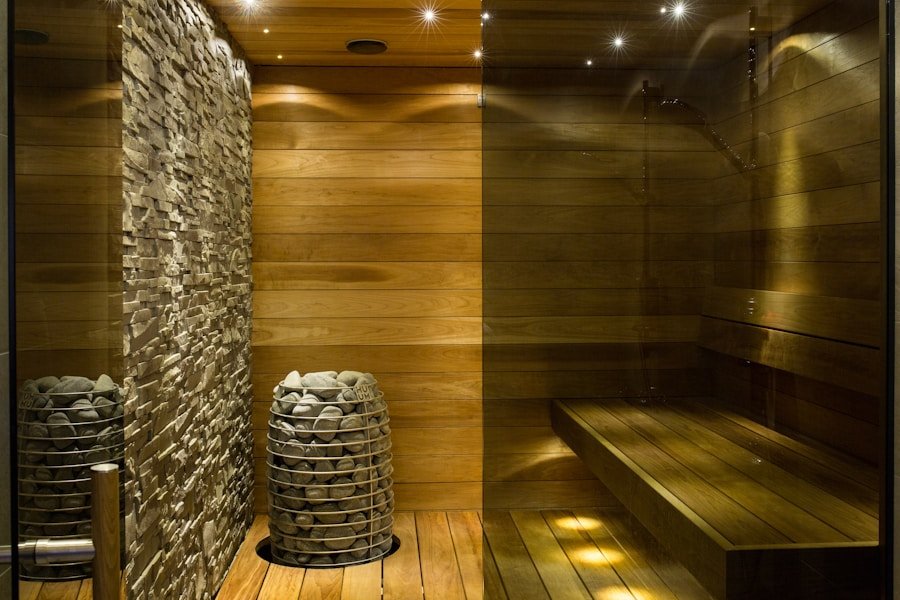
The concept of “thermal wellness” extends beyond simple temperature regulation. It encompasses a holistic approach to maintaining optimal physiological and psychological states through controlled thermal environments. This field integrates principles from various disciplines, including mechanical engineering, materials science, architecture, and ergonomics, to create spaces and technologies that promote health, productivity, and overall well-being. This article explores the scientific underpinnings of thermal wellness and the engineering innovations driving its advancement.
Understanding Thermal Comfort and Discomfort
Thermal comfort is a subjective state of mind that expresses satisfaction with the thermal environment. It’s not merely about a specific temperature, but a complex interplay of various factors. Discomfort, conversely, arises when these factors are out of balance, leading to physiological strain and reduced performance.
The Six Factors of Thermal Comfort
To achieve thermal comfort, six primary factors must be considered. Engineers and scientists often refer to these as the “Fanger model” or “PMV/PPD model,” a predictive framework for thermal sensation.
Environmental Factors
- Air Temperature: The ambient temperature of the surrounding air. This is the most commonly understood factor, yet it rarely acts in isolation.
- Radiant Temperature: The average temperature of the surfaces surrounding a person (walls, windows, ceiling, floor). Radiant heat transfer can significantly impact comfort, even if air temperature is constant. Imagine standing next to a cold window in a warm room; the radiant heat loss from your body to the cold surface can make you feel chilly.
- Air Velocity: The speed at which air moves across a person’s skin. A gentle breeze can be refreshing in warm conditions, while a strong draft can cause discomfort in cool environments.
- Relative Humidity: The amount of moisture in the air. High humidity can impede evaporative cooling from the skin, making warm conditions feel more oppressive. Low humidity can lead to dry skin and respiratory irritation.
Personal Factors
- Metabolic Rate: The rate at which the human body generates heat. This varies depending on activity level; a person exercising generates more heat than someone sitting still. Engineers must account for expected activity levels within a space.
- Clothing Insulation (Clo Value): The thermal resistance provided by clothing. Different garments offer varying degrees of insulation, influencing how effectively the body can shed or retain heat. For example, a heavy winter coat has a high clo value, while light summer clothing has a low one.
Physiological Responses to Thermal Stress
The human body possesses sophisticated thermoregulatory mechanisms to maintain a core body temperature within a narrow range. When exposed to thermal stress, these systems activate to restore balance.
Heat Stress Responses
- Vasodilation: Blood vessels near the skin surface widen, increasing blood flow to facilitate heat transfer from the core to the periphery, allowing for greater heat dissipation.
- Sweating (Evaporative Cooling): Sweat glands release moisture onto the skin, which then evaporates, carrying away latent heat from the body. The effectiveness of this mechanism is highly dependent on relative humidity and air velocity.
- Reduced Metabolic Rate: In severe cases, the body may spontaneously reduce activity to minimize internal heat generation.
Cold Stress Responses
- Vasoconstriction: Blood vessels near the skin surface narrow, reducing blood flow to minimize heat loss to the environment. This channels blood flow to vital organs.
- Shivering: Involuntary muscle contractions generate heat. This is a last-resort mechanism when other strategies are insufficient.
- Increased Metabolic Rate: The body may subtly increase its energy expenditure to generate more heat, though this is less significant than shivering in acute cold stress.
Engineering for Environmental Control
The core of thermal wellness engineering lies in precisely controlling the environmental factors that influence comfort. This is where innovation in HVAC (Heating, Ventilation, and Air Conditioning) systems, building materials, and smart technologies plays a crucial role.
Advanced HVAC Systems
Modern HVAC systems are moving beyond simple ON/OFF controls towards more sophisticated, adaptive, and energy-efficient solutions.
Zoned and Personalized Systems
- Zoned HVAC: Divides a building into multiple temperature-controlled zones, allowing occupants in different areas to set their preferred thermal conditions without affecting others. This is particularly beneficial in offices or mixed-use buildings.
- Personalized Thermal Systems: Emerging technologies, such as personal desk fans with heating and cooling capabilities, heated and cooled chairs, or individual ventilation outlets, empower occupants to fine-tune their immediate microenvironment. These systems significantly reduce energy waste by locally addressing comfort needs rather than conditioning an entire space. Think of it as a personalized climate bubble.
Energy Efficiency and Sustainability
The drive for thermal wellness is inextricably linked to sustainability. Excessive heating and cooling contribute significantly to energy consumption and carbon emissions.
- Variable Refrigerant Flow (VRF) Systems: These systems allow for precise heating and cooling to multiple indoor units from a single outdoor unit, simultaneously providing different temperature setpoints to different zones. They are highly efficient, especially in buildings with diverse and fluctuating thermal loads.
- Geothermal Heat Pumps: Utilize the stable temperature of the earth to provide highly efficient heating and cooling, significantly reducing reliance on fossil fuels.
- Thermal Energy Storage: Stores excess thermal energy (e.g., cold water at night when electricity is cheaper) for use during peak demand periods, reducing energy costs and grid strain.
Building Envelope Optimization
The building envelope – the outer shell that separates the conditioned interior from the unconditioned exterior – acts as a gatekeeper for thermal transfer. Its design and materials are paramount to thermal wellness.
Advanced Insulation Materials
- Aerogels: Extremely lightweight and porous synthetic materials with exceptionally low thermal conductivity, offering superior insulation in thin layers.
- Vacuum Insulated Panels (VIPs): Panels that encase a porous core material within a vacuum, providing insulation performance several times greater than traditional materials. These are like mini-thermos flasks for your walls.
- Phase Change Materials (PCMs): Substances that absorb and release large amounts of latent heat as they change phase (e.g., from solid to liquid). Integrated into building materials, PCMs can smooth out temperature fluctuations, acting as a thermal battery. For example, a PCM-infused plasterboard can absorb heat during the day and release it at night, maintaining a more stable indoor temperature without active heating or cooling.
Smart Glazing and Shading
- Electrochromic Glass: Glass that can change its light transmission properties in response to an electrical voltage. This allows occupants or automated systems to dynamically control solar heat gain and glare, transitioning from clear to tinted based on external conditions.
- Dynamic Shading Systems: Automated blinds, louvers, or awnings that track the sun’s position and adjust to block unwanted solar radiation while allowing adequate daylighting.
Ergonomics and Human-Centric Design
Thermal wellness extends beyond purely technical specifications; it deeply integrates with human factors and psychological comfort.
Occupant-Controlled Environments
Empowering occupants to control their thermal environment can significantly enhance satisfaction, even if the absolute thermal conditions are not perfectly “optimal.” This sense of agency reduces feelings of helplessness and improves perceived comfort.
User Interfaces for Thermal Control
- Intuitive Thermostats: Smart thermostats with user-friendly interfaces, learning algorithms, and integration with smart home ecosystems.
- Mobile Applications: Allow occupants to control their personal thermal devices or adjust zone temperatures remotely, providing convenience and flexibility.
Biophilic Design and Natural Ventilation
Integrating natural elements and processes into built environments can positively influence thermal perception and overall well-being.
Harnessing Natural Airflows
- Stack Ventilation: Utilizes the buoyancy of warm air to create a natural upward flow, drawing cooler air in from lower openings. This is like creating a natural chimney effect in a building.
- Cross Ventilation: Designs buildings with opposing openings to allow wind to flow through, providing cooling and fresh air.
- Wind Catchers and Solar Chimneys: Architectural features designed to capture prevailing winds or enhance the stack effect for natural ventilation.
Sensing and Smart Technologies
The proliferation of sensors and artificial intelligence is fundamentally transforming how thermal environments are managed, moving from reactive adjustments to proactive, predictive control.
Predictive Control Systems
These systems use data from various sources to anticipate thermal loads and adjust HVAC operation in advance, optimizing both comfort and energy efficiency.
Data Integration and Machine Learning
- Occupancy Sensors: Detect the presence and number of people in a space, allowing HVAC systems to adjust heating or cooling based on actual demand rather than fixed schedules.
- Weather Forecasting Integration: HVAC systems can access local weather data to anticipate external conditions (e.g., an approaching heatwave or cold front) and pre-condition spaces.
- Machine Learning Algorithms: Analyze historical data (occupancy patterns, user preferences, energy consumption) to learn building dynamics and optimize control strategies. These algorithms can identify subtle patterns that human operators might miss, continuously refining system performance.
Wearable Technologies and Personal Thermal Sensing
The future of thermal wellness involves more intimate, personal feedback loops.
Personal Thermal Monitoring
- Smart Wearables: Devices that monitor skin temperature, heart rate, and activity levels, potentially providing real-time physiological feedback that could inform personalized thermal control systems. Imagine your smartwatch telling the nearest vent to cool you down slightly because it detects you’re getting warm.
- Individualized Feedback Loops: Systems that adjust personal comfort devices (e.g., heated chair, personal fan) based on direct input from the user or data from wearables, creating a truly tailored thermal experience.
The Future of Thermal Wellness
| Topic | Metrics |
|---|---|
| Temperature Regulation | Efficiency of thermal insulation materials |
| Health Benefits | Reduction in muscle tension and stress levels |
| Comfort | Improvement in sleep quality and overall well-being |
| Engineering Innovations | Development of smart fabrics and wearable thermal technology |
The trajectory of thermal wellness is towards increasingly intelligent, personalized, and sustainable solutions. Engineers are continually pushing the boundaries, viewing buildings not as static structures but as dynamic, responsive ecosystems.
Adaptive Comfort and Dynamic Environments
Traditional thermal comfort models often assume static setpoints. However, the concept of “adaptive comfort” recognizes that people can adapt to a wider range of temperatures, especially when they have some control over their environment and when natural conditions are exploited.
Beyond Fixed Setpoints
- Dynamic Thermal Zones: Environments that subtly change their temperature setpoints throughout the day, aligning with occupants’ natural circadian rhythms and energy demand patterns.
- Seamless Indoor-Outdoor Transitions: Designs that blur the lines between indoor and outdoor spaces, using permeable facades and natural ventilation to create zones that respond to ambient conditions.
Integration with Health Monitoring
The convergence of thermal wellness with broader health monitoring platforms holds significant promise.
Proactive Health Interventions
- Therapeutic Environments: Spaces designed not just for comfort but for specific health benefits, such as accelerated recovery in healthcare settings through optimized thermal conditions.
- Early Warning Systems: Thermal environments integrated with physiological sensors could potentially provide early warnings of heatstroke risk or hypothermia in vulnerable populations.
In conclusion, thermal wellness is a critical aspect of modern living, influencing not only productivity and comfort but also physical and mental health. Through interdisciplinary collaboration, engineering continues to innovate, transforming how we interact with our environment, moving towards a future where optimal thermal conditions are not a luxury but an intelligently engineered standard for all. As you navigate your daily environments, consider the invisible hand of thermal engineering at work, shaping your comfort and well-being.