
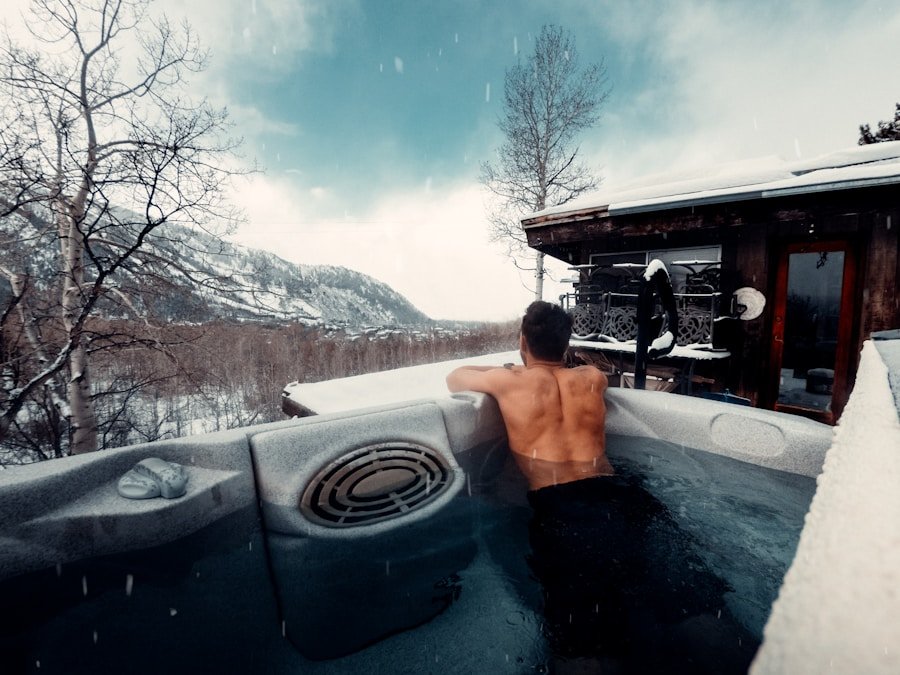
The practice of contrast therapy, often referred to as contrast hydrotherapy, involves alternating between hot and cold stimuli to the body. While traditional applications focus on recovery and pain management, the concept of “Guest Circuits” within this framework suggests a more targeted and advanced approach to athletic training. This article explores the principles and practical applications of contrast therapy guest circuits as a method to enhance physical performance.
Understanding Contrast Therapy
Contrast therapy is a modality that leverages the physiological effects of fluctuating temperatures. Its effectiveness is rooted in vasodilation and vasoconstriction, the widening and narrowing of blood vessels, respectively.
Principles of Vasodilation and Vasoconstriction
The application of heat causes blood vessels to expand (vasodilation). This increases blood flow to the area, potentially delivering more oxygen and nutrients while facilitating the removal of metabolic waste products. Conversely, cold causes blood vessels to constrict (vasoconstriction), reducing blood flow. This can help to decrease inflammation and numb pain.
Historical Context and Traditional Applications
Historically, alternating hot and cold water immersion has been employed for centuries in various cultures, often in the form of saunas followed by cold plunges. In modern sports medicine, contrast therapy has primarily been utilized in rehabilitation settings. Athletes might use it to aid recovery from muscle strains, sprains, or overuse injuries, aiming to reduce swelling and expedite the healing process.
The Physiological “Pump” Effect
The alternating cycles of heat and cold are theorized to create a “pumping” action within the circulatory system. As vessels dilate with heat, blood enters the tissues. When the temperature shifts to cold, vessels constrict, pushing blood out. This repeated action is believed to enhance the removal of inflammatory markers and improve nutrient delivery, similar to how a well-functioning pump moves fluid through a system.
Introducing Contrast Therapy Guest Circuits
The concept of “Guest Circuits” in contrast therapy extends beyond general recovery. It proposes that specific, carefully designed protocols can be implemented as integrated components of a training regimen, targeting distinct physiological adaptations and performance enhancements. Unlike a general recovery bath, these circuits are akin to specialty tools in a craftsman’s toolbox, each designed for a particular job.
Defining “Guest Circuits” in Training
In this context, a “guest circuit” refers to a structured sequence of hot and cold exposures that are timed and applied with the explicit intention of stimulating specific physiological responses relevant to athletic performance. This goes beyond simply alternating between a hot tub and an ice bath randomly. It implies a calculated approach, where the duration of each exposure, the temperature differentials, and the rest periods are meticulously planned.
Differentiating from General Recovery Protocols
General contrast therapy for recovery often focuses on maximizing blood flow and reducing overall inflammation. Guest circuits, however, are designed to be more nuanced. They might aim to:
- Enhance Capillarization: Promoting the growth of new blood vessels within muscle tissue, which can improve oxygen and nutrient delivery during exercise.
- Improve Anaerobic Capacity: Stimulating adaptations that allow muscles to function more efficiently at high intensities when oxygen supply is limited.
- Accelerate Neuromuscular Recovery: Targeting the communication pathways between the brain and muscles to facilitate faster recovery between intense training bouts.
- Increase Heat Acclimation: Gradually exposing the body to elevated temperatures to improve tolerance and performance in hot environments.
The Role of Specificity in Training
The principle of specificity is paramount in athletic training. It dictates that training adaptations are specific to the demands placed upon the body. Guest circuits apply this principle to the use of temperature stimuli. By tailoring the contrast protocol, trainers aim to elicit responses that directly translate to improvements in a particular sport or exercise.
Designing and Implementing Guest Circuits
The effectiveness of contrast therapy guest circuits hinges on their careful design and precise implementation. This involves understanding the physiological targets and structuring the protocol accordingly.
Identifying Training Goals and Physiological Targets
Before designing a guest circuit, one must clearly define the desired outcome. For example, an endurance athlete might prioritize enhancing aerobic capacity and capillarization, while a sprinter might focus on improving anaerobic power and neuromuscular efficiency.
Enhancing Aerobic Capacity and Capillarization
To promote aerobic adaptations, circuits might involve longer durations of moderately hot and cold exposures.
Long Duration, Moderate Temperature Cycles
Protocols might involve immersion in water around 40-43°C (104-109°F) for several minutes, followed by immersion in water around 10-15°C (50-59°F) for a similar duration. The prolonged exposure aims to encourage sustained vasodilation and vasoconstriction, potentially stimulating the formation of new capillaries. The repeated influx and efflux of blood can be likened to a gentle but persistent tide, gradually reshaping the shoreline of blood flow.
#####