
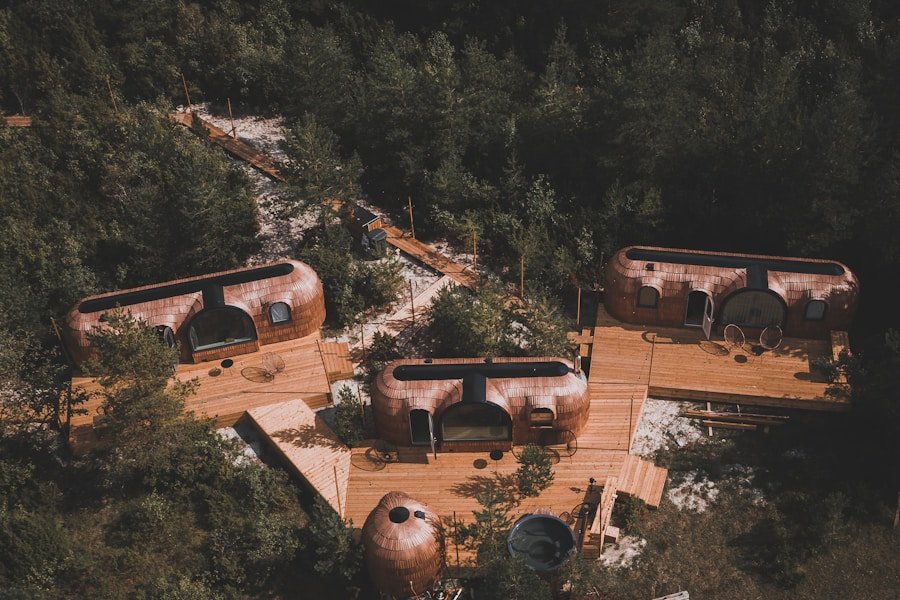
Mindful travel, often termed neuro-wellness tourism, blends elements of conventional tourism with practices aimed at enhancing mental and neurological well-being. This approach shifts the focus from purely recreational travel to experiences designed for personal growth, stress reduction, and cognitive improvement. It is a nascent but expanding sector within the broader wellness tourism industry, distinguishing itself through an emphasis on evidence-based mental health practices integrated into travel itineraries.
Defining Mindful Travel and Neuro-Wellness Tourism
Mindful travel is not merely about visiting serene destinations; it involves intentional engagement with the environment and oneself to foster mental clarity and emotional resilience. Neuro-wellness tourism, a more specific subset, integrates practices proven to impact brain function and chemistry positively. This includes activities that support neuroplasticity, reduce cortisol levels, and enhance neurotransmitter balance.
Core Principles of Mindful Travel
Mindful travel operates on several fundamental principles. It prioritizes present moment awareness, encouraging travelers to fully experience their surroundings without distraction. This contrasts with traditional tourism, which often emphasizes rapid consumption of sights and experiences. Self-compassion is another cornerstone, advocating for gentle self-treatment and acceptance throughout the journey. The integration of nature is also key, recognizing the documented benefits of spending time in natural environments for stress reduction and cognitive restoration, a concept known as “forest bathing” or shinrin-yoku.
Distinguishing from General Wellness Tourism
While general wellness tourism encompasses a broad range of activities from spa retreats to fitness camps, neuro-wellness tourism is distinctly focused on brain health. Its interventions are often informed by neuroscience and psychology, aiming for measurable improvements in mental states. This might include workshops on cognitive behavioral therapy (CBT) principles, mindfulness-based stress reduction (MBSR) programs, or technologically augmented neurofeedback sessions designed to train brainwave patterns. The key differentiator is the direct intention to positively influence neurological processes and mental health outcomes.
Scientific Basis for Neuro-Wellness Tourism
The efficacy of neuro-wellness tourism is underpinned by research in psychology, neuroscience, and psychoneuroimmunology. Studies have demonstrated the measurable impact of practices such as mindfulness, nature exposure, and certain forms of physical activity on brain structure and function.
Impact of Mindfulness on Brain Structure
Mindfulness meditation has been linked to structural changes in the brain, particularly in areas associated with attention, emotion regulation, and self-awareness. Research using functional magnetic resonance imaging (fMRI) has shown increased gray matter density in the hippocampus, a region crucial for memory and learning, and in areas linked to self-consciousness, compassion, and introspection (the temporo-parietal junction, posterior cingulate cortex, and cerebellum). Conversely, studies indicate a decrease in amygdala volume, the brain’s fear center, suggesting reduced reactivity to stress. A mindful traveler, therefore, is not simply relaxing; they are engaging in practices that subtly reshape their neural architecture.
Physiological Effects of Nature Exposure
The “biophilia hypothesis” posits an innate human tendency to connect with nature. This connection is not merely aesthetic; it has profound physiological implications. Spending time in natural environments has been shown to decrease blood pressure, lower heart rate, reduce muscle tension, and decrease the production of stress hormones like cortisol. Forest bathing, for instance, has been correlated with increased activity of natural killer (NK) cells, a type of white blood cell that supports the immune system. Neuro-wellness programs often leverage pristine natural settings as integral components of their therapeutic approach, recognizing nature as a powerful co-therapist.
Role of Physical Activity and Nutrition
Physical activity is a well-established enhancer of cognitive function and mood. Aerobic exercise, in particular, promotes neurogenesis (the growth of new brain cells) in the hippocampus and increases levels of brain-derived neurotrophic factor (BDNF), a protein vital for neuronal health. Neuro-wellness programs often incorporate structured physical activities tailored to individual capabilities, from yoga and hiking to more vigorous forms of exercise. Similarly, nutrition plays a critical role in brain health. Diets rich in omega-3 fatty acids, antioxidants, and certain vitamins (e.g., B vitamins, vitamin D) support cognitive function and mood regulation. Many neuro-wellness retreats emphasize balanced, nutrient-dense meals designed to optimize gut-brain axis health.
Components of a Neuro-Wellness Travel Itinerary
A typical neuro-wellness travel itinerary is meticulously designed to integrate various therapeutic elements, creating a holistic experience aimed at mental rejuvenation and cognitive enhancement.
Structured Mindfulness and Meditation Practices
The cornerstone of many neuro-wellness programs is structured mindfulness and meditation. This goes beyond casual meditation; it often involves guided sessions led by experienced practitioners, covering various forms such as focused attention, open monitoring, and compassion meditation. These sessions might be integrated into daily routines, perhaps starting the day with a sunrise meditation or concluding it with a reflective evening practice. The frequency and duration are tailored to allow for progressive skill development and deeper immersion.
Psychoeducational Workshops
Participants often engage in workshops designed to impart knowledge about brain function, stress management techniques, and cognitive biases. These workshops might cover topics like the neuroscience of emotion, the principles of cognitive behavioral therapy (CBT) for managing anxiety and depression, or practical strategies for improving sleep hygiene. The goal is not just to provide temporary relief but to equip travelers with tools and understanding they can apply in their daily lives after the trip, fostering long-term resilience.
Immersive Nature Experiences
Neuro-wellness itineraries frequently feature immersive nature experiences. This could involve guided forest walks, silent hikes through national parks, or periods of contemplative time spent in natural settings. The design ensures sustained engagement with the environment rather than superficial observation. Activities might also include nature journaling or nature photography, encouraging closer observation and connection. The objective is to capitalize on the documented benefits of nature exposure for stress reduction and mental clarity.
Holistic Movement and Bodywork
Beyond general physical activity, neuro-wellness programs often incorporate holistic movement practices such as yoga, Qigong, or Tai Chi. These practices combine gentle physical exertion with breathwork and mindfulness, enhancing body awareness and reducing physiological markers of stress. Additionally, bodywork therapies like massage, acupuncture, or reflexology may be offered to alleviate physical tension, promote relaxation, and stimulate parasympathetic nervous system activity, which fosters a state of “rest and digest.”
Digital Detox and Connection
A significant component of many neuro-wellness retreats is a structured digital detox. Travelers are encouraged, and sometimes required, to disconnect from smartphones, laptops, and other digital devices. This creates space for introspection, reduces information overload, and allows for more authentic engagement with both the environment and other participants. The temporary severance from digital distractions acts as a palette cleanser for the mind, fostering a return to a more natural state of presence. This detox is often paired with activities that encourage genuine human connection, recognizing the role of social interaction in mental well-being.
Choosing a Neuro-Wellness Travel Destination
Selecting the right destination for neuro-wellness travel requires careful consideration of personal needs, desired outcomes, and the specific offerings of various programs. It’s not a one-size-fits-all endeavor.
Researching Program Offerings and Accreditations
Thorough research into the program offerings is paramount. Do the activities align with your mental health goals? Are the practitioners and therapists employed by the retreat accredited and experienced in their respective fields? Look for transparency regarding the methodologies used, the qualifications of staff, and any affiliations with recognized institutions or professional bodies. The presence of evidence-based practices, such as MBSR or CBT, often indicates a program’s commitment to verifiable outcomes. One might think of this as examining the construction plans before inhabiting a new structure; the foundation must be sound.
Assessing the Environment and Location
The physical environment plays a significant role in neuro-wellness. Is the location conducive to relaxation and introspection? Consider factors such as noise levels, air quality, and access to natural landscapes. A serene, secluded environment may be preferable for deep introspection, while a location with controlled stimuli might suit those managing sensory sensitivities. The local culture can also impact the experience; some may prefer a quiet, contemplative atmosphere, while others might benefit from a gentle integration of local customs that enhance mindfulness.
Considering Personal Needs and Goals
Before embarking on such a journey, conduct an honest self-assessment of your mental health goals. Are you seeking stress reduction, improved focus, emotional regulation, or recovery from burnout? Your specific needs should guide your choice of program. Some retreats specialize in particular areas, such as trauma recovery, grief processing, or enhancing creative thinking. Understand that this is an investment in your mental capital, and like any investment, it should be tailored to yield the most significant returns for your unique profile.
Potential Benefits and Considerations
| Destination | Wellness Activity | Duration | Cost |
|---|---|---|---|
| Bali, Indonesia | Yoga and meditation retreat | 7 days | 1500 |
| Sedona, Arizona | Hiking and mindfulness workshops | 5 days | 1200 |
| Costa Rica | Surfing and eco-therapy | 10 days | 2000 |
Neuro-wellness tourism offers a range of potential benefits, from immediate stress reduction to long-term improvements in mental resilience. However, like any therapeutic intervention, it also comes with considerations.
Short-Term and Long-Term Mental Health Improvements
In the short term, participants often report significant reductions in stress, anxiety, and improved sleep quality. The break from daily routines, coupled with focused self-care, can lead to a feeling of mental ‘reset’. In the long term, the skills acquired, such as mindfulness, cognitive reframing, and improved self-awareness, can contribute to greater emotional regulation, enhanced decision-making, and increased resilience in the face of future stressors. These learned mechanisms become a mental toolkit, always accessible.
Integration of Learned Practices into Daily Life
The true measure of a successful neuro-wellness journey lies in the ability to integrate learned practices into daily life. Programs often provide resources and strategies for post-retreat maintenance, such as guided meditation apps, journaling prompts, or recommendations for continued therapist engagement. The journey does not end with the return flight; it continues as a commitment to ongoing mental health practices, much like cultivating a garden that requires continuous care after the initial planting.
Financial and Time Commitments
Neuro-wellness travel often entails significant financial and time commitments. These programs are typically more expensive than conventional vacations due to their specialized services, expert facilitators, and often, exclusive locations. Furthermore, the effectiveness often correlates with the duration of the retreat, requiring a substantial time investment. It is crucial to view this expenditure as an investment in one’s long-term health and productivity. The perceived cost is often counterbalanced by potential savings from reduced healthcare costs related to stress-induced conditions or increased productivity through enhanced cognitive function.
Addressing Expectations and Limitations
It is important to approach neuro-wellness tourism with realistic expectations. While highly beneficial, it is not a panacea for all mental health challenges, nor is it a substitute for professional clinical treatment for severe psychological conditions. It can serve as a powerful adjunct to therapy, a preventative measure, or a tool for personal growth, but travelers should be aware of its scope. The experience is designed to provide tools and a conducive environment for self-improvement, but the ultimate responsibility for applying these tools rests with the individual. This type of travel is a catalyst; the work of transformation is ultimately an internal endeavor.