
The landscape of brain health is undergoing a significant transformation, moving beyond traditional cognitive care to embrace a proactive, integrative approach. Brain wellness centers, once niche establishments, are becoming increasingly sophisticated, leveraging cutting-edge research and technology to optimize cognitive function, mitigate decline, and enhance overall neurological well-being. This article explores the evolving role of these centers, examining the innovations driving their expansion and the potential impact on individual health and societal aging.
The Evolving Paradigm of Brain Health: From Reactive Treatment to Proactive Wellness
Historically, brain health interventions primarily focused on treating neurological disorders once symptoms manifested. The modern brain wellness center, however, operates on a different principle: prevention and optimization. This shift reflects a growing understanding that cognitive decline is not an inevitable consequence of aging but a process influenced by a multitude of modifiable factors. These centers act as advanced outposts, monitoring and strengthening the brain’s defenses before a crisis occurs.
Early Detection and Risk Assessment
A cornerstone of proactive brain health is the ability to identify potential risks long before clinical manifestation. Sophisticated diagnostic tools and personalized assessments are critical to this effort.
- Advanced Neuroimaging: Techniques like functional magnetic resonance imaging (fMRI) and positron emission tomography (PET) are moving beyond purely diagnostic roles. Researchers are exploring their use for identifying subtle changes in brain activity and structure that may precede cognitive impairment. While not yet routine in all wellness centers, their research application offers a glimpse into future widespread use.
- Biomarker Analysis: Blood and cerebrospinal fluid (CSF) analyses are increasingly employed to detect biomarkers associated with neurodegenerative diseases. For instance, specific protein levels or genetic markers can indicate a heightened predisposition to conditions like Alzheimer’s. The development of easier, less invasive biomarker tests remains a significant area of research.
- Cognitive Batteries and Digital Phenotyping: Beyond traditional neuropsychological testing, digital platforms are emerging that offer continuous monitoring of cognitive performance, sleep patterns, and daily activity. These platforms provide a rich dataset for identifying deviations from an individual’s baseline, serving as an early warning system.
Lifestyle Interventions as Foundational Pillars
While advanced diagnostics provide insight, tangible interventions often involve fundamental shifts in lifestyle. Brain wellness centers emphasize a holistic approach, recognizing the interconnectedness of physical, mental, and social health.
- Personalized Nutrition Programs: Dietary interventions, informed by an individual’s genetics, microbiome, and metabolic profile, are central. This moves beyond generalized healthy eating advice to targeted nutritional strategies aimed at reducing inflammation, supporting neuroplasticity, and optimizing neurotransmitter function. Dietitians and nutritionists often collaborate with neurologists to develop these plans.
- Structured Exercise Regimens: Physical activity is a well-established modulator of brain health. Centers offer tailored exercise programs, often incorporating aerobic, strength, and balance training. The focus extends to activities that also challenge cognitive skills, such as complex dance or martial arts.
- Stress Reduction and Mindfulness Training: Chronic stress is a documented contributor to cognitive decline. Brain wellness centers integrate practices like mindfulness meditation, yoga, and biofeedback to help individuals manage stress and cultivate emotional resilience. These interventions aim to recalibrate the nervous system and promote restorative states.
- Sleep Optimization Protocols: Sleep is critical for brain detoxification and memory consolidation. Centers often employ sleep specialists to diagnose and treat sleep disorders, and implement protocols to improve sleep hygiene and quality. This can involve environmental modifications, behavioral therapy, and, when necessary, medical interventions.
Neuromodulation Techniques: Direct Brain Engagement
Beyond lifestyle adjustments, a growing array of technologies offers direct engagement with brain activity. These neuromodulation techniques represent a cutting edge in cognitive enhancement and therapeutic intervention.
Non-Invasive Brain Stimulation (NIBS)
NIBS techniques apply external energy to modulate neural activity. They are generally well-tolerated and are being explored for a range of cognitive and mood-related applications.
- Transcranial Magnetic Stimulation (TMS): TMS uses magnetic pulses to stimulate or inhibit specific brain regions. It is FDA-approved for certain types of depression and is being investigated for its potential in improving memory, attention, and executive function in various populations. Research continues to refine targeting and stimulation protocols.
- Transcranial Direct Current Stimulation (tDCS): tDCS uses a low-level electrical current to alter neural excitability. It is often used to enhance learning and performance in specific cognitive tasks by facilitating neuroplasticity in targeted areas. While less potent than TMS, it is often more accessible and can be delivered in a home setting under supervision.
- Transcranial Alternating Current Stimulation (tACS): tACS, a newer technique, delivers alternating currents to synchronize brain oscillations. This aims to enhance communication between brain regions and is being studied for conditions like Parkinson’s disease and cognitive impairment. Its application is more complex than tDCS.
Biofeedback and Neurofeedback
These techniques empower individuals to volitionally regulate their physiological and brain states, fostering greater self-control over internal processes.
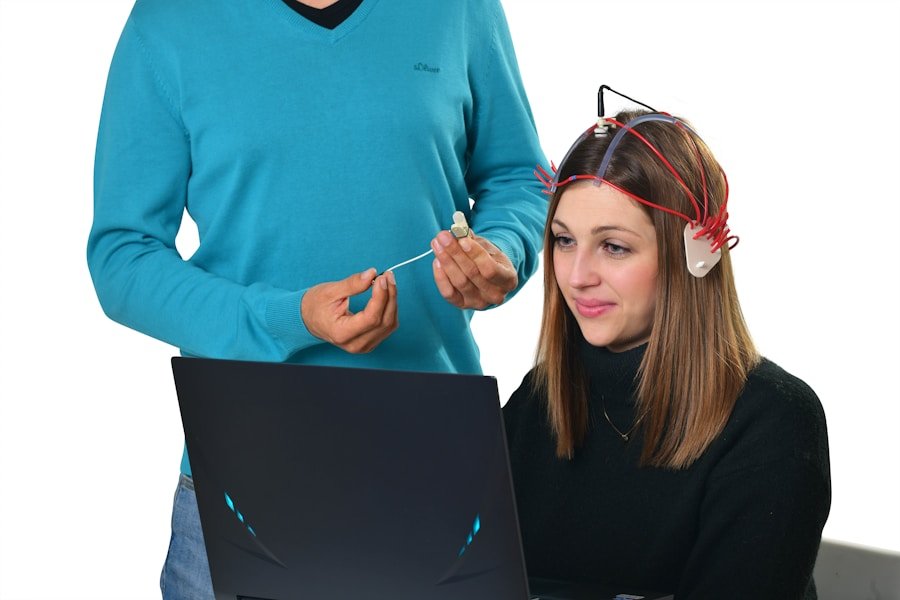
- Quantitative Electroencephalography (qEEG) based Neurofeedback: This involves real-time monitoring of brainwave activity (EEG) and providing feedback to the individual. Through repeated training sessions, individuals learn to shift their brainwave patterns to more optimal states, potentially improving attention, focus, and emotional regulation.
- Heart Rate Variability (HRV) Biofeedback: HRV biofeedback focuses on training individuals to regulate their heart rate variability, an indicator of autonomic nervous system balance. Improving HRV is associated with reduced stress, enhanced emotional regulation, and improved cognitive performance.
The Role of Digital Therapeutics and AI
The digital revolution is profoundly impacting brain wellness centers, enabling personalized interventions and scalable solutions. Artificial intelligence (AI) is a key driver of this transformation.
Personalized Cognitive Training Platforms
Gone are the days of generic brain games. Modern platforms leverage adaptive algorithms to tailor cognitive exercises to an individual’s specific needs and progress.
- Adaptive Learning Algorithms: AI analyzes performance data to dynamically adjust difficulty, focus on weaker areas, and introduce new challenges at optimal times. This ensures that training remains engaging and effective, preventing plateaus.
- Gamification and Engagement: To sustain user commitment, these platforms often incorporate gamified elements, leaderboards, and progress tracking, making cognitive training a more enjoyable and rewarding experience.
- Virtual Reality (VR) and Augmented Reality (AR) for Cognitive Rehabilitation: VR and AR offer immersive environments for cognitive training and rehabilitation, simulating real-world scenarios to practice skills in a safe and controlled setting. This can be particularly beneficial for stroke recovery or individuals with specific cognitive deficits.
AI-Powered Diagnostics and Predictive Analytics
AI’s ability to process vast datasets is revolutionizing diagnosis and risk prediction in brain health.
- Machine Learning for Image Analysis: AI algorithms can analyze neuroimaging data with high precision, identifying subtle patterns indicative of disease that might be missed by the human eye. This assists in earlier and more accurate diagnosis.
- Predictive Models for Cognitive Decline: By integrating data from genetics, lifestyle, biomarkers, and cognitive assessments, AI can build predictive models to estimate an individual’s risk of cognitive decline and identify potential intervention points. These models are constantly refined as more data becomes available.
- Personalized Treatment Pathway Optimization: AI can help personalize treatment plans by identifying which interventions are most likely to be effective for a given individual based on their unique profile. This moves towards precision brain health.
The Future Landscape: Integration and Accessibility
The trajectory of brain wellness centers points towards greater integration of diverse approaches and enhanced accessibility for a broader population.
Integrated Care Models
The most effective brain wellness centers will likely operate as hubs, coordinating care across multiple disciplines. This reflects the complex, multi-factorial nature of brain health.
- Multidisciplinary Teams: Collaboration between neurologists, neuropsychologists, dietitians, exercise physiologists, sleep specialists, and other allied health professionals will be standard. Regular case conferences and shared electronic health records will facilitate seamless care.
- Bridging Research and Practice: These centers will increasingly participate in clinical trials, bringing cutting-edge research findings directly to their clients. This rapid translation of research into practice is crucial for advancing the field.
- Data-Driven Decision Making: Every intervention, from dietary changes to neuromodulation, will be informed by individual data and regularly reassessed for efficacy. This iterative process ensures that care remains optimized and responsive.
Telehealth and Remote Monitoring
Technology will play a pivotal role in democratizing access to brain wellness services, extending their reach beyond physical centers.
- Remote Consultations and Coaching: Telehealth platforms allow individuals to consult with specialists, receive personalized coaching, and participate in therapy sessions from the comfort of their homes, overcoming geographical barriers.
- Wearable Technology for Continuous Monitoring: Smartwatches, rings, and other wearables will provide continuous data on sleep, heart rate, physical activity, and even stress levels, offering real-time insights into an individual’s brain health status. This data can be integrated into personalized wellness plans.
- At-Home Cognitive Training and Neuromodulation: As devices become more user-friendly and affordable, some cognitive training programs and even certain non-invasive neuromodulation techniques may become safely accessible for home use, under clinical supervision. This shifts the point of care closer to the individual’s daily life.
Challenges and Ethical Considerations
| Topic | Metrics |
|---|---|
| Number of Brain Wellness Centers | 200 |
| Investment in Brain Health Research | 1.5 billion |
| Number of Patients Served Annually | 500,000 |
| New Technologies Implemented | 10 |
While the promise of brain wellness centers is substantial, several challenges must be addressed for their widespread and ethical implementation.
Regulatory Oversight and Evidence Base
The rapid development of new technologies necessitates robust regulatory frameworks to ensure safety and efficacy. Not all innovations are equally supported by scientific evidence.
- Standardization of Protocols: A lack of standardized protocols across centers can lead to variability in quality and outcomes. Establishing best practices, informed by rigorous research, is essential.
- Validating Emerging Technologies: New technologies, particularly in the realm of neuromodulation and AI diagnostics, require extensive clinical validation to move from research to routine practice. Claims must be supported by empirical data.
- Consumer Protection: As the market expands, it is important to protect consumers from unsubstantiated claims and provide clear information about the efficacy and risks of various interventions.
Affordability and Accessibility
The advanced nature of many modern brain wellness interventions can lead to significant costs, potentially limiting access to those with financial means. Addressing this disparity is crucial for equitable health outcomes.
- Insurance Coverage: Currently, many brain wellness services are not consistently covered by insurance, limiting their accessibility. Advocacy for broader coverage, particularly for evidence-based interventions, is necessary.
- Scalable Solutions: Developing more affordable and scalable versions of effective interventions, perhaps leveraging digital platforms, can help extend their reach.
- Public Health Initiatives: Integrating basic brain health principles and preventative strategies into public health campaigns can support broader population wellness, irrespective of access to specialized centers.
Ethical Implications of Data and Prediction
The use of AI and predictive analytics raises important ethical questions regarding data privacy, bias, and the psychological impact of risk prediction.
- Data Security and Privacy: Handling sensitive neurological and genetic data requires stringent security measures and clear privacy policies to protect individuals’ information.
- Algorithmic Bias: Predictive models must be developed and validated on diverse populations to avoid perpetuating or exacerbating existing health disparities through algorithmic bias.
- Psychological Impact of Risk Prediction: Communicating genetic predispositions or risk assessments requires careful consideration of the psychological impact on individuals, offering support and guidance rather than inducing undue anxiety. It is important to emphasize that risk is not destiny, and interventions can mitigate potential outcomes.
The future of brain health is bright, marked by innovation, personalization, and a commitment to proactive care. Brain wellness centers stand at the forefront of this evolution, acting as beacons for optimizing our most complex organ. As a reader, understanding these developments offers insight into the emerging tools available for safeguarding your own cognitive future. These centers are not merely waiting for problems to arise; they are actively building a cognitive scaffold to support and fortify the mind for a lifetime.