
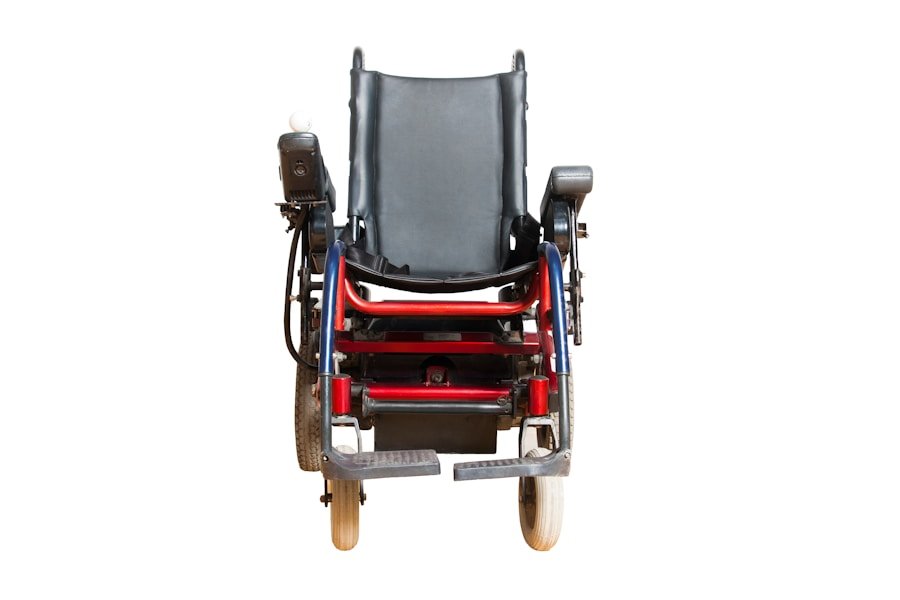
Neuro recovery suites represent a significant advancement in rehabilitative care, offering a concentrated, technology-driven approach to neurological restoration. These specialized environments integrate various therapeutic modalities and cutting-edge equipment to optimize patient outcomes following neurological injury or disease. This article explores the structure, components, and impact of neuro recovery suites.
The Evolution of Neurological Rehabilitation
Historically, neurological rehabilitation has relied on conventional physical therapy, occupational therapy, and speech therapy in traditional clinic or hospital settings. These approaches, while fundamental, can sometimes be limited by equipment availability, space constraints, and the fragmented nature of care provision. The advent of neuro recovery suites addresses these limitations by centralizing resources and creating an immersive therapeutic environment.
Shifting Paradigms in Rehabilitation
The understanding of neuroplasticity, the brain’s ability to reorganize itself, has been a driving force behind these developments. Early rehabilitation often focused on compensatory strategies. Modern approaches, particularly within neuro recovery suites, prioritize restorative strategies, aiming to re-establish neural pathways and motor function.
The Need for Intensive Intervention
For individuals experiencing significant neurological deficits, prolonged and intensive therapy is often crucial for meaningful recovery. Traditional outpatient models can struggle to provide this level of intensity due to logistical and financial barriers. Neuro recovery suites are designed to bridge this gap, delivering high-dose, targeted interventions.
Components of a Modern Neuro Recovery Suite
A neuro recovery suite is not merely a collection of equipment; it is a meticulously designed ecosystem where technology, expertise, and patient-centric care converge. This holistic approach aims to maximize neuroplastic potential.
Advanced Robotic Rehabilitation Devices
Robotic devices are a cornerstone of many neuro recovery suites. These technologies facilitate repetitive, high-intensity training, often exceeding what human therapists can consistently provide.
Exoskeletons for Gait Training
Exoskeletons provide support and guided movement for individuals with lower limb weakness or paralysis, enabling them to practice walking patterns. This repetitive movement can stimulate neural pathways involved in ambulation.
Upper Extremity Robotics for Fine Motor Skills
Devices designed for the upper limbs assist with tasks requiring precision and repetition, such as reaching, grasping, and manipulating objects. These robots can provide assistance or resistance, adapting to the patient’s capabilities.
Bionic Exoskeletons as a Metaphor for Empowerment
Consider bionic exoskeletons not just as machines, but as temporary scaffolds for rebuilding independence. They don’t replace the patient’s effort; rather, they amplify it, allowing them to push boundaries that might otherwise seem insurmountable.
Virtual Reality and Gamified Therapy
Virtual reality (VR) offers engaging and immersive environments for therapeutic exercises. Gamification further enhances motivation and adherence to treatment protocols.
Immersive Environments for Cognitive Retraining
VR can simulate real-world scenarios, allowing patients to practice cognitive skills like attention, memory, and problem-solving in a safe and controlled setting. For example, navigating a virtual supermarket can challenge executive functions.
Motor Skill Training in Gamified Settings
By transforming repetitive exercises into games, VR can make therapy more enjoyable and less monotonous. This increased engagement can translate into higher adherence and improved outcomes. Imagine a patient practicing arm movements by virtually swatting targets, or navigating a virtual maze to improve balance.
Functional Electrical Stimulation (FES)
FES involves using electrical impulses to activate muscles that are otherwise weak or paralyzed. This technique can be integrated into various therapeutic activities.
Restoring Muscle Function and Preventing Atrophy
FES can help strengthen muscles, improve range of motion, and prevent disuse atrophy. It can be used during gait training, upper limb exercises, or even for swallowing difficulties.
Integration with Other Modalities
FES is often used in conjunction with robotic devices or activity-based therapies, creating a synergistic effect that optimizes muscle activation and motor learning.
The Therapeutic Environment and Staffing
Beyond the technology, the physical environment and the expertise of the clinical team are critical to the success of neuro recovery suites.
Purpose-Built Facilities
Neuro recovery suites are typically designed with specific considerations for individuals with neurological deficits, including ample space, accessible equipment, and adaptable layouts.
Adaptive Equipment and Modifiable Spaces
The physical space often features adjustable parallel bars, specialized treadmills, and adaptable workstations that can be customized to individual patient needs and progression.
Sensory Integration Rooms
Some suites include sensory integration rooms, designed to help individuals process sensory information more effectively, which can be particularly beneficial for those with sensory processing disorders often accompanying neurological conditions.
Interdisciplinary Clinical Teams
A comprehensive team of specialists is essential to maximize the benefits of a neuro recovery suite.
Neuro-Focused Therapists
Physical therapists, occupational therapists, and speech-language pathologists with specialized neurological training are fundamental. They design and implement individualized treatment plans.
Physicians and Rehabilitation Nurses
Rehabilitation physicians oversee medical management and prescribe appropriate therapies. Rehabilitation nurses provide care and support, managing medication and monitoring patient progress.
Neuropsychologists and Social Workers
Neuropsychologists assess cognitive function and provide strategies for managing cognitive deficits. Social workers assist with discharge planning, connecting patients with community resources and support systems.
The Impact on Patient Outcomes
The concentrated and technology-driven approach of neuro recovery suites demonstrably improves various aspects of patient recovery.
Enhanced Functional Independence
A primary goal of neurological rehabilitation is to improve functional independence, enabling individuals to perform activities of daily living (ADLs) with greater ease.
Improved Gait and Balance
Through intensive gait training with exoskeletons and body-weight support systems, patients often show significant improvements in walking ability, speed, and balance, reducing fall risk.
Restoration of Upper Limb Function
The repetitive and precise movements facilitated by upper extremity robotics and FES can lead to enhanced fine motor skills, allowing patients to regain the ability to dress, feed themselves, and perform other essential tasks.
Cognitive and Communication Improvements
Beyond physical gains, neuro recovery suites also address cognitive and communication deficits.
Cognitive Rehabilitation Strategies
VR and specialized computer programs offer targeted exercises for memory, attention, executive function, and problem-solving. This is akin to training a mental muscle, gradually increasing its strength and efficiency.
Speech and Swallowing Therapy
Speech-language pathologists utilize a range of tools, including biofeedback and FES, to improve articulation, voice quality, and swallowing function, which are crucial for communication and nutrition.
Psychological and Emotional Well-being
The intensity of rehabilitation can be challenging. Neuro recovery suites aim to foster a supportive and motivating environment.
Increased Motivation and Engagement
The novelty of advanced technology, coupled with the gamified aspects of therapy, can significantly boost patient motivation and engagement, transforming therapy from a chore into a challenge.
Peer Support and Community
Many suites facilitate planned opportunities for patients to connect, share experiences, and offer mutual support, creating a collective sense of purpose. This shared journey can be a powerful antidote to feelings of isolation.
Challenges and Future Directions
| Neuro Recovery Suites | Benefits |
|---|---|
| Enhanced Patient Experience | Improved comfort and specialized care |
| Accelerated Recovery | Faster rehabilitation and recovery times |
| Advanced Technology | Access to cutting-edge medical equipment |
| Personalized Care Plans | Customized treatment plans for each patient |
Despite their efficacy, neuro recovery suites face certain challenges and continue to evolve.
Accessibility and Cost
The specialized equipment and intensive staffing requirements mean that neuro recovery suites can be expensive. This can limit access for some individuals, creating disparities in care.
Insurance Coverage and Funding Models
Advocacy efforts are ongoing to increase insurance coverage for advanced rehabilitation technologies and models of care, ensuring more equitable access.
Development of More Affordable Technologies
Researchers are continually working on developing more cost-effective robotic and VR systems to make these technologies more widely available. Think of this as the democratizing influence of innovation, making advanced tools accessible to a wider audience.
Integrating Data and Personalized Medicine
The future of neuro recovery suites will involve even greater integration of data analytics and personalized medicine.
Predictive Analytics for Treatment Optimization
Collecting and analyzing patient data from various devices can help therapists predict outcomes, identify optimal treatment parameters, and personalize interventions to an unprecedented degree.
Closed-Loop Systems and Adaptive Therapies
Future systems may incorporate closed-loop feedback, where devices adapt in real-time to a patient’s physiological responses and performance, automatically adjusting the level of assistance or resistance.
Expanding the Scope of Application
While currently focused on conditions like stroke, spinal cord injury, and traumatic brain injury, the principles of neuro recovery suites can be applied to a broader range of neurological disorders.
Neurodegenerative Diseases
Research is exploring the potential of intensive, technology-assisted rehabilitation for conditions such as Parkinson’s disease and multiple sclerosis to slow disease progression and maintain function.
Pediatric Rehabilitation
Children with neurological conditions can also benefit from the engaging and intensive therapies offered in specialized suites, adapted to their developmental needs.
In conclusion, neuro recovery suites represent a significant leap forward in neurological rehabilitation. By harnessing advanced technology, fostering interdisciplinary collaboration, and creating immersive therapeutic environments, these suites offer a beacon of hope for individuals seeking to regain function and independence after neurological injury or disease. As the field continues to evolve, we can anticipate even more personalized, accessible, and effective interventions emerging from these innovative centers.