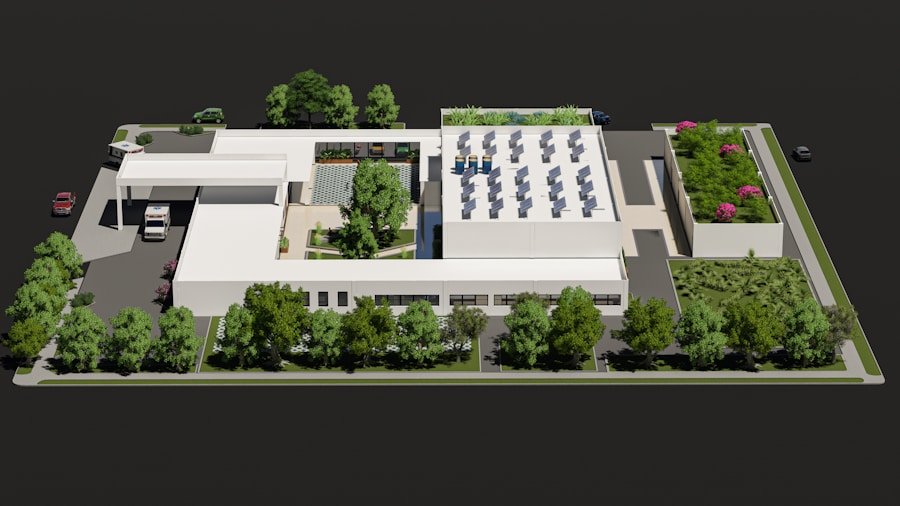
In the realm of personal well-being, the influence of one’s immediate surroundings on their psychological and physiological state is a subject of growing interest. “The Power of Space: Transforming Your Environment for Healing” posits that intentional modifications to our physical environments can serve as a catalyst for healing, promoting mental clarity, emotional resilience, and physical restoration. This examination delves into the underlying principles and practical applications of this concept, drawing upon research in environmental psychology, therapeutic design, and principles of biophilia.
This approach is not about creating sterile, hospital-like rooms, but rather about cultivating spaces that actively support and facilitate your journey towards recovery and well-being. It suggests that by consciously shaping the areas where you live, work, and rest, you can tap into a powerful, often overlooked, force for positive change. Think of your environment not as a passive backdrop, but as an active participant in your healing process. It’s a canvas upon which you can paint a more supportive and restorative reality.
Understanding the Foundations: How Space Influences Us
The connection between our physical surroundings and our internal state is deeply ingrained. Human beings are inherently social and environmental creatures, and the spaces we inhabit shape our perceptions, emotions, and behaviors. This section explores the key theoretical underpinnings of how our environments exert influence.
The Biophilic Connection: Nature as a Healer
Biophilia, a term popularized by biologist E.O. Wilson, describes the innate human tendency to connect with nature and other living systems. This connection is not merely aesthetic; it has tangible benefits for our health and well-being.
The Evolutionary Basis of Nature’s Appeal
For much of human history, survival was directly tied to our relationship with the natural world. Environments rich in natural elements—water, vegetation, natural light—were indicative of resources and safety. Consequently, our brains may be hardwired to find these elements inherently calming and restorative. Evolutionary psychology suggests that exposure to nature can trigger physiological responses that reduce stress and promote relaxation.
Manifestations of Biophilia in Designed Spaces
Integrating natural elements into built environments can leverage this biophilic connection. This can include incorporating plants, natural materials like wood and stone, natural light, and views of the outdoors. The presence of these elements can lower blood pressure, reduce heart rate, and alleviate symptoms of anxiety and depression. A strategically placed window offering a view of a green space, for instance, can act as a visual balm, offering a respite from the artificiality of indoor living.
Environmental Psychology: The Science of Our Surroundings
Environmental psychology examines the interplay between individuals and their physical settings. It investigates how spatial arrangements, sensory inputs, and the perceived qualities of a space can affect mood, cognition, and behavior.
Prospect and Refuge Theory
This theory, proposed by environmental psychologist Jay Appleton, suggests that humans are drawn to environments that offer both “prospect” (an unobstructed view) and “refuge” (a place of safety and concealment). In a healing context, spaces that provide both a sense of openness, allowing for observation and exploration, and a sense of security, where one can withdraw and feel protected, can be particularly beneficial. Think of a cozy nook with a window overlooking a garden; it offers both a view and a sense of privacy.
Sensory Input and its Impact
Our senses are constantly processing information from our environment. The quality of this sensory input significantly impacts our emotional state.
Visual Stimuli: Color, Light, and Form
The colors we see can evoke distinct emotional responses. For example, blues and greens are often associated with calmness and serenity, while warmer colors like yellows and oranges can promote feelings of energy and optimism. The quality and quantity of light are also crucial. Natural light, with its fluctuating intensity and spectrum, is generally considered more beneficial than artificial light. The shapes and forms of objects in a space, whether organic or geometric, can also subtly influence our perception and mood. Spaces with soft, curved lines may feel more calming than those with sharp, angular features.
Auditory Environments: Soundscapes and Silence
Our auditory environment plays a crucial role in our overall sense of well-being. Excessive noise can trigger stress responses, while soothing sounds, such as gentle music or the sounds of nature, can promote relaxation. Complete silence, while sometimes desirable, can also be unsettling for some. The aim is often to create a balanced soundscape, minimizing jarring noises and introducing elements that are conducive to peace.
Tactile and Olfactory Experiences: Touch and Scent
The sense of touch and smell can also contribute significantly to a healing environment. The texture of materials, the feel of fabrics, and the presence of pleasant aromas can all evoke positive sensory experiences. Natural materials offer a tactile richness that can be grounding. Certain scents, like lavender or chamomile, are known for their calming properties.
Designing for Restoration: Practical Strategies for Transforming Your Space
Translating theoretical understanding into actionable steps is key to leveraging the power of space for healing. This section outlines practical methods for redesigning your environment to foster a sense of well-being.
The Role of Light: Harnessing Natural and Artificial Illumination
Light is a fundamental element of our environment, influencing our circadian rhythms, mood, and overall energy levels.
Maximizing Natural Light
Prioritize access to natural light whenever possible. This can involve strategic furniture placement to avoid obstructing windows, the use of sheer curtains or blinds that allow light to filter through, and keeping windows clean. Consider the orientation of your windows and the time of day that certain rooms receive the most sunlight. A space that is flooded with morning light can be invigorating, while an evening-lit space can be more conducive to relaxation. Think of natural light as the breath of your space, vital for its vitality.
Thoughtful Artificial Lighting
When natural light is limited, or for specific purposes, artificial lighting plays a vital role. Opt for warm-toned bulbs rather than harsh, blue-toned ones, especially in relaxation areas. Consider layered lighting, using a combination of ambient, task, and accent lighting to create a more dynamic and comfortable atmosphere. Smart lighting systems that allow for customizable color temperature and brightness can also be beneficial, enabling you to adjust the lighting to suit different activities and times of day. Dimmer switches offer a simple yet effective way to control the mood of a room.
Color Psychology in Healing Spaces
The deliberate use of color can have a profound impact on emotional states. Understanding the principles of color psychology can help in making informed design choices.
Calming Palettes for Relaxation and Recovery
For areas intended for rest and recuperation, soft, muted tones are often recommended. Pale blues, greens, and lavenders are associated with tranquility and can help to reduce stress and anxiety. These colors can create a serene atmosphere, akin to the gentle hues of a dawn sky.
Energizing Hues for Stimulation and Focus
In spaces designated for activity or cognitive tasks, brighter, more stimulating colors can be employed judiciously. Soft yellows can promote cheerfulness, while subtle oranges can foster creativity. However, it is important to avoid overwhelming or overly stimulating color combinations that could prove counterproductive in a healing context. The key is balance; even vibrant colors can be incorporated in moderation to provide a touch of upliftment without inducing agitation.
Incorporating Nature: Biophilic Design Elements
Bringing the outdoors in is a powerful strategy for enhancing well-being. This goes beyond simply placing a potted plant.
The Power of Greenery: Indoor Plants
The presence of indoor plants offers numerous benefits. They improve air quality by removing toxins, increase humidity, and can reduce stress and improve mood. Choosing plants that are visually appealing and require manageable care is important. Consider the natural inclinations of plants: some thrive in bright light, others in shade, just as some environments nurture you more than others.
Natural Materials and Textures
The use of natural materials such as wood, stone, bamboo, and natural fabrics (cotton, linen, wool) can add warmth, texture, and a sense of connection to the earth. These materials often have a pleasing tactile quality and can contribute to a more organic and grounding atmosphere. Rough-hewn wood can evoke the feeling of a forest, while smooth, polished stone can bring a sense of solidity and stability.
Water Features and Natural Sounds
The gentle sound of flowing water can be incredibly soothing and has been shown to reduce stress and anxiety. Small indoor fountains or even a desktop water feature can introduce this element. If a water feature is not feasible, consider playing recordings of natural sounds like rain, ocean waves, or birdsong. These are nature’s lullabies, designed to pacify and restore.
Creating Zones: Structuring Your Space for Specific Needs
The effective organization of your environment into distinct zones can enhance its functionality and support different aspects of your healing journey.
Dedicated Rest and Sleep Sanctuary
The bedroom, in particular, should be optimized for rest and rejuvenation.
Minimizing Distractions for Sleep Quality
This zone requires an environment that promotes deep and uninterrupted sleep. This means minimizing light pollution, reducing noise, and maintaining a comfortable temperature. Blackout curtains, earplugs, and a consistent sleep schedule are all crucial elements. Your bedroom should be an island of calm in the ocean of daily demands.
Sensory Comfort in the Sleep Environment
Focus on creating a sanctuary of sensory comfort. This includes choosing breathable and soft bedding materials, ensuring proper ventilation, and selecting calming colors and minimal decor. The aim is to create a space where your mind and body can fully relax and recharge.
Zones for Activity and Rehabilitation
For those engaged in physical or therapeutic activities, dedicated spaces can be highly beneficial.
Movement and Exercise Areas
If you are incorporating physical therapy or exercise into your routine, designate a clear area for these activities. Ensure it is free of clutter and has adequate space. The presence of exercise equipment, if applicable, should be organized and accessible. This zone is about action and growth, a space where your body can be encouraged to heal.
Creative Expression and Mindfulness Spaces
Spaces for creative pursuits like art, writing, or music, or for mindfulness practices such as meditation or yoga, can be invaluable. These areas should be designed to foster focus and inspiration. Consider lighting, comfortable seating, and access to necessary materials. This is where your inner world can be explored and nurtured.
The Importance of Decluttering and Organization
An organized space can have a profound impact on mental clarity and reduce feelings of overwhelm.
Reducing Visual Noise for Mental Clarity
Clutter can create visual noise, which can contribute to a sense of chaos and anxiety. Regularly decluttering your space removes unnecessary items, freeing up mental and physical energy. Imagine your mind as a clear sky; decluttering is like clearing away the clouds.
Establishing Systems for Order
Implementing effective organizational systems, such as storage solutions and designated places for items, can help maintain order. This not only makes your space more visually appealing but also reduces the time and mental effort spent searching for things. Systems act as the reliable currents that keep your environment flowing smoothly.
The Psychological Impact of Personalization and Control
The feeling of ownership and the ability to influence one’s environment are crucial for a sense of well-being and agency, particularly during times of healing.
Personalization as a Form of Empowerment
Your space should reflect who you are and what brings you comfort and joy. Personalizing your environment with cherished photographs, meaningful objects, or artwork can foster a sense of belonging and emotional security. This is your personal tapestry, woven with threads of your experiences and preferences.
Creating a Sense of Safety and Belonging
A personalized space can act as a powerful anchor, reinforcing your identity and providing a sense of safety and belonging. This is especially important if you are recovering from trauma or experiencing a significant life change. It’s about creating a haven that is uniquely yours, a fortress against external stressors.
The Role of Control in Reducing Stress and Anxiety
Having a sense of control over one’s surroundings can significantly reduce stress and anxiety. This extends to having the ability to adjust lighting, temperature, and the arrangement of furniture.
Empowering Choices in Your Environment
When you have the agency to make choices about your living or working space, it fosters a sense of empowerment. This can be as simple as choosing where to place a chair or as significant as deciding on paint colors. This autonomy is a vital ingredient in the recipe for recovery.
Adapting Your Space to Evolving Needs
As you progress through your healing journey, your needs may evolve. The ability to adapt and reconfigure your space to meet these changing requirements is essential. This flexibility allows your environment to remain a supportive ally throughout your process. Your space isn’t static; it’s a dynamic partner in your evolving well-being.
Sustaining a Healing Environment: Long-Term Strategies
| Chapter | Topic | Metrics |
|---|---|---|
| 1 | The Impact of Space | Research findings on the influence of environment on healing |
| 2 | Designing Healing Spaces | Principles for creating calming and supportive environments |
| 3 | Case Studies | Examples of successful healing environments |
| 4 | Implementing Changes | Strategies for transforming existing spaces for healing |
Transforming your environment is not a one-time event, but an ongoing process of cultivation and maintenance.
Regular Review and Adjustment of Your Space
Periodically assess your environment to ensure it continues to meet your needs. What once served as a calming space might need adjustments as your healing progresses.
Listening to Your Body’s Signals
Your body and mind will often signal when your environment needs attention. Pay attention to how you feel in different spaces. Do you feel agitated, tired, or uninspired? These feelings can be cues that your environment is no longer optimally supporting you. Your surroundings are speaking to you; learn to decipher their language.
Adapting to Seasons and Life Changes
Consider how the changing seasons might influence your environment. During darker winter months, you might need more light and warmth, while in summer, you might seek coolness and fresh air. Similarly, major life events may necessitate further adjustments to your space to promote comfort and stability.
The Importance of Maintenance and Care
A well-maintained space contributes to a sense of order and respect for your surroundings.
Routine Cleaning and Organization
Regular cleaning and tidying are essential for maintaining a peaceful and healthy environment. This includes dusting, vacuuming, and ensuring that items are returned to their designated places. This is about tending to the garden of your personal space.
Intentional Renewal and Refreshment
Beyond basic maintenance, consider intentional ways to refresh your space. This could involve rearranging furniture, adding new plants, or introducing subtle changes in decor that align with your current well-being goals. These acts are like seasonal pruning, encouraging new growth and vitality.
Seeking Professional Guidance
For more complex transformations or specific therapeutic needs, consulting with professionals can be invaluable.
Environmental Psychologists and Therapeutic Designers
Professionals specializing in environmental psychology or therapeutic design can offer expert advice on creating spaces optimized for healing and well-being. They possess the knowledge and experience to translate your needs into tangible environmental solutions. They are the architects of your restorative world.
Interior Designers with a Focus on Well-being
Certain interior designers have a particular focus on creating spaces that promote health and wellness. They can help integrate principles of biophilia, color psychology, and functional zoning into your design. They are skilled artisans who can craft spaces that are both beautiful and beneficial.
“The Power of Space: Transforming Your Environment for Healing” underscores the profound connection between our physical surroundings and our capacity for well-being. By understanding the principles of environmental psychology, biophilia, and sensory design, and by implementing practical strategies for organizing, personalizing, and maintaining our spaces, we can actively cultivate environments that support and accelerate our journey towards healing. The intentional shaping of our immediate world is not merely an aesthetic pursuit, but a powerful form of self-care, a deliberate act of creating sanctuary where restoration can flourish.