
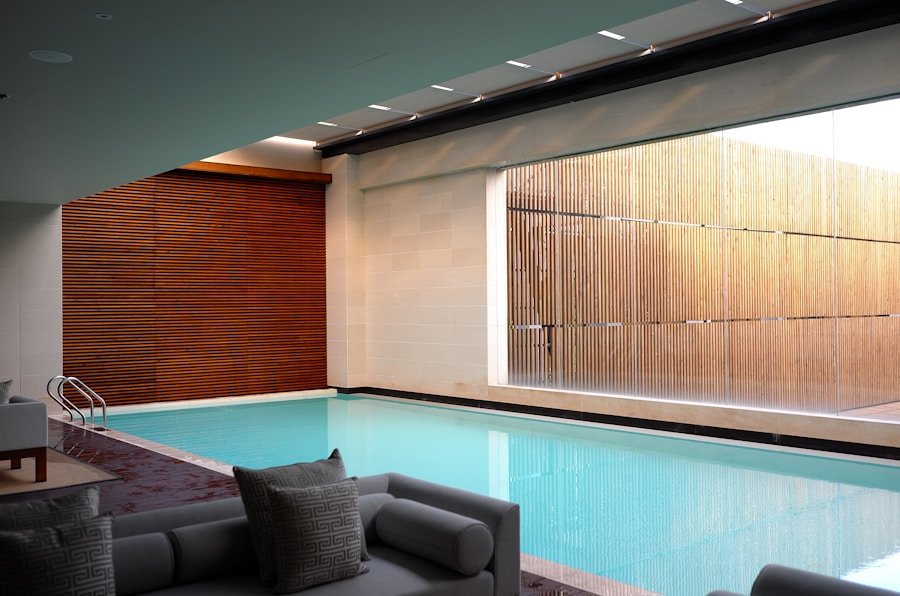
The concept of medical spa hotel models, often presented as luxurious retreats for wellness and beauty, involves the integration of medical and aesthetic treatments within a hospitality setting. These establishments aim to provide guests with a holistic experience that combines relaxation, rejuvenation, and professional medical care. The development and operation of such models require careful consideration of client needs, regulatory compliance, and a strategic business approach.
Understanding the Medical Spa Hotel Model
The medical spa hotel model is a synthesis of two distinct service sectors: hospitality and medical aesthetics. This fusion creates an environment where guests receive pampering and comfort alongside specialized treatments administered by licensed medical professionals. The primary goal is to offer a comprehensive solution for individuals seeking to enhance their well-being and appearance in a serene and luxurious setting.
Defining the Core Components
At its heart, a medical spa hotel is built upon several key pillars. Foremost is the hospitality element, which encompasses the traditional services expected of a hotel, such as comfortable accommodation, dining, leisure facilities, and personalized service. This aspect is crucial for creating an atmosphere of relaxation and escape.
The second critical component is the medical and aesthetic service provision. This involves a range of treatments, from minimally invasive cosmetic procedures like injectables and laser therapies to more comprehensive wellness services such as nutritional counseling, detoxification programs, and hormone balancing. The “medical” aspect denotes that these services are overseen by or performed by qualified healthcare professionals, including physicians, nurses, and accredited aestheticians.
Finally, the integration of these two spheres is what defines the model. It’s not simply a hotel with a spa annex, but a meticulously designed ecosystem where the guest journey flows seamlessly between relaxation and treatment.
Variations in the Model
Medical spa hotel models can manifest in different forms, reflecting the diverse needs and preferences of the target market. These variations often hinge on the depth of medical integration and the primary focus of services.
High-End Luxury Retreats
These establishments cater to a clientele with high disposable income, prioritizing exclusivity, bespoke experiences, and cutting-edge medical technologies. The focus is on comprehensive rejuvenation, anti-aging, and often, preventative healthcare. Accommodation is typically opulent, and the dining options emphasize health-conscious gourmet cuisine. The medical team is often comprised of leading specialists in their respective fields.
Wellness-Focused Havens
These models lean more heavily on holistic health and well-being, incorporating medical guidance into broader wellness programs. While aesthetic treatments may be available, they are often secondary to services like mindfulness, yoga, detox programs, and personalized fitness plans, all guided by medical expertise. The atmosphere emphasizes tranquility and natural elements.
Destination Medical Tourism Hubs
In some instances, medical spa hotels are established in locations known for their natural beauty or as centers for specific medical expertise. These facilities aim to attract international travelers seeking high-quality medical treatments coupled with a restorative vacation experience. Regulatory compliance and cross-border healthcare considerations are paramount in these models.
The Client Journey: From Booking to Departure
The success of a medical spa hotel model is intrinsically linked to the guest’s experience, which begins long before arrival and extends well after departure. A well-orchestrated client journey is like a carefully composed symphony, with each note played in harmony to create a pleasing whole.
Pre-Arrival Engagement
The initial contact is vital. Websites and promotional materials must clearly articulate the unique selling propositions of the establishment, emphasizing the blend of luxury and medical expertise. Personalized consultations, either virtual or in-person, allow potential guests to discuss their goals and concerns, enabling the staff to tailor potential treatment plans.
In-House Experience
Upon arrival, guests should be greeted with an atmosphere of tranquility and attentive service. The integration of medical and hospitality services should be seamless. For instance, a post-treatment recovery period might be situated in a quiet, well-appointed room with room service catering to specific dietary needs. The staff must be trained to be discreet yet knowledgeable, able to address guest inquiries across both hospitality and basic medical service aspects.
Post-Departure Follow-Up
Continued engagement ensures client satisfaction and fosters loyalty. This can include follow-up medical advice, personalized skincare recommendations, or invitations to future wellness events. A consistent touchpoint reinforces the value of the experience.
Strategic Planning and Development
Establishing a successful medical spa hotel model requires rigorous strategic planning. This is not a leap of faith, but a carefully calculated ascent, where each step is guided by foresight and preparation.
Market Research and Niche Identification
Before laying the first brick, understanding the market is essential. This involves analyzing existing competition, identifying unmet needs within the wellness and beauty tourism sector, and defining a specific niche. A thorough market analysis is akin to surveying the land before building a bridge; it ensures the foundation is sound.
Target Demographic Analysis
Who is the ideal client? Understanding their demographics, psychographics, lifestyle, and spending habits will inform every aspect of the business, from the services offered to the marketing strategies employed.
Competitive Landscape Assessment
Examining what other medical spa hotels or high-end spas are offering, their pricing structures, and their strengths and weaknesses provides crucial context. This information allows for differentiation and the identification of unique selling propositions.
Service Offering Design
The menu of services is the engine of the medical spa hotel. It must be comprehensive, credible, and aligned with the identified niche and target market.
Medical and Aesthetic Treatment Portfolio
This portfolio should encompass treatments ranging from preventative healthcare and diagnostics to minimally invasive cosmetic procedures and advanced rejuvenation therapies. It is vital to ensure that all medical treatments are within the scope of practice for the licensed professionals performing them.
Wellness and Lifestyle Programs
Complementary wellness programs, such as nutritional guidance, stress management, fitness, and mindfulness, enhance the holistic nature of the offering. These programs should be evidence-based and integrated with the medical services.
Operational Framework and Staffing
The operational framework dictates how the services are delivered, and the staffing is the lifeblood of the operation. A robust operational structure ensures efficiency, while skilled staff provide the expertise and service quality.
Regulatory and Compliance Considerations
Operating a medical spa hotel involves navigating a complex web of healthcare regulations, licensing requirements, and safety protocols. This is a non-negotiable aspect of the business, akin to the structural integrity of a building.
Licensing and Accreditation
Ensuring all medical and aesthetic practitioners are properly licensed and that the facility adheres to relevant accreditation standards is paramount for legal operation and client trust.
Medical Waste Management and Safety Protocols
Implementing stringent protocols for medical waste disposal, sterilization, and emergency preparedness is critical for patient safety and regulatory compliance.
Staff Recruitment and Training
Recruiting qualified medical professionals, experienced hospitality staff, and aestheticians who can collaborate effectively is essential. Continuous training ensures staff are up-to-date on the latest techniques and customer service best practices.
Facility Design and Ambiance
The physical environment plays a pivotal role in creating the desired luxurious retreat experience. It’s the canvas upon which the entire operation is painted.
Architectural and Interior Design
The design should foster a sense of calm, luxury, and sophistication. Natural light, calming color palettes, and high-quality materials contribute significantly to the ambiance. The layout should facilitate a seamless flow between guest rooms, treatment areas, and relaxation spaces.
Creating Serene Treatment Spaces
Treatment rooms should be designed for comfort, privacy, and clinical efficiency. Soundproofing, adjustable lighting, and comfortable treatment beds are essential elements.
Enhancing Relaxation Zones
Areas for pre- and post-treatment relaxation – such as lounges, quiet rooms, and outdoor spaces – should be thoughtfully designed to encourage rest and rejuvenation.
Integration of Technology
Technology should enhance the guest experience and operational efficiency without being intrusive.
Patient Management Systems
Advanced software for booking, medical record management, and appointment scheduling streamlines operations and provides a personalized experience.
In-Room Technology
Smart room features, entertainment systems, and optional health monitoring devices can cater to the tech-savvy guest.
Marketing and Brand Positioning
Effective marketing is crucial for attracting the target clientele and establishing a strong brand identity. The brand positioning is the unique flag the establishment plants in the competitive landscape.
Digital Marketing Strategies
A strong online presence is indispensable. This includes a professional website, active social media engagement, and targeted online advertising.
Search Engine Optimization (SEO)
Ensuring the website ranks high in search results for relevant keywords attracts organic traffic from potential clients actively looking for medical spa hotel services.
Social Media Engagement and Content Marketing
Platforms like Instagram and Facebook can be used to showcase the facility, highlight treatments, share testimonials, and engage with the target audience through visually appealing content.
Public Relations and Influencer Marketing
Building relationships with media outlets and collaborating with relevant influencers can significantly enhance brand visibility and credibility.
Media Outreach
Securing positive press coverage in travel, wellness, and lifestyle publications can introduce the medical spa hotel to a wider audience.
Influencer Collaborations
Partnering with credible wellness and beauty influencers can provide authentic endorsements and reach their engaged followers.
Financial Management and Sustainability
| Metrics | Data |
|---|---|
| Number of Spa Treatments Offered | Over 50 |
| Number of Guest Rooms | 100+ |
| Spa Facilities | Indoor and Outdoor |
| Wellness Programs | Yoga, Meditation, Fitness |
| Beauty Services | Facials, Massages, Manicure/Pedicure |
The financial health and long-term viability of a medical spa hotel depend on sound financial management practices and a commitment to sustainable operations.
Investment and Funding
Securing adequate funding for the initial setup, which includes facility development, equipment acquisition, and initial operating capital, is a critical first step.
Due Diligence and Financial Projections
Thorough due diligence on market potential and realistic financial projections are essential for attracting investors and lenders.
Funding Sources
Exploring various funding options, including private equity, venture capital, bank loans, and potentially crowdfunding, is a standard practice.
Pricing Strategies and Revenue Streams
Developing a competitive yet profitable pricing strategy and diversifying revenue streams are key to financial success.
Tiered Service Packages
Offering various packages that cater to different budgets and needs can attract a broader clientele and encourage upselling.
Ancillary Revenue Generation
Introducing revenue streams beyond core treatments, such as retail sales of high-quality skincare products, on-site boutique items, or exclusive membership programs, can boost profitability.
Measuring Success and Continuous Improvement
Regularly evaluating performance against key metrics and implementing strategies for continuous improvement ensures the long-term growth and success of the medical spa hotel.
Key Performance Indicators (KPIs)
Tracking metrics such as occupancy rates, average guest spend, treatment utilization, client satisfaction scores, and staff retention provides insights into operational efficiency and profitability.
Feedback Mechanisms
Implementing robust feedback mechanisms, including guest surveys, online reviews, and direct staff input, allows for identification of areas for improvement.
By meticulously addressing each of these facets, a medical spa hotel can transition from a concept to a thriving enterprise, a sanctuary where well-being and beauty are not just offered, but profoundly experienced.