
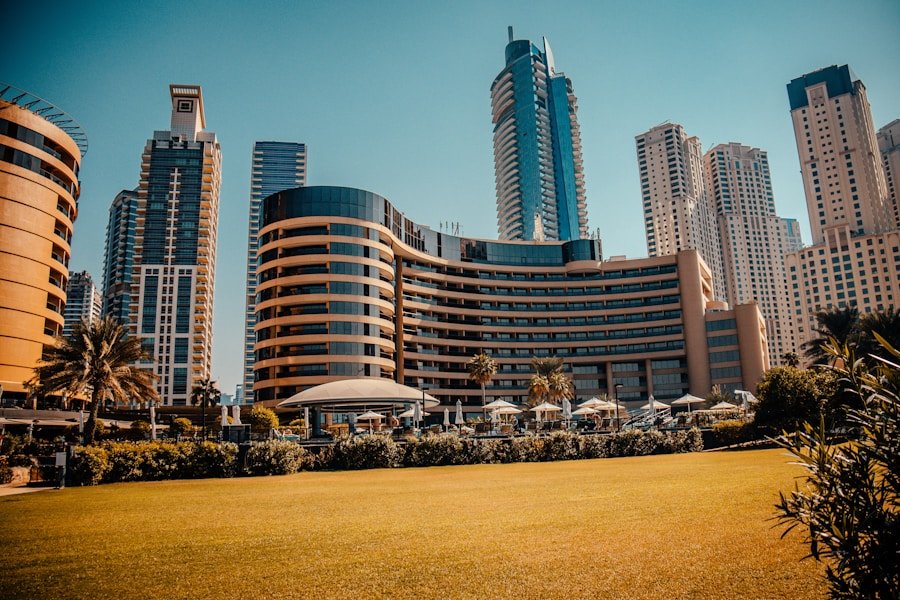
The landscape of wellness tourism is undergoing a significant evolution, moving beyond its traditional association with isolated spas and luxury resorts. This transformation is increasingly driven by strategic infrastructure planning, which is weaving essential services and accessible facilities into the fabric of travel destinations. This approach aims to democratize wellness, making it more integrated with daily life and accessible to a broader spectrum of travelers. The underlying principle is that genuine wellness is not solely an escape, but a holistic experience that can be facilitated and enhanced by thoughtful development.
The Foundations of Accessible Wellness: Beyond the Resort Walls
Wellness tourism, historically, has been characterized by dedicated establishments designed for relaxation and rejuvenation. However, this model often limits access to those who can afford premium offerings and positions wellness as a distinct, separate activity rather than a lifestyle choice. The shift towards infrastructure planning reframes this perspective by recognizing that well-being is influenced by a multitude of environmental and societal factors. This section explores the foundational elements of this shift, focusing on how planning beyond the confines of resort complexes is creating a more inclusive and impactful wellness tourism sector.
Public Transportation and Connectivity: Bridging the Gap to Serenity
The physical act of reaching a wellness destination can be a significant barrier. Traditional approaches often assume private transport or chauffeured services. However, modern infrastructure planning prioritizes robust public transportation networks. This involves developing and enhancing train lines, bus routes, and even ferry services that connect urban centers to natural landscapes and smaller wellness hubs. This is akin to building sturdy bridges across a river, enabling more people to reach the tranquil shores on the other side.
Integrated Transport Hubs
Wellness tourism can be seamlessly integrated with existing travel ecosystems. This means a traveler arriving at a major airport or train station can find clear pathways and direct connections to wellness-focused areas without unnecessary transfers or lengthy layovers. Information systems, readily available at these hubs, can provide details on local wellness offerings, transportation schedules, and route guidance, treating wellness destinations as integral parts of a larger travel network.
Sustainable Mobility Options
Beyond just connectivity, infrastructure planning is increasingly focused on sustainable mobility. This includes the development of cycling paths, walking trails, and charging stations for electric vehicles, encouraging visitors to engage with their surroundings in a low-impact manner. This not only reduces the carbon footprint of wellness tourism but also allows travelers to experience the journey itself as a component of their well-being, fostering a connection with nature.
Green Spaces and Natural Amenities: The Core of Experiential Wellness
The inherent appeal of wellness tourism is often rooted in its connection to the natural environment. Infrastructure planning plays a crucial role in preserving, enhancing, and making accessible these natural assets. The focus shifts from creating artificial wellness environments to integrating travelers with pre-existing natural beauty responsibly.
Park Systems and Urban Green Corridors
The development and expansion of public park systems, national parks, and protected natural areas are fundamental. Furthermore, creating green corridors that link urban areas to natural retreats allows for passive wellness experiences like walking, exploring, and simply enjoying nature. These corridors act as pathways for both physical and mental rejuvenation, accessible to a wider population.
Waterways and Coastal Access
Rivers, lakes, and coastlines are vital for many wellness experiences, from swimming and kayaking to simply enjoying the calming presence of water. Infrastructure planning can involve improving public access to these areas, creating boardwalks, piers, and safe swimming zones. This also extends to the sustainable management of these resources to ensure their long-term health and accessibility for future generations.
Trail Networks and Recreational Pathways
The creation and maintenance of extensive trail networks for hiking, running, and other outdoor activities are paramount. This includes thoughtfully designed paths that cater to different fitness levels and abilities, ensuring inclusivity. These trails can be integrated with local communities, connecting viewpoints, natural landmarks, and even local artisanal producers, enriching the overall experience.
Enhancing the Wellness Ecosystem: Beyond Basic Accommodation
The traditional resort model often encapsulates all wellness offerings within a single, self-contained entity. Infrastructure planning is now facilitating a more dispersed yet interconnected wellness ecosystem, where various providers and amenities are woven into the community fabric. This allows for a more authentic and varied experience, moving away from the curated bubble of a resort.
Health and Medical Facilities: Integrated Care and Preventive Services
The availability of reliable health services is a crucial, often overlooked, component of wellness tourism. Infrastructure planning is recognizing the importance of integrating wellness with healthcare, not just for emergencies but for preventive and rehabilitative purposes.
Local Clinic and Hospital Accessibility
Ensuring that wellness travelers have access to well-equipped local clinics and hospitals is essential for their peace of mind and safety. This involves assessing the capacity and quality of existing healthcare infrastructure in areas promoted for wellness tourism and identifying areas where development or upgrades are necessary.
Specialized Wellness Centers and Clinics
Beyond general healthcare, there is a growing need for specialized wellness centers that offer services like physiotherapy, rehabilitation, traditional medicine practices, and mental health support. Infrastructure planning can facilitate the establishment of these centers, making them accessible through public transport and integrating them with local accommodation options.
Telemedicine and Remote Health Support
In an increasingly digital world, leveraging technology for health support is also an area of focus. Planning for robust internet connectivity in wellness destinations can enable telemedicine consultations, remote monitoring, and access to online health resources, providing an additional layer of care and confidence for travelers.
Food and Beverage Networks: Nurturing from Farm to Table
The role of diet in well-being is undeniable. Infrastructure planning is now considering how to support and promote healthy, local, and sustainable food systems for wellness travelers. This moves beyond the buffet lines of resorts to a more authentic culinary experience.
Local Produce Markets and Farm Access
Facilitating direct access to local farmers’ markets and allowing visitors to visit farms can be a key element. This includes developing pathways, signage, and educational opportunities that connect travelers with the source of their food, fostering an appreciation for local agriculture and promoting healthy eating habits.
Restaurants and Cafes with Healthy Options
Encouraging a diverse range of restaurants and cafes that prioritize fresh, local, and healthy ingredients is vital. This can involve zoning regulations that support such establishments, offering incentives for businesses to adopt sustainable sourcing practices, and clear labeling of healthy menu options.
Culinary Education and Workshops
Infrastructure can support not only consumption but also education. This could involve the development of community kitchens or dedicated spaces for culinary workshops focused on healthy cooking, nutrition, and local cuisine, further enriching the wellness experience.
Digital Infrastructure and Information Access: Navigating the Wellness Landscape
In the modern era, digital infrastructure is as critical as physical infrastructure when it comes to planning and experiencing wellness tourism. Seamless connectivity and readily available information empower travelers to make informed choices and navigate their wellness journeys effectively.
High-Speed Internet and Connectivity
Reliable and widespread internet access is no longer a luxury but a necessity. This includes robust Wi-Fi in accommodation, public spaces, and even along trails. This allows travelers to research wellness providers, book appointments, access health information, and stay connected with loved ones, reducing anxiety and enhancing convenience.
Digital Platforms and Mapping
The development of comprehensive digital platforms that map out wellness offerings is crucial. This includes mobile applications and websites that provide information on spas, yoga studios, meditation centers, healthy restaurants, outdoor activities, and transportation options. These platforms can also offer personalized recommendations based on traveler preferences.
Virtual Wellness Experiences
While not a replacement for in-person experiences, digital infrastructure can also support virtual wellness. This could involve live-streamed yoga classes from scenic locations, guided meditations accessible through mobile apps, or virtual tours of natural landscapes that inspire well-being, extending the reach of wellness beyond physical presence.
Data Management and Accessibility
The collection and responsible use of data can inform future infrastructure planning. Understanding traveler patterns, popular wellness activities, and areas of high demand can help prioritize investment and development. Ensuring this data is managed ethically and with privacy in mind is paramount.
Community Integration and Cultural Immersion: Authentic Wellness Experiences
True wellness is often found not just in the practice but in the context. Infrastructure planning that fosters community integration and cultural immersion allows wellness travelers to connect with the local way of life, leading to more profound and authentic experiences.
Walkable Communities and Local Engagement
Designing communities that are pedestrian-friendly encourages interaction between travelers and locals. This includes creating vibrant public spaces, safe sidewalks, and accessible street furniture that invites people to linger and connect. This fosters a sense of belonging and allows for organic cultural exchange.
Storytelling and Heritage Trails
Incorporating elements of local history and culture into wellness tourism infrastructure can be highly enriching. This could involve developing heritage trails that highlight significant landmarks, traditional crafts, or historical figures, weaving narratives that add depth to the wellness journey.
Local Artisan and Cultural Centers
Supporting and integrating local artisans and cultural centers into the wellness tourism landscape provides opportunities for authentic engagement. This could involve creating spaces for workshops on traditional crafts, performances of local music, or opportunities to sample local culinary traditions, all contributing to a holistic sense of well-being.
Affordable Wellness Options and Local Partnerships
Infrastructure planning should aim to create a tiered wellness market, offering diverse options catering to various budgets. This involves working with local businesses and communities to develop affordable wellness packages, homestays with wellness components, and community-led wellness initiatives. This democratizes wellness, making it accessible to a wider audience and supporting local economies.
Inclusivity and Accessibility for All
Ensuring that all wellness infrastructure, from public transport to recreational facilities and accommodation, is accessible to individuals with disabilities is a fundamental aspect of responsible planning. This requires a proactive approach, designing with universal accessibility in mind rather than as an afterthought.
Sustainable Development and Local Livelihoods
Infrastructure development must prioritize sustainability and ensure that local communities benefit from the growth of wellness tourism. This includes employing local labor, sourcing materials locally, and supporting small businesses. The goal is to create a symbiotic relationship where tourism enhances the well-being of both visitors and residents.