
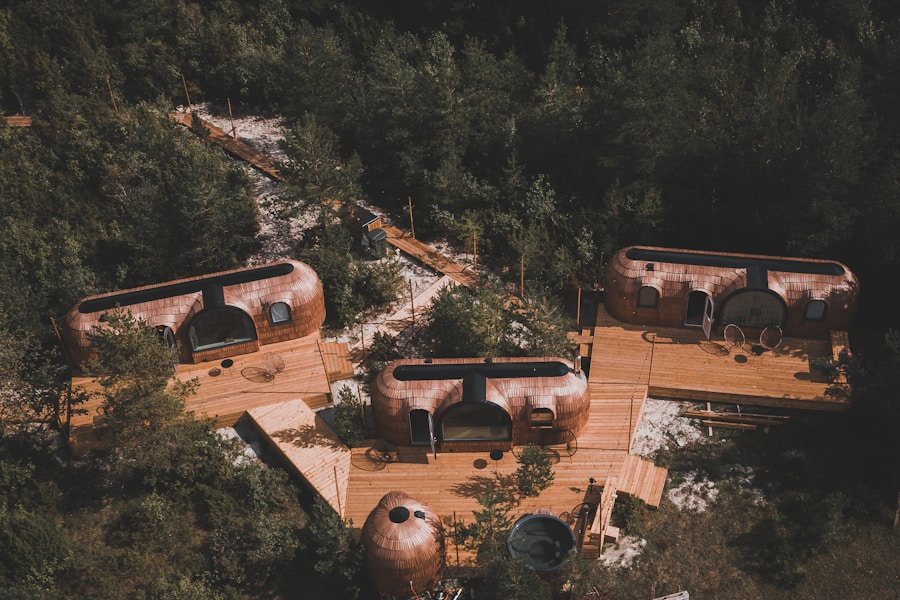
Medical wellness tourism, often referred to as health tourism or medical tourism with a wellness focus, involves individuals traveling to a different location, either domestically or internationally, to receive medical care or wellness treatments that are not readily available or are more affordable in their home country. This specific niche within tourism distinguishes itself by integrating conventional medical treatments with holistic wellness practices, aiming for a comprehensive improvement in an individual’s physical, mental, and emotional state. Unlike traditional tourism centered on leisure, medical wellness tourism prioritizes health outcomes and personal rejuvenation.
The global landscape of medical wellness tourism has expanded significantly, driven by several factors. These include rising healthcare costs in many developed nations, increased access to information about international healthcare providers, and a growing recognition of the interconnectedness of physical health and mental well-being. Furthermore, advancements in medical technology and the globalization of medical standards have made specialized treatments and wellness programs accessible across borders.
The Holistic Approach to Well-being
Medical wellness tourism operates on a principle of holistic well-being, recognizing that health is not merely the absence of disease but a state of complete physical, mental, and social well-being. This perspective underpins the design of programs that address various facets of an individual’s health.
Integrating Medical Treatments with Wellness Therapies
A key characteristic of medical wellness tourism is the integration of traditional medical interventions with alternative or complementary wellness therapies. For example, a person undergoing orthopedic rehabilitation might also engage in yoga and meditation sessions to aid in recovery and stress reduction. This blend aims to accelerate healing and foster a more resilient health outlook. The medical aspects can range from elective surgeries and dental procedures to chronic disease management and diagnostic screenings. These are often complemented by therapies such as physiotherapy, nutritional counseling, and psychological support.
Addressing Lifestyle and Environmental Factors
Many medical wellness programs extend beyond clinical settings, incorporating elements that address lifestyle and environmental factors influencing health. This can include guidance on diet, exercise, stress management, and even exposure to natural environments known for their therapeutic properties. The idea is to equip individuals with tools and knowledge to maintain their well-being long after their return home, thereby acting as a preventative measure against future health issues.
Benefits for Physical Health
The primary driver for many participants in medical wellness tourism is the pursuit of improved physical health. This can manifest in various forms, from addressing specific ailments to proactive preventative care.
Access to Specialized Treatments and Technologies
One significant advantage is access to specialized medical treatments and cutting-edge technologies that may be unavailable or have long waiting lists in one’s home country. This might include advanced diagnostic imaging, innovative surgical techniques, or experimental therapies. Countries specializing in particular medical fields often attract patients seeking these specific interventions. For example, some destinations are renowned for their cardiovascular surgery expertise, while others excel in fertility treatments or oncology.
Cost-Effectiveness and Quality of Care
For many, financial considerations play a crucial role. Medical procedures and wellness programs in certain countries can be significantly more affordable than in their home nations, even when accounting for travel and accommodation expenses. However, cost-effectiveness is not pursued at the expense of quality. Reputable medical wellness destinations often boast internationally accredited hospitals, highly qualified medical professionals, and stringent regulatory oversight, ensuring a high standard of care. Patients often conduct extensive research, consulting international accreditation bodies and patient reviews to ensure that the chosen facility meets their expectations for quality and safety.
Proactive Health Management and Prevention
Beyond addressing existing health issues, medical wellness tourism increasingly focuses on proactive health management and disease prevention. This includes comprehensive health check-ups, genetic testing, anti-aging treatments, and personalized wellness plans. These programs are designed to identify potential health risks early, allowing for timely interventions and lifestyle modifications. The emphasis is on empowering individuals to take an active role in maintaining their health, rather than simply reacting to illness.
Mental and Emotional Rejuvenation
The benefits of medical wellness tourism extend beyond the physical, deeply impacting mental and emotional well-being. The change in environment, combined with targeted therapies, can be a potent formula for reducing stress and fostering inner peace.
Stress Reduction and Mental Clarity
The act of traveling away from one’s daily routine itself can be a powerful stress reducer. Removing oneself from the usual stressors of work, social obligations, and mundane tasks creates a mental space conducive to relaxation and introspection. Medical wellness programs often incorporate practices like mindfulness meditation, yoga, and psychotherapy, which are specifically designed to reduce stress, manage anxiety, and improve emotional regulation. These practices can help individuals gain perspective, develop coping mechanisms, and cultivate a sense of inner calm. The serene environments often chosen for these facilities, such as beachfront resorts or mountain retreats, further contribute to a tranquil atmosphere.
Enhancing Emotional Resilience
By engaging in therapies that address emotional blockages, individuals can enhance their emotional resilience. This might involve counseling, art therapy, or group workshops focused on building self-esteem and improving interpersonal relationships. The supportive environment of a wellness retreat, often shared with others undergoing similar journeys, can foster a sense of community and understanding, further aiding emotional healing. The journey often becomes a crucible for personal growth, forging a stronger self within its transformative heat.
Digital Detox and Mindfulness
Many wellness programs advocate for a “digital detox,” encouraging participants to disconnect from electronic devices. This intentional separation from constant digital stimulation allows for a deeper engagement with the present moment and a more profound connection with one’s surroundings and inner self. In this quietude, the cacophony of daily life recedes, allowing the whispers of one’s own thoughts and feelings to be heard. This can significantly contribute to mental clarity and a renewed sense of focus.
The Role of Environment and Culture
The destination itself plays a crucial role in the overall medical wellness tourism experience. The environment and cultural context can significantly enhance the healing and rejuvenation process.
Therapeutic Natural Environments
Many medical wellness centers are strategically located in environments known for their therapeutic qualities. Coastal regions offer the calming rhythm of waves, mountain valleys provide crisp, clean air and breathtaking views, and mineral-rich springs are sought after for their purported healing properties. These natural settings are not merely backdrops; they are active participants in the healing process, offering a balm to the senses and a break from urban congestion. The natural world acts as a silent therapist, its rhythms and beauty subtly guiding the individual towards equilibrium.
Cultural Immersion and Unique Practices
Some destinations integrate local cultural practices into their wellness offerings. This could include traditional medicine systems like Ayurveda in India, Traditional Chinese Medicine (TCM), or indigenous healing rituals. Engaging with these unique cultural practices can provide a fresh perspective on health and well-being, enriching the overall experience beyond purely medical benefits. It’s an opportunity to step outside one’s familiar worldview and embrace alternative paths to health, expanding the individual’s understanding of wellness. This cultural exchange can be a potent ingredient in the recipe for rejuvenation.
Post-Treatment Leisure and Exploration
Unlike purely medical tourism, medical wellness tourism often incorporates opportunities for leisure and exploration post-treatment. This allows individuals to gradually re-immerse themselves in recreational activities, explore the local culture, and solidify the positive changes they have experienced. This transition phase is crucial for integrating new habits and maintaining a sense of well-being before returning to daily life. It allows the individual to “test drive” their renewed vitality in a relaxed setting, building confidence.
Considerations and Planning
Embarking on a medical wellness journey requires careful consideration and thorough planning to ensure a safe, effective, and rewarding experience.
Researching Destinations and Providers
Prospective participants must conduct extensive research into potential destinations and healthcare providers. This involves evaluating the credentials of medical professionals, the accreditation of facilities, patient safety records, and the comprehensive nature of wellness programs. Utilizing independent review sites, health tourism facilitators, and consulting with one’s local physician are essential steps. A surgeon’s expertise, a clinic’s cleanliness, or a therapist’s qualifications are not mere details; they are cornerstones of a successful outcome.
Understanding Costs and Insurance Coverage
A clear understanding of all associated costs is paramount. This includes medical procedures, wellness therapies, accommodation, travel, and any additional expenses. It is also crucial to investigate whether one’s existing health insurance policy covers international medical treatments or wellness programs. Many insurance providers do not, necessitating private travel insurance or specific medical tourism insurance. Failing to clarify these financial aspects can transform a rejuvenating journey into a stressful ordeal.
Logistical Preparations and Support
Logistical preparations involve securing appropriate visas, arranging transportation, and considering language barriers. For medical procedures, it is important to have a plan for post-treatment recovery, which may include extended stays or follow-up care. Reputable medical wellness facilitators often assist with these arrangements, ensuring a seamless experience. Having a support system, whether it’s a travel companion or readily accessible logistical assistance, can significantly alleviate potential anxieties.
Follow-up Care and Integration
The success of a medical wellness journey is significantly influenced by the integration of its benefits into one’s daily life upon return. This necessitates careful planning for follow-up care, whether it’s continued physiotherapy, dietary adherence, or ongoing mindfulness practices. The goal is not merely a temporary fix but a sustained improvement in health and well-being. A successful medical wellness journey plants seeds of change; the individual must then cultivate these seeds in the fertile ground of their daily existence.
In conclusion, medical wellness tourism presents a compelling pathway to comprehensive rejuvenation. By blending advanced medical care with holistic wellness practices, set against the backdrop of therapeutic environments and diverse cultures, it offers individuals a unique opportunity to mend their physical bodies, soothe their minds, and rekindle their spirits. This intentional approach to health empowers individuals to become active participants in their well-being, moving beyond fragmented care towards an integrated and sustainable vision of health.