
The global food system faces multifaceted challenges, including resource depletion, waste generation, and climate change. Circular food innovation, a framework emphasizing resource efficiency and waste minimization, offers potential solutions. This article examines the approaches to circular food innovation in two distinct urban environments: Jakarta, Indonesia, and Melbourne, Australia. By comparing their strategies, successes, and ongoing challenges, we can gain insights into the diverse pathways toward a more sustainable food future.
Understanding Circular Food Innovation
Circular food innovation redefines the linear “take-make-dispose” model of food production and consumption. Instead, it seeks to keep resources in use for as long as possible, extract the maximum value from them while in use, and recover and regenerate products and materials at the end of their service life. This concept encompasses various strategies, from agricultural practices that regenerate soil to advanced waste recovery systems.
Key Principles of Circularity in Food Systems
Several core principles underpin circular food innovation. These principles guide the design and implementation of circular strategies across the food value chain.
Regenerate Natural Systems
This principle focuses on returning nutrients to the soil and promoting biodiversity. Practices such as agroecology, regenerative agriculture, and permaculture are central to this. For example, composting food waste not only diverts material from landfills but also enriches agricultural land.
Design Out Waste and Pollution
Waste and pollution are not unintended byproducts but design flaws in a linear system. A circular approach aims to eliminate them from the outset. This involves optimizing product design, packaging choices, and supply chain logistics to reduce waste generation.
Keep Products and Materials in Use
This principle emphasizes extending the lifespan of food products and their components. This can involve repurposing, upcycling, or redistributing surplus food. Initiatives like food banks and community fridges exemplify this, ensuring edible food reaches those in need rather than being discarded.
Jakarta’s Approach to Circular Food Innovation
Jakarta, a megacity with a rapidly growing population and significant food security concerns, faces particular pressures regarding food waste and resource management. Its approach to circular food innovation often reflects a blend of formal policy initiatives and emergent community-led efforts.
Government Initiatives and Policy Frameworks
The Indonesian government acknowledges the importance of sustainable development, including food systems. However, comprehensive national or city-level policies specifically dedicated to circular food innovation are still evolving.
Waste Management Regulations
Jakarta has implemented regulations aimed at reducing municipal solid waste, which includes a substantial proportion of food waste. These regulations often focus on source separation and the development of composting facilities. The capacity for these facilities to process the volume of waste generated remains a challenge.
Food Security Programs
While not exclusively circular, government programs addressing food security often have circular implications. Initiatives promoting urban farming or local food production reduce transport emissions and create a more resilient food supply chain, aligning with principles of localized circularity.
Community-Led Circularity
In the absence of extensive top-down circular food innovation policies, community initiatives play a significant role in Jakarta. These grassroots efforts often demonstrate creative solutions to food waste and resource management.
Urban Farming Projects
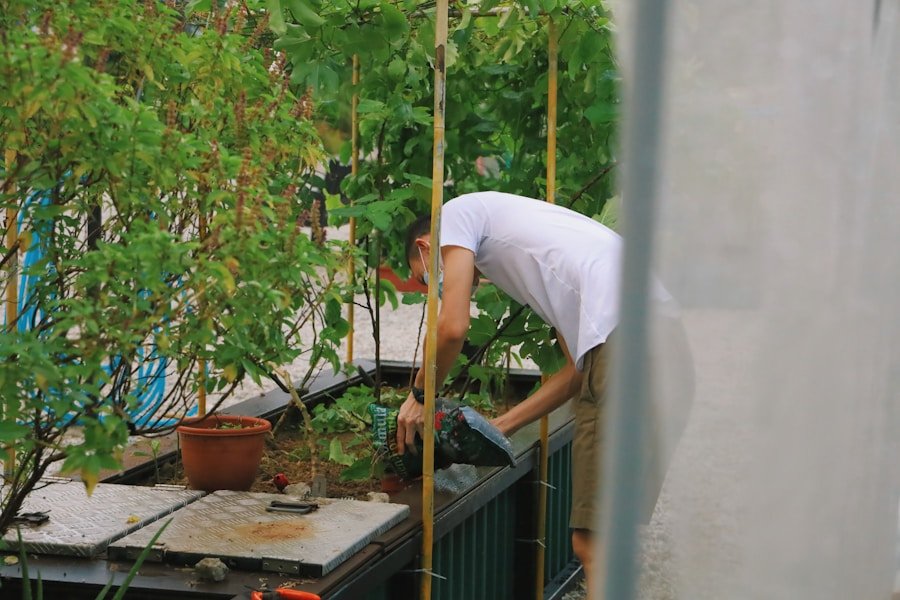
Numerous community-led urban farming initiatives have emerged across Jakarta. These projects convert underutilized spaces into productive gardens, often utilizing composted food waste as fertilizer. This shortens supply chains and fosters community resilience.
Food Waste Collection and Composting
Local communities and informal waste pickers often engage in the collection and composting of organic waste. These decentralized systems, while sometimes lacking formal recognition, contribute substantially to diverting food waste from landfills. They represent a “living network” of resource recovery.
Food Redistribution Networks
Informal networks and non-governmental organizations facilitate the redistribution of surplus food from markets, restaurants, and events to vulnerable populations. These actions reduce waste and address food insecurity in a practical manner.
Melbourne’s Approach to Circular Food Innovation
Melbourne, recognized globally for its liveability, has a more developed policy and infrastructure framework to support circular economy principles, including those pertaining to food. The city’s approach often features collaboration between government, academia, and industry.
Policy and Infrastructure for Circularity
Victorian and local government bodies in Melbourne have actively pursued policies and investments to transition towards a circular economy.
Victorian Circular Economy Policy
The Victorian government has a dedicated circular economy policy that sets targets for waste reduction and resource recovery. This overarching framework provides institutional support for circular food initiatives, encouraging businesses and individuals to adopt circular practices.
Advanced Waste Processing Facilities
Melbourne has invested in advanced waste processing infrastructure, including anaerobic digestion plants. These facilities convert organic waste, including food waste, into biogas (a renewable energy source) and nutrient-rich digestate that can be used as fertilizer. This “closed loop” process minimizes waste and maximizes resource recovery.
Food Waste to Energy Projects
Specific projects focus on diverting commercial and industrial food waste to energy generation facilities. These initiatives foster partnerships between waste management companies, food businesses, and energy providers, creating economic incentives for circular practices.
Research and Innovation Hubs
Melbourne benefits from a strong academic and research sector that actively explores and develops circular food solutions.
University Research Programs
Universities in Melbourne conduct extensive research into sustainable food systems, novel food processing techniques that minimize waste, and innovative packaging solutions. This academic environment acts as an incubator for next-generation circular practices.
Industry Collaboration and Startups
There is a growing ecosystem of startups and established businesses in Melbourne collaborating on circular food innovation. These range from companies developing alternative proteins from food waste to those creating circular packaging solutions. This “melting pot” of innovation drives practical applications.
Comparative Analysis: Jakarta vs. Melbourne
Comparing Jakarta and Melbourne reveals distinct pathways and emergent lessons in circular food innovation. While both cities aim for resource efficiency, their starting points, cultural contexts, and institutional capacities lead to different strengths and challenges.
Resource Availability and Constraints
Jakarta’s informal sector plays a crucial role in waste management, often driven by necessity and livelihood. This decentralized, adaptable system, while less formalized, captures resources that might otherwise be lost. Melbourne, conversely, relies on high-tech infrastructure and formalized systems.
Informal vs. Formal Recovery
In Jakarta, individual waste pickers and community groups form the backbone of organic waste recovery. This approach is resource-light but can lack standardization and scalability. Melbourne’s approach leans on significant capital investment in centralized facilities, offering efficiency but requiring substantial initial outlay.
Land Use and Urban Density
Jakarta’s high urban density presents challenges for large-scale centralized composting or processing facilities. This often necessitates localized, community-based solutions. Melbourne, with more available land, can implement larger infrastructural projects and integrate them with urban planning.
Policy and Regulatory Landscapes
The regulatory frameworks in each city reflect different stages of development and priorities regarding circular food.
Emerging vs. Established Policy
Jakarta’s policy landscape for circular food innovation is still emerging, often focusing on general waste reduction. This provides opportunities for flexible, innovative approaches but can also lead to fragmented efforts. Melbourne has a more established and comprehensive policy framework, offering clear guidelines and incentives for circular practices.
Enforcement and Incentives
In Melbourne, policy often includes incentives for businesses to adopt circular practices and penalties for non-compliance. In Jakarta, enforcement can be a challenge, and formal incentives for circularity are less prevalent, leading to a greater reliance on voluntary or community-driven efforts.
Economic and Social Factors
Economic development and social capital influence the capacity and approach to circular food innovation.
Economic Drivers
In Jakarta, economic drivers for circularity are often linked to informal livelihoods and resource scarcity. The motivation is direct and tangible. In Melbourne, economic drivers include corporate social responsibility, market demand for sustainable products, and the pursuit of new business models.
Community Engagement and Education
Both cities demonstrate community engagement, albeit in different forms. Jakarta’s engagement often stems from immediate needs and local organization. Melbourne benefits from public awareness campaigns and educational programs promoting responsible consumption and waste management. This “public consciousness” is a key asset.
Challenges and Opportunities
| Metrics | Jakarta | Melbourne |
|---|---|---|
| Population | 10,562,088 | 5,078,193 |
| Food Waste (per capita) | 300 kg | 250 kg |
| Urban Agriculture Initiatives | 25 | 40 |
| Food Recycling Programs | 10 | 15 |
Both Jakarta and Melbourne face unique challenges and opportunities in their pursuit of circular food innovation. Understanding these can inform future strategies and foster cross-city learning.
Scaling Up Circular Initiatives
A primary challenge for both cities is scaling up successful pilot projects into city-wide systems.
Infrastructure Development
Jakarta needs significant investment in formal infrastructure for organic waste processing and logistics. This includes collection systems, composting facilities, and anaerobic digestors that can handle the sheer volume of waste. Melbourne, while having advanced infrastructure, faces challenges in optimizing its utilization and integrating smaller-scale innovations into the broader system.
Behavioral Change
Encouraging widespread behavioral change in both cities remains critical. This includes consumer choices, industry practices, and public participation in waste separation and resource recovery. Education and consistent messaging are “the engines” of this transformation.
Bridging the Formal-Informal Divide
In Jakarta, integrating the informal waste sector into formal circular economy strategies presents both a challenge and an opportunity. Acknowledging and supporting informal resource recovery agents can enhance efficiency and provide sustainable livelihoods.
Policy Integration
Developing policies that recognize, integrate, and empower informal actors can strengthen Jakarta’s circular food efforts. This involves providing training, access to resources, and fair compensation. Ignoring this “undercurrent” of activity is a missed opportunity.
Technology Adoption
Introducing appropriate technologies that complement existing informal practices, rather than replacing them, could accelerate circularity in Jakarta. This might involve localized composting technologies adaptable to community settings.
Conclusion
Circular food innovation is not a one-size-fits-all solution; its implementation varies significantly based on local contexts. Jakarta and Melbourne offer contrasting yet equally valuable case studies. Jakarta’s reliance on community-led initiatives and its informal sector demonstrates resilience and adaptability in resource-constrained environments, acting as a “guerrilla force” against waste. Melbourne showcases the potential of robust policy frameworks, advanced infrastructure, and widespread public engagement.
By observing these two cities, readers can appreciate that progress toward a circular food system can be achieved through diverse pathways. While Melbourne may be considered further along the structured circular economy path, Jakarta’s grassroots innovations provide vital lessons in resourcefulness and community empowerment. The future of global food systems will likely draw upon hybrid models, combining formal policy and infrastructure with vibrant, community-driven circular practices. Continued exchange of knowledge and best practices between cities such as Jakarta and Melbourne will be instrumental in navigating the complex transition to a truly circular food future.