
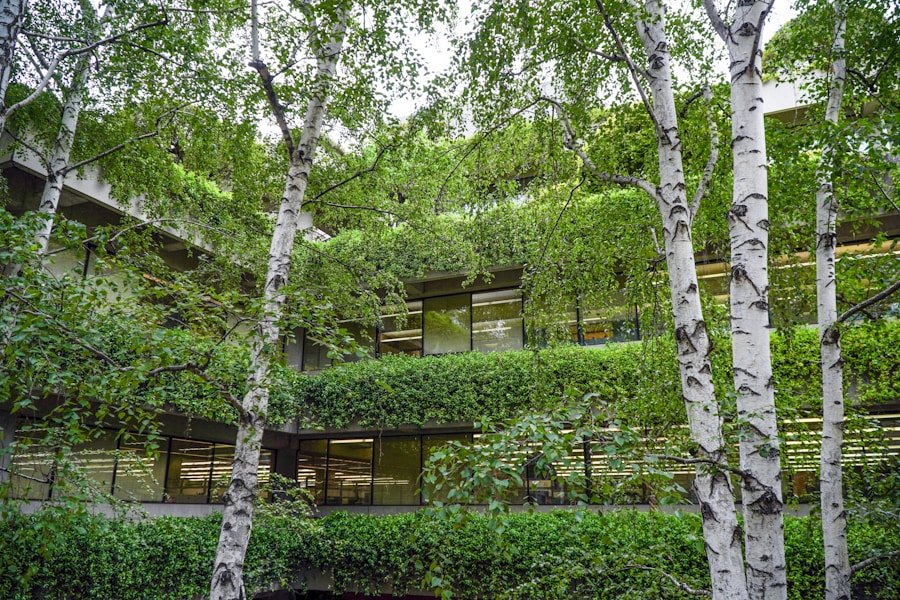
The growing interest in sustainable practices has extended to the hospitality industry, particularly within urban and peri-urban centers. This article explores eco-boutique hotels in Jakarta, Indonesia, and Antipolo City, Philippines, focusing on their integration of style and environmental responsibility. These establishments offer accommodations that prioritize both aesthetic appeal and ecological consciousness, diverging from conventional hospitality models.
Defining the Eco-Boutique Hotel
An eco-boutique hotel distinguishes itself through a commitment to environmental stewardship combined with a curated guest experience. Unlike larger hotel chains, boutique hotels often possess a unique character, frequently reflecting local culture or a specific design philosophy. When “eco” is appended, this character is interwoven with sustainable operations and design principles.
Core Principles of Eco-Boutique Hotels
These establishments typically adhere to several operational tenets:
- Resource Efficiency: This encompasses strategies such as water conservation (low-flow fixtures, rainwater harvesting), energy efficiency (solar panels, LED lighting, optimized HVAC systems), and waste reduction (recycling programs, composting, minimal single-use plastics).
- Local Sourcing: Preference is given to suppliers and materials from the immediate region, supporting local economies and minimizing carbon footprints associated with transportation. This extends to food procurement, building materials, and artisanal decorations.
- Biophilic Design: The integration of natural elements into architectural design and interior spaces is a common feature. This can involve abundant natural light, indoor greenery, water features, and the use of natural, sustainable building materials like bamboo or reclaimed wood.
- Community Engagement: Many eco-boutique hotels actively participate in and contribute to their local communities, often through employment opportunities, cultural preservation programs, or educational initiatives.
- Guest Education: Informing guests about sustainable practices and encouraging participation in eco-friendly initiatives is often part of the guest experience. This might involve signage regarding linen reuse programs or information about local ecosystems.
Jakarta: Urban Oases of Sustainability
As a dense metropolitan area, Jakarta faces significant environmental challenges. Eco-boutique hotels here often serve as pockets of green within the urban landscape, demonstrating that sustainable design can thrive even in bustling city environments.
The Dharmawangsa Jakarta
While a luxury hotel rather than a strictly boutique establishment, The Dharmawangsa Jakarta integrates significant eco-conscious practices within its extensive grounds. Its design draws inspiration from traditional Javanese architecture, emphasizing natural ventilation and light.
- Architectural Integration: The hotel’s layout incorporates open-air corridors and courtyards, minimizing reliance on artificial cooling. Roof gardens and extensive landscaping contribute to microclimate regulation.
- Waste Management: A comprehensive waste segregation and recycling program is in place. Food waste is often composted for use in the hotel’s gardens.
- Water Conservation: Advanced water management systems are used to reduce consumption, including efficient laundry practices and water-saving fixtures in guest rooms.
- Local Art and Craftsmanship: The interior design features a substantial collection of Indonesian art and handcrafted furnishings, supporting local artisans and preserving cultural heritage. This approach minimizes the need for imported décor.
The Gunawarman
Located in South Jakarta, The Gunawarman offers a more intimate scale, emphasizing sophisticated design with a subtle nod to sustainability. Its commitment lies more in material selection and thoughtful consumption.
- Sustainable Materials: The hotel utilizes natural stone, dark woods, and high-quality textiles sourced with consideration for origin. Furniture pieces are often bespoke, reducing mass production waste.
- Energy Efficiency Through Design: Large windows maximize natural light. Guest rooms are equipped with energy-efficient climate control systems.
- Culinary Sustainability: Their dining establishments often prioritize seasonal ingredients and offer options reflecting a farm-to-table philosophy, albeit on an urban scale. Guests may find that the menu reflects the availability of fresh local produce.
Antipolo City: Hillside Retreats with Green Credentials
Antipolo City, situated on the western slopes of the Sierra Madre mountains, offers a cooler climate and lush landscapes, making it a natural setting for eco-friendly retreats. Here, the integration with nature is often more overt.
Pinto Art Museum and Galleries (with Accommodation)
While primarily an art museum, Pinto Art Museum offers a limited number of accommodations that embody an eco-conscious aesthetic. The entire complex is a testament to biophilic design.
- Nature-Integrated Architecture: Structures are seamlessly integrated into the natural contours of the hillside. Open-air galleries, lush gardens, and reflecting pools create a fluid transition between indoor and outdoor spaces.
- Natural Ventilation and Light: The design capitalizes on Antipolo’s cooler climate, using strategically placed openings to allow for cross-ventilation. Artificial lighting is minimized during the day.
- Local Materials and Craftsmanship: Buildings incorporate indigenous materials like stone and wood, often repurposed or locally sourced. Artworks displayed throughout highlight Filipino artistry. The overall effect is one of being within, rather than merely beside, the natural environment.
- Water Features: Numerous water features and pools enhance the cooling effect and create a serene ambiance, also providing habitats for local flora and fauna.
Luljetta’s Hanging Gardens and Spa
This resort prioritizes wellness and relaxation within a natural setting. Its eco-focus is evident in its land use planning and emphasis on indigenous flora.
- Minimal Land Disturbance: The development is designed to harmonize with the existing topography, minimizing excavation and retaining natural slopes. Terraced gardens are a prominent feature.
- Indigenous Landscaping: The gardens feature a variety of native plants, promoting local biodiversity and reducing the need for extensive irrigation, as these plants are adapted to the local climate.
- Water Management: The spa facilities likely employ systems to manage water consumption, although specific details may require direct inquiry. Guests will notice the abundant use of natural springs and waterfalls within the property.
- Sustainable Construction Practices: While not explicitly branded as an eco-hotel, the construction materials often lean towards natural and locally available options, contributing to a lower environmental impact. The aesthetic emphasizes natural stone and wood.
Evaluating “Eco-Chic”: The Balance of Style and Substance
The term “eco-chic” implies a successful fusion of environmental responsibility and design sophistication. For the discerning traveler, it’s not enough for a hotel to be green; it must also offer a compelling aesthetic and guest experience.
Beyond Greenwashing: Verifying Claims
As a guest, it is important to look beyond marketing claims. While many hotels now promote eco-friendly practices, the depth of their commitment varies.
- Certifications: Look for recognized third-party certifications (e.g., LEED, Green Key, EarthCheck), which provide independent verification of sustainability efforts. While not universal in Southeast Asia, their presence indicates a serious approach.
- Tangible Actions: Observe the visible efforts. Are there recycling bins in rooms? Is water served in reusable bottles? Do staff seem knowledgeable about the hotel’s eco-initiatives?
- Transparency: Reputable eco-hotels are often transparent about their practices, sometimes publishing sustainability reports or detailed information on their websites.
The Future of Sustainable Hospitality
| Hotel Name | Location | Green Rating | Room Rates |
|---|---|---|---|
| Greenhost Boutique Hotel | Yogyakarta, Indonesia | 4.5/5 | Starting from 80 |
| Alamanda Resort | Antipolo City, Philippines | 4/5 | Starting from 100 |
| Hotel Tugu Malang | Malang, Indonesia | 5/5 | Starting from 150 |
These examples in Jakarta and Antipolo City represent a growing trend. As environmental awareness increases, so does the demand for accommodations that align with sustainable values.
Challenges and Opportunities
The path to full sustainability in the hospitality sector is not without obstacles.
- Cost of Implementation: Initial investments in renewable energy, water recycling systems, and sustainable materials can be substantial.
- Supply Chain Management: Sourcing all materials and products sustainably, especially in complex supply chains, presents ongoing challenges.
- Balancing Luxury and Efficiency: Maintaining a high level of guest comfort and luxury while simultaneously minimizing resource consumption requires innovative solutions. For example, guests expect comfortable room temperatures, which can conflict with energy-saving goals if not managed intelligently.
However, opportunities abound. Eco-boutique hotels can differentiate themselves in a competitive market, attract environmentally conscious travelers, and contribute positively to their local environments and communities. They are not merely places to sleep; they are expressions of a philosophy, demonstrating that luxurious living and ecological responsibility can coexist. For those seeking accommodations that are both aesthetically pleasing and ethically sound, these establishments offer a compelling choice, proving that good design needn’t come at the expense of the planet.