
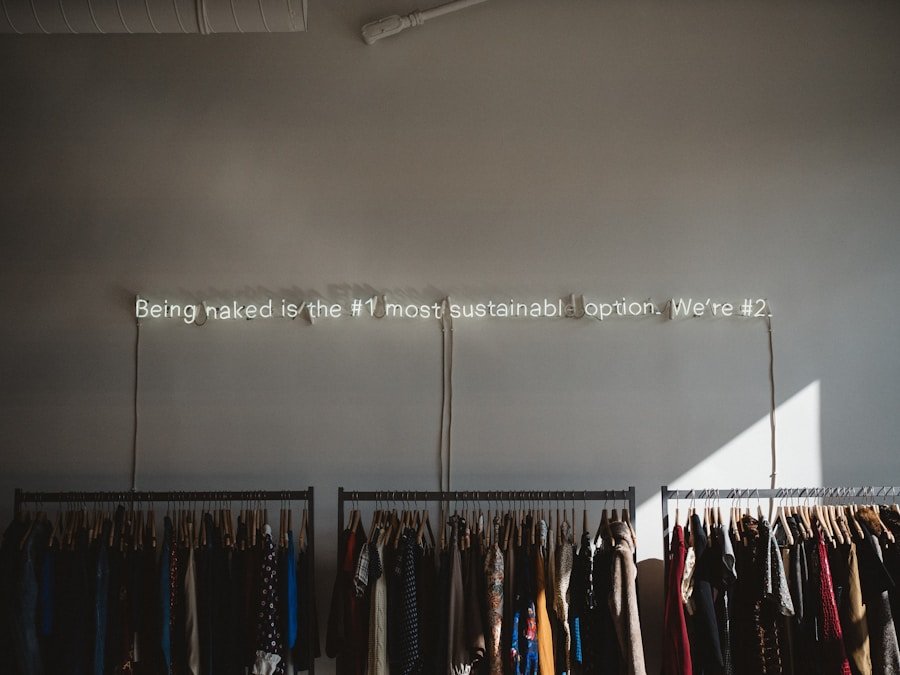
This article explores circular fashion brands operating in Dubai and Melbourne, two cities with distinct environmental contexts and burgeoning sustainable fashion scenes. Circular fashion, a model that aims to keep resources in use for as long as possible, extracting the maximum value from them whilst in use, then recovering and regenerating products and materials at the end of each service life, stands in contrast to the traditional linear model of “take-make-dispose.” This exploration focuses on brands that actively integrate principles of durability, repair, reuse, remanufacturing, and recycling into their business practices.
The Growing Landscape of Circular Fashion
The concept of circularity in fashion is gaining traction globally. Driven by increasing awareness of the environmental impact of textile production and disposal, consumers and brands alike are seeking alternatives to fast fashion. This shift is not merely an ethical consideration; it is also an economic imperative. The Ellen MacArthur Foundation estimates that adopting circular economy principles could unlock $560 billion in value annually for the fashion industry.
Understanding Circular Fashion Principles
Circular fashion operates on several key pillars, each contributing to a closed-loop system. These principles aim to minimize waste and maximize the lifespan of garments and their constituent materials.
Designing for Longevity and Durability
A foundational aspect of circular fashion is the intentional design of garments for extended use. This involves selecting high-quality materials that withstand wear and tear, employing robust construction techniques, and creating timeless designs that are less susceptible to fleeting trends. Brands that prioritize longevity reduce the frequency with which consumers need to purchase new items, thereby decreasing overall resource consumption.
Promoting Repair and Maintenance
The active encouragement and provision of repair services are crucial. This allows consumers to extend the life of their existing garments rather than discarding them. Such services can range from simple mending to more comprehensive restructuring of clothing, fostering a relationship between the consumer and their clothing that transcends immediate utility.
Facilitating Reuse and Secondhand Markets
The secondhand market is a vital component of circular fashion, enabling garments to find new owners and continue their lifecycle. This can manifest through curated vintage stores, online resale platforms, or direct brand-led take-back and resale initiatives. By giving pre-loved items a second chance, the demand for newly produced garments is reduced.
Embracing Remanufacturing and Upcycling
Remanufacturing involves disassembling garments and using the recovered components to create new products. Upcycling takes existing garments or textile waste and transforms them into items of higher value or quality. Both processes divert materials from landfill and give them a new purpose, breathing new life into discarded resources.
Developing Innovative Recycling Solutions
Where other avenues are exhausted, effective recycling is the final resort. This involves breaking down textile fibers into their constituent materials for re-use in new textiles or other products. The development and implementation of advanced textile recycling technologies are accelerating, offering a pathway to close the loop on materials that cannot be otherwise salvaged.
Dubai: Nurturing Circularity in a Growing Metropolis
Dubai, a city known for its rapid development and high consumption rates, is beginning to cultivate a significant presence in the circular fashion space. The city’s ambition to become a global hub for innovation and sustainability is reflected in the emergence of brands committed to these principles, often navigating the challenges of a market accustomed to newness and luxury.
Brands Leading the Way in Dubai
The following brands represent a segment of Dubai’s burgeoning circular fashion ecosystem, showcasing diverse approaches to sustainability.
Brand A: Focus on Upcycled Luxury
Brand A operates on the premise that luxury and sustainability are not mutually exclusive. They meticulously source pre-consumer and post-consumer textile waste, often high-end fabrics from designer overstock or discarded garment sections of garment factories. These materials are then painstakingly transformed into unique, contemporary pieces. Their design process prioritizes adaptability and modularity, allowing garments to potentially be deconstructed and remade again in the future.
- Sourcing and Material Selection
Brand A’s commitment begins with its sourcing strategy. They have established relationships with local textile manufacturers and design houses to acquire deadstock fabrics and production offcuts. This allows them to intercept materials before they enter the waste stream. Their selection criteria extend beyond fabric type to include the potential for future reuse and recyclability of the materials.
- Design Philosophy and Longevity
The design philosophy at Brand A champions versatility. Garments are often designed with adjustable elements or can be worn in multiple ways. This increases their utility and encourages longer-term ownership. The construction techniques employed are also durable, ensuring that the pieces can endure regular wear and potential alterations.
- Consumer Engagement and Education
Brand A actively engages its customer base through educational initiatives. They host workshops on textile upcycling and garment care, empowering consumers to extend the life of their own clothing. This fosters a community around the brand’s ethos and promotes a more conscious approach to fashion consumption.
Brand B: Pioneering Rental and Resale Models
Brand B has carved out a niche by focusing on the rental and resale of designer and occasion wear. Recognizing the limited use of many formal garments, they offer a sustainable alternative to outright purchase. Their platform allows consumers to access high-quality fashion for specific events, thereby reducing the economic and environmental burden of single-use wardrobes.
- The Rental Ecosystem
The rental model employed by Brand B is a direct counter to the disposable nature of occasion wear. Customers can browse a curated collection of garments, select an item for a specific period, and return it. The brand manages the cleaning, maintenance, and repair of these items, ensuring they are available for subsequent rentals.
- Curated Resale Platform
Complementing their rental service, Brand B also operates a curated resale platform. This allows individuals to sell pre-loved designer clothing, extending the lifecycle of these garments. The platform vets items for quality and authenticity, building trust within the secondhand market.
- Impact on Reducing Fashion Waste
The impact of Brand B’s model is significant in reducing the overall demand for new garment production for occasional use. By facilitating shared access to clothing, they contribute to lower resource consumption and waste generation within the fashion industry.
Brand C: Emphasizing Sustainable Materials and Local Production
Brand C is dedicated to creating everyday wear from sustainably sourced and organic materials. Their production process emphasizes minimal waste and ethical manufacturing practices. They also focus on building a strong local supply chain within the UAE where possible.
- Commitment to Organic and Recycled Textiles
Brand C prioritizes the use of materials such as organic cotton, linen, and recycled polyester. Their sourcing team meticulously vets suppliers to ensure ethical labor practices and environmental responsibility within their supply chains.
- Localized Manufacturing and Reduced Footprint
By focusing on localized production, Brand C aims to minimize the carbon footprint associated with transportation. They work with local garment manufacturers, fostering economic growth within the UAE and ensuring greater oversight of their production processes.
- Transparency in the Supply Chain
Transparency is a cornerstone of Brand C’s operations. They provide detailed information about the origin of their materials and the locations of their manufacturing facilities, allowing consumers to make informed choices.
Melbourne: A City Embracing Sustainable Style
Melbourne, often lauded for its progressive environmental policies and vibrant independent fashion scene, offers a fertile ground for circular fashion brands. The city’s conscious consumer base and supportive ecosystem for small businesses have allowed innovative sustainable models to flourish.
Brands Making a Difference in Melbourne
Melbourne’s circular fashion landscape is characterized by a strong emphasis on artisanal craftsmanship, innovative material use, and community-driven initiatives.
Brand D: Artisanal Craftsmanship and Natural Dyes
Brand D is a testament to the power of traditional techniques in a modern context. They specialize in hand-dyed garments using natural dyes derived from plants and minerals, and employ artisanal construction methods. Their pieces are designed for longevity, often featuring classic silhouettes that transcend seasonal trends.
- The Art of Natural Dyeing
The use of natural dyes by Brand D is central to their sustainable ethos. These dyes are derived from renewable resources and have a significantly lower environmental impact compared to synthetic dyes, which can release harmful chemicals into waterways. The dyeing process itself is often a slower, more mindful technique.
- Handcrafted Durability
Each garment from Brand D is handcrafted, emphasizing quality and attention to detail. This artisanal approach ensures that the clothing is not only aesthetically pleasing but also built to last, encouraging consumers to invest in pieces that will be cherished for years.
- Timeless Design Principles
Brand D’s design aesthetic leans towards timelessness. They create versatile pieces that can be easily integrated into existing wardrobes and styled in various ways, promoting a philosophy of mindful consumption and reducing the appeal of fast-fashion trends.
Brand E: Pioneering Textile Recycling and Upcycling Workshops
Brand E is a community-focused initiative that actively promotes textile recycling and upcycling. They operate a physical space where individuals can bring their unwanted clothing for repair, alteration, or creative transformation. They also host workshops teaching valuable skills in mending, upcycling, and sustainable garment care.
- Community Textile Hub
Brand E functions as a vital hub for textile reuse in Melbourne. By providing a convenient and accessible drop-off point for unwanted garments, they divert significant amounts of clothing from landfill. This collected material is then either repaired, upcycled within their workshops, or distributed to other recycling initiatives.
- Skill-Building through Workshops
The educational component of Brand E is crucial to fostering a culture of circularity. Their workshops empower individuals with the practical skills needed to extend the life of their clothing, from basic mending to more advanced upcycling techniques. This fosters a sense of agency and personal responsibility towards fashion consumption.
- Collaborative Upcycling Projects
Brand E often engages in collaborative upcycling projects, partnering with local artists and designers. These projects showcase the innovative potential of discarded textiles and raise awareness about the possibilities of circular fashion.
Brand F: Ethical Production and Biodegradable Materials
Brand F is committed to ethical production and the use of biodegradable materials. They ensure fair labor practices throughout their supply chain and meticulously select materials that will naturally decompose at the end of their life cycle, minimizing long-term environmental impact.
- Fair Labor and Ethical Manufacturing
Brand F places a strong emphasis on ensuring fair wages, safe working conditions, and respectful treatment for all individuals involved in the production of their garments. They often work with smaller, ethically certified factories.
- The Promise of Biodegradability
The core of Brand F’s material innovation lies in their commitment to biodegradability. They utilize natural fibers that can be composted, returning valuable nutrients to the soil. This approach represents a significant step towards closing the loop on textile waste.
- Traceable Supply Chains and Material Integrity
To uphold their commitment to ethical and sustainable practices, Brand F strives for full traceability within their supply chains. They provide consumers with information about the origin of their materials and the manufacturing processes, allowing for informed purchasing decisions.
Challenges and Opportunities in the Circular Fashion Ecosystem
The transition to a circular fashion economy is not without its hurdles. However, these challenges also present significant opportunities for innovation and growth.
Navigating the Complexities of the Fashion Supply Chain
The global fashion supply chain is notoriously intricate. Tracing materials from their origin to their end-of-life can be a daunting task, requiring significant technological investment and collaborative efforts.
Material Identification and Traceability
A significant challenge lies in accurately identifying and tracing the composition of textile materials. Blended fabrics, in particular, can be difficult to separate for effective recycling. Investment in advanced scanning technologies and blockchain-based traceability systems is emerging as a solution.
Waste Management and Infrastructure
Effective collection, sorting, and processing infrastructure for textile waste are still developing. Cities like Dubai and Melbourne are working to establish more robust systems for garment collection and material recovery, but this requires ongoing investment and public participation.
Consumer Behavior and Education as Catalysts for Change
Consumer attitudes and purchasing habits are paramount in driving the adoption of circular fashion. Education plays a vital role in shifting mindsets.
Shifting Perceptions of Value
The perception of clothing often leans towards disposability in fast fashion. Educating consumers on the value of durable, repairable, and secondhand items is crucial to shifting purchasing priorities. The intrinsic value of a garment, beyond its trendiness, needs to be emphasized.
The Power of Conscious Consumption
Empowering consumers with knowledge about the environmental impact of their fashion choices enables them to become active participants in the circular economy. This includes understanding garment care, the benefits of repair, and the advantages of supporting brands with sustainable practices.
The Future of Circular Fashion in Dubai and Melbourne
| Brand | Location | Focus | Materials | Production |
|---|---|---|---|---|
| Brand A | Dubai | Upcycling | Organic cotton, recycled polyester | Local artisans |
| Brand B | Melbourne | Zero waste | Upcycled fabrics, deadstock | In-house production |
| Brand C | Dubai | Recycling | Recycled plastic, Tencel | Overseas factories with ethical certifications |
The trajectories of circular fashion in Dubai and Melbourne, while distinct, are both heading towards greater integration and innovation.
Dubai’s Leap Towards a Sustainable Future
Dubai’s ambition to lead in sustainability suggests a future where circular fashion becomes a more integral part of its luxury and retail landscape.
Policy and Governmental Support
As Dubai continues to champion sustainability, it is likely to implement policies that further encourage circular business models. This could include incentives for brands that adopt waste-reduction strategies and investments in recycling infrastructure.
Growing Consumer Demand for Ethical Options
Tapping into the city’s increasingly discerning consumer base, brands can expect a growing demand for ethically produced and circular fashion. This will likely spur further innovation and market penetration for sustainable brands.
Melbourne’s Continued Leadership in Eco-Consciousness
Melbourne’s established commitment to environmentalism positions it as a long-term leader in circular fashion innovation.
Expansion of Collaborative Networks
The existing strong network of designers, makers, and environmental organizations in Melbourne is likely to continue its expansion, fostering even greater collaboration and the development of new circular solutions.
Technological Integration and Scalability
As technologies for textile recycling and material regeneration advance, Melbourne’s proactive approach positions it well to integrate these solutions, scaling up circular practices beyond niche markets. The city’s supportive ecosystem for startups and experimentation will be key.
Conclusion: Weaving a Circular Future
The exploration of circular fashion brands in Dubai and Melbourne reveals a promising shift towards more sustainable and responsible consumption within the textile industry. While the challenges are real, the innovation and commitment demonstrated by these brands offer a compelling vision for the future. By embracing principles of longevity, repair, reuse, remanufacturing, and recycling, these cities are weaving a tapestry of change from the ground up. As consumers become more aware and supportive of these initiatives, the demand for circular fashion will undoubtedly grow, creating a more resilient and environmentally conscious global industry. The journey from the drawing board to the wardrobe, and back again, is becoming a circular path, one stitch at a time.