
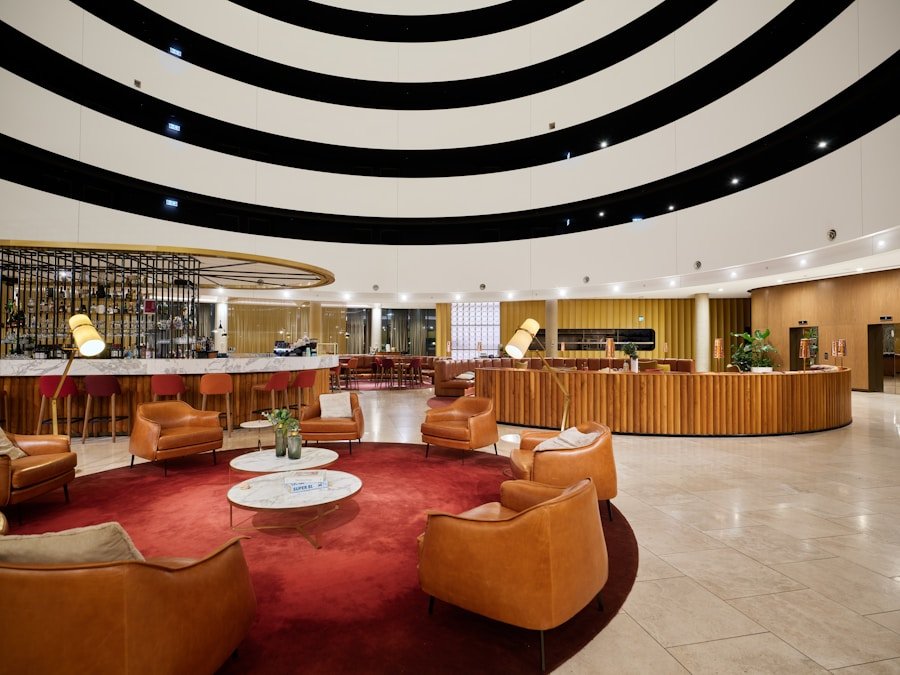
This article explores hotels in Dubai, Bangkok, and Shanghai that integrate circular economy principles. These establishments represent a shift in the hospitality industry, moving beyond traditional sustainability aims to a model where resources are kept in use for as long as possible, extracting maximum value from them. The objective is to provide readers with information on selecting accommodations that align with environmental consciousness.
Understanding the Circular Economy in Hospitality
The circular economy model stands in contrast to the linear “take-make-dispose” approach. In the context of hotels, this means designing systems and operations to minimize waste, maximize resource reuse, and regenerate natural systems. This is not simply about recycling bins; it encompasses the entire lifecycle of materials and services.
Defining Circular Economy Principles
Circular economy principles are built on three core tenets:
- Design out waste and pollution: This involves proactively preventing waste creation through intelligent design and material selection.
- Keep products and materials in use: This focuses on extending the lifespan of items through reuse, repair, remanufacturing, and recycling.
- Regenerate natural systems: This aims to restore and enhance the environment rather than deplete it.
Beyond Traditional Sustainability
While sustainable practices in hotels often focus on reducing energy and water consumption or using ethically sourced materials, the circular economy takes this a step further. It prompts a re-evaluation of what constitutes a “waste” product and seeks to create closed-loop systems. For instance, instead of discarding food scraps, a circular hotel might compost them for on-site gardens or partner with local institutions for biogas production. Similarly, furniture might be designed for disassembly and repair, extending its usability significantly.
The Business Case for Circularity
Adopting circular economy principles is not solely an ethical imperative; it can also present a compelling business case. Reducing reliance on virgin materials can lead to cost savings over time. Moreover, the growing consumer demand for sustainable travel options means that hotels with strong circular economy credentials can attract a discerning clientele, differentiating themselves in competitive markets. This proactive approach can also foster innovation within the organization, leading to more efficient and effective operational strategies.
Dubai: Pioneering Circularity in a Desert Metropolis
Dubai, a city synonymous with rapid development, is also home to hotels actively embracing circular economy concepts. These establishments demonstrate that even in a resource-intensive environment, a transition towards more sustainable models is achievable.
Material Innovation and Waste Reduction
Several Dubai hotels are focusing on the materials used in their construction and daily operations. This includes selecting materials with high recycled content and designing interiors that allow for easy refurbishment and replacement of components rather than wholesale renewal.
Sustainable Sourcing and Procurement
The procurement policies of these hotels are a cornerstone of their circular approach. They prioritize suppliers who offer products with minimal packaging, are made from recycled or renewable materials, and have robust take-back programs. This extends to linen, toiletries, and even office supplies.
Food Waste Management Systems
Addressing food waste is a significant challenge in the hospitality sector. Hotels in Dubai are implementing advanced systems for tracking and reducing food waste, from precise inventory management to innovative composting and anaerobic digestion solutions, turning what was once a disposal problem into a resource.
Water Conservation and Reuse
In a region where water is a precious commodity, circular approaches to water management are particularly vital. Hotels are investing in greywater recycling systems and advanced wastewater treatment that allows for the reuse of water for irrigation and other non-potable purposes.
Rainwater Harvesting Technologies
While rainfall is infrequent in Dubai, some hotels are exploring or have implemented rainwater harvesting systems to supplement their water needs, particularly for landscaping. This represents a direct engagement with local environmental conditions.
Integrated Water Management Strategies
These hotels view water not as a consumable resource to be endlessly replenished, but as a closed-loop system. This involves optimizing usage across all departments, from guest rooms to kitchens and laundry facilities, and ensuring that treated water re-enters the system efficiently.
Bangkok: Integrating Heritage with Circular Design
Bangkok, a vibrant city with a rich cultural heritage, is also seeing a rise in hotels that blend traditional aesthetics with modern circular economy practices. This approach ensures that the environmental ambition does not come at the expense of the city’s unique character.
Adaptive Reuse of Existing Structures
A common circular strategy in Bangkok involves the adaptive reuse of existing buildings, often historic structures. This preserves the architectural heritage of the city while significantly reducing the environmental impact associated with new construction.
Renovation with Recycled and Upcycled Materials
During renovations, hotels are increasingly incorporating materials that have been salvaged, recycled, or upcycled. This can include reclaimed timber, architectural salvage, and furniture made from repurposed materials, breathing new life into old resources.
Preservation of Original Architectural Features
Rather than demolishing and rebuilding, these hotels often focus on restoring and preserving original architectural elements. This not only maintains the historical integrity of the building but also minimizes the waste generated from demolition and construction.
Localized Supply Chains and Community Engagement
Bangkok hotels are increasingly looking towards localized supply chains, reducing transportation emissions and supporting the local economy. This embraces the idea that resources are best utilized within their immediate environment.
Partnerships with Local Artisans and Craftsmen
Collaborations with local artisans and craftsmen are a key feature. This supports traditional skills and craftsmanship, reduces the carbon footprint associated with importing goods, and provides guests with authentic, locally produced items.
Farm-to-Table Dining with a Circular Twist
Many establishments are establishing direct relationships with local organic farms. Beyond simply sourcing fresh produce, the circular aspect comes into play through composting of food waste to provide fertilizer back to these farms, creating a symbiotic relationship.
Water Management and Biodiversity
Bangkok’s tropical climate presents different water management challenges and opportunities compared to Dubai. Hotels are focused on maximizing water efficiency and supporting local biodiversity.
Natural Water Filtration Systems
Some hotels are exploring or implementing natural water filtration systems, such as constructed wetlands, for greywater treatment. These systems are more environmentally friendly and can contribute to local ecological corridors.
Rooftop Gardens and Green Spaces
The creation of rooftop gardens and other green spaces serves multiple purposes: thermal insulation for buildings, urban biodiversity enhancement, and a source of herbs and produce for hotel kitchens. These initiatives actively regenerate urban ecosystems.
Shanghai: Modernizing Circularity in a Global Hub
Shanghai, a dynamic megapolis, is a fertile ground for hotels that are pushing the boundaries of circular economy implementation, leveraging technological advancements and innovative design.
Smart Technology for Resource Optimization
Shanghai’s hotels are at the forefront of using smart technology to monitor and optimize resource consumption. This data-driven approach allows for granular control and continuous improvement.
Internet of Things (IoT) for Energy and Water Monitoring
IoT sensors are deployed throughout hotels to track energy usage in real-time from individual appliances to entire floors. Similarly, water flow meters and leak detection systems contribute to meticulous management.
AI-Powered Waste Sorting and Management
While still evolving, some forward-thinking hotels are exploring or piloting AI-powered systems for waste sorting at the source, improving recycling rates and diverting more waste from landfills.
Closed-Loop Product Systems
The concept of keeping products and materials in use is being advanced through sophisticated closed-loop systems within Shanghai’s innovative hotels.
Modular Design and Furniture Systems
Furniture and fixtures are increasingly designed with modularity in mind, allowing for easy repair, replacement of individual components, and eventual disassembly for material recovery.
In-House Repair and Refurbishment Workshops
Some larger hotel groups are establishing in-house or shared workshops dedicated to repairing and refurbishing furniture, textiles, and electronic equipment, extending their lifespan and reducing the need for replacements.
Regenerative Building Practices
Beyond simply reducing environmental impact, Shanghai hotels are increasingly focusing on building practices that aim to regenerate local ecosystems.
Green Roofs and Vertical Farms
The integration of extensive green roofs and vertical farming systems not only provides aesthetic benefits but also contributes to urban heat island effect mitigation, improves air quality, and offers fresh produce.
Use of Biodegradable and Composable Materials
There is a growing emphasis on specifying biodegradable and compostable materials for single-use items and even certain construction elements, ensuring that what is discarded can be returned to the biosphere without harm.
The Future of Hospitality: A Circular Vision
The hotels highlighted in Dubai, Bangkok, and Shanghai represent the vanguard of a movement towards a more responsible and resilient hospitality industry. They are not merely ticking boxes; they are fundamentally rethinking their operations through a circular lens.
Guest Education and Engagement
An integral part of the circular economy in hospitality involves educating guests about the hotel’s practices. This can foster a sense of shared responsibility and encourage guests to participate in waste reduction and resource conservation efforts during their stay.
Transparency and Reporting
These pioneering hotels often demonstrate a commitment to transparency, publishing sustainability reports that detail their progress in adopting circular economy principles. This accountability is crucial for building trust with environmentally conscious travelers.
Continuous Innovation and Adaptation
The circular economy is not a static endpoint but an ongoing process of innovation and adaptation. As new technologies emerge and understanding of environmental challenges deepens, these hotels are positioned to continually refine their practices, ensuring that their operations remain at the cutting edge of sustainability. The aspiration is to build hotels that are not just places to stay, but active contributors to a healthier planet.