
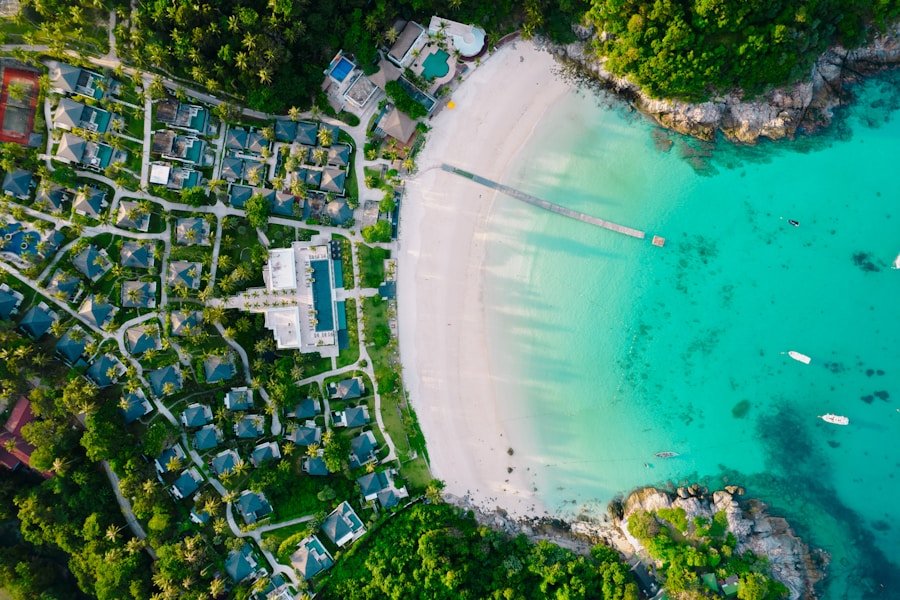
Welcome, intrepid reader, to an exploration of a phenomenon often overlooked in the glittering narrative of Dubai: the quiet, yet increasingly potent, shift towards regenerative hospitality. While Dubai’s image is often synonymous with opulence and rapid development, a deeper examination reveals a growing commitment among its elite resorts to practices that move beyond mere sustainability, aiming instead to actively restore and enhance natural and social systems. This article delves into “Green Glamour,” a term we use to encapsulate this evolving paradigm, examining how these establishments are reimagining luxury through a lens of environmental stewardship and community engagement.
Beyond Greenwashing: Defining Regenerative Hospitality in Dubai
The concept of “greenwashing” – the deceptive marketing of environmentally friendly practices without substantive action – has plagued industries globally. In Dubai, a city often scrutinized for its environmental footprint, discerning genuine commitment from performative gestures is crucial. Regenerative hospitality, however, transcends simple sustainability. It’s not just about reducing negative impact; it’s about actively creating positive impact.
From Sustainable to Restorative: A Paradigm Shift
Sustainability, at its core, aims to maintain the status quo, ensuring resources are not depleted for future generations. Regenerative approaches go further. They seek to revitalize ecosystems, enrich local communities, and foster a symbiotic relationship between host and guest. For a resort, this might translate to not just minimizing waste, but actively composting organic materials to regenerate soil or engaging in coral reef restoration projects that enhance marine biodiversity.
Measuring Impact: The Challenge of Verifiable Claims
The true test of regenerative hospitality lies in its measurable impact. Quantifiable metrics, such as biodiversity indices, water quality improvements, and local economic upliftment, offer tangible evidence of success. Resorts employing regenerative principles are increasingly transparent about their data, allowing for public scrutiny and demonstrating genuine accountability.
Architectural Integration and Bio-Mimetics: Designing for Nature
Dubai’s architectural landscape is renowned for its audacity. However, a new wave of design is emerging, one that seeks to integrate structures seamlessly with their natural surroundings, drawing inspiration from ecological processes. This architectural evolution is a cornerstone of regenerative hospitality.
Mimicking Ecosystems: Bio-Mimetic Design Principles
Bio-mimicry in architectural design involves observing and emulating the forms, processes, and systems found in nature. For instance, resort buildings designed with natural ventilation systems inspired by termite mounds or water filtration systems modeled after wetlands demonstrate this principle. These designs not only reduce energy consumption but also create environments that are innately pleasing and healthful for occupants.
Local Materials and Traditional Techniques: A Sense of Place
The use of locally sourced materials, such as desert sands, repurposed wood, or traditional plasters, reduces carbon footprint associated with transportation and supports local economies. Furthermore, incorporating traditional construction techniques, often adapted for the extreme desert climate, imbues the resorts with a distinct sense of place, connecting guests to the region’s heritage. This approach moves away from generic international luxury, fostering a more authentic and culturally rich experience.
Resource Stewardship: Water, Energy, and Waste Management
The desert environment of Dubai presents unique challenges for resource management. Elite resorts embracing regenerative practices are at the forefront of innovative solutions, transforming potential liabilities into opportunities for sustainable operation.
Water Conservation: A Precious Commodity
Water scarcity is a central concern in Dubai. Regenerative resorts are implementing advanced water conservation techniques, including smart irrigation systems that respond to real-time weather data, low-flow fixtures in guest rooms, and sophisticated greywater recycling systems that treat wastewater for non-potable uses like landscaping. Some resorts are even exploring desalination plants powered by renewable energy, minimizing the environmental impact of water production.
Renewable Energy Integration: Powering the Future
The abundance of sunshine in Dubai makes solar power a natural fit. Resorts are investing heavily in photovoltaic panels, both on rooftops and integrated into landscape design, to generate a significant portion of their energy needs. Beyond solar, some are exploring geothermal heating and cooling systems, leveraging the stable ground temperatures to reduce energy consumption. The goal is to move towards net-zero energy operations, or even net-positive, where the resort generates more energy than it consumes.
Circular Economy Principles: Waste as a Resource
Traditional waste management often involves landfilling. Regenerative resorts, however, are embracing circular economy principles, treating waste as a valuable resource. Comprehensive recycling programs are standard, but the ambition extends to composting organic waste for use in on-site gardens, donating surplus food to local communities, and even collaborating with artisans to upcycle materials into new products. This minimizes landfill contributions and fosters local economic activity.
Biodiversity Enhancement and Ecological Restoration
Beyond the built environment, regenerative resorts are actively engaging in efforts to enhance the biodiversity of their surrounding ecosystems, recognizing that a thriving natural environment enriches both the guest experience and the planet.
Native Landscaping and Habitat Creation
The careful selection of native plant species not only reduces water consumption due to their adaptation to the arid climate but also provides crucial habitat and food sources for local wildlife. Resorts are creating biodiverse landscapes with indigenous flora, attracting native birds, insects, and small mammals, thereby contributing to the ecological health of the region. This is a deliberate shift from the purely ornamental, water-intensive exotic gardens often found in traditional luxury resorts.
Marine Conservation Initiatives (Coastal Resorts)
For resorts situated along Dubai’s coastline, marine conservation is paramount. These establishments are actively participating in coral reef restoration projects, planting new coral fragments to reverse the damage caused by climate change and human activity. They also educate guests about responsible marine tourism, discouraging activities that can harm delicate ecosystems and promoting ethical interactions with marine life. Some resorts even have dedicated marine biologists on staff to oversee these initiatives.
Wildlife Protection and Rehabilitation Programs
A few pioneering resorts are going a step further, engaging in wildlife protection and rehabilitation programs. This might involve collaborating with local wildlife organizations to provide refuge for injured animals or participating in breeding programs for endangered species. Such initiatives not only contribute to conservation efforts but also offer guests unique educational opportunities to connect with the local fauna.
Community Engagement and Socio-Economic Upliftment
| Resort Name | Renewable Energy Usage | Water Conservation | Waste Management |
|---|---|---|---|
| Resort A | 80% | Implemented water-saving fixtures | Comprehensive recycling program |
| Resort B | 100% | Desalination plant for water supply | Food waste composting |
| Resort C | 90% | Greywater recycling system | Reduced single-use plastics |
Regenerative hospitality extends beyond environmental considerations to encompass social responsibility. Elite resorts are recognizing their role as integral parts of the wider community and are actively seeking to create positive social and economic impact.
Local Sourcing and Supply Chain Integration
Prioritizing local suppliers for food, amenities, and services strengthens the regional economy and reduces the carbon footprint associated with long-distance transportation. Resorts are actively seeking out local farms, artisans, and businesses, providing them with stable income streams and fostering entrepreneurial growth within the community. This collaborative approach fosters a sense of shared prosperity.
Cultural Preservation and Promotion
Dubai’s rich cultural heritage is a valuable asset. Regenerative resorts are actively engaging in the preservation and promotion of local traditions, arts, and crafts. This might involve showcasing local artists, offering cultural workshops for guests, or integrating traditional design elements into the resort’s aesthetic. By celebrating local culture, these resorts create a more authentic and immersive experience for guests while supporting the continuity of cultural practices.
Employee Well-being and Fair Labor Practices
A truly regenerative approach recognizes the importance of its human capital. Resorts committed to these principles prioritize employee well-being through fair wages, comprehensive benefits, training and development opportunities, and a supportive work environment. Ethical labor practices, including upholding international labor standards, are foundational to their operations, ensuring that the “glamour” of the resort is not built on exploitation.
Educational Initiatives and Guest Engagement
Regenerative resorts are becoming hubs for education, informing guests about their sustainability initiatives and encouraging mindful travel. Through interactive displays, guided tours of their ecological projects, and opportunities for guest participation in conservation efforts, they empower visitors to become part of the solution. This transforms a leisure trip into an opportunity for learning and personal growth, fostering a deeper connection to both the place and its environmental challenges.
The Future of Green Glamour: Challenges and Opportunities
While significant strides are being made, the journey towards widespread regenerative hospitality in Dubai is not without its challenges. However, these obstacles also present opportunities for further innovation and leadership.
Overcoming Perceptions: Luxury and Sustainability
The perception that luxury and sustainability are mutually exclusive persists. Regenerative resorts in Dubai are actively demonstrating that the highest standards of comfort and service can be achieved – and even enhanced – through environmentally and socially responsible practices. They are proving that true luxury lies in a harmonious relationship with nature and community, rather than in ostentatious excess.
Scaling Up: From Individual Resorts to Industry-Wide Adoption
The current regenerative efforts, while impactful, are often concentrated in individual resorts. The next frontier involves scaling up these practices across the wider hospitality industry in Dubai. This requires collaboration among resorts, governmental support, and the development of standardized frameworks and certifications to ensure consistency and accountability.
Technological Advancements and Continuous Innovation
The rapid pace of technological innovation offers continuous opportunities for enhancing regenerative practices, from advanced AI-driven energy management systems to novel bio-materials in construction. Resorts in Dubai, with their penchant for embracing cutting-edge technology, are well-positioned to leverage these advancements, pushing the boundaries of what is possible in sustainable and regenerative tourism.
In conclusion, the emergence of “Green Glamour” in Dubai’s elite resorts represents a compelling and necessary evolution in the hospitality industry. It is a testament to a growing awareness that true luxury in the 21st century is inextricably linked to environmental stewardship, social responsibility, and a commitment to not just sustain, but to actively regenerate. For the discerning traveler, these resorts offer more than just an escape; they offer an opportunity to experience luxury with a conscience, contributing to a brighter, more resilient future for both the city and the planet.