
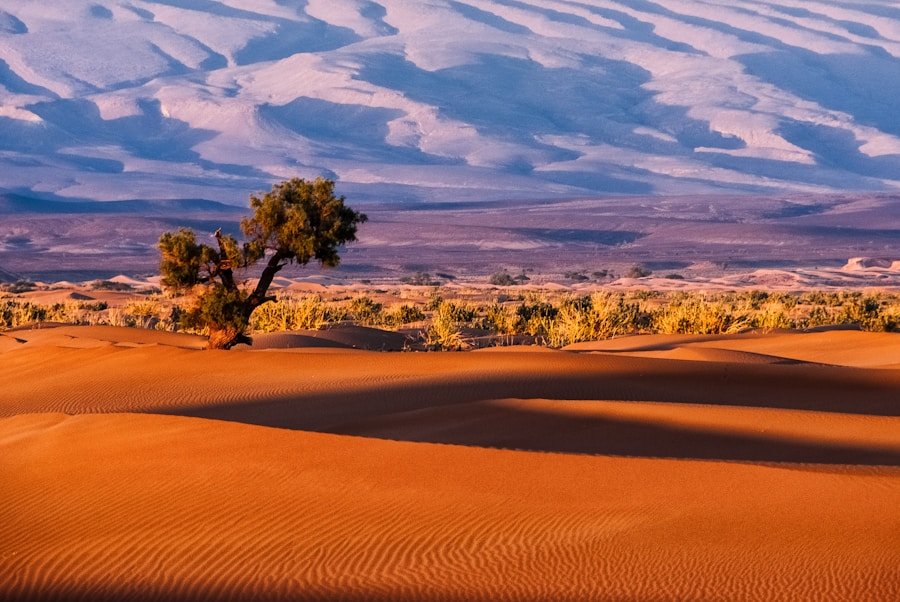
Eco-wellness travel, a burgeoning sector of tourism, focuses on experiences that benefit both the traveler and the environment. It encompasses practices promoting physical, mental, and spiritual well-being, often set against a backdrop of natural beauty and responsible resource management. This approach offers an antidote to the often-frenetic pace of modern life, allowing individuals to reconnect with themselves and the planet. As this travel niche expands, destinations are increasingly being evaluated not just for their attractions, but also for their commitment to sustainability and wellness offerings. This article compares two prominent Moroccan cities, Tanger and Marrakech, through the lens of eco-wellness travel, examining their unique contributions and contrasting approaches.
Understanding Eco-Wellness Travel
Eco-wellness travel is more than simply visiting a spa or a natural park; it is a holistic philosophy that guides travel choices. It advocates for a mindful engagement with a destination, seeking to leave a positive impact while reaping restorative benefits.
The Pillars of Eco-Wellness Travel
The core tenets of eco-wellness travel can be broken down into several key components that guide both the traveler’s choices and the destination’s offerings. These pillars aim to create a harmonious blend of personal rejuvenation and environmental stewardship.
Environmental Sustainability
At its heart, eco-wellness travel prioritizes minimizing the ecological footprint of travel. This involves supporting accommodations that utilize renewable energy, practice water conservation, and manage waste responsibly. It also extends to engaging in activities that have a low environmental impact, such as hiking, cycling, and nature observation, rather than high-impact tourism. For travelers, this translates to making conscious choices about transportation, accommodation, and daily activities to align with environmental principles.
Health and Well-being
The “wellness” aspect focuses on enhancing the holistic health of the traveler. This can manifest in various forms, including physical activities like yoga and meditation, nutritional focus on local and organic foods, and mental rejuvenation through mindfulness practices and immersion in tranquil environments. The goal is to return from a trip feeling revitalized, both physically and mentally, equipped with new perspectives and reduced stress levels.
Cultural Immersion and Local Support
Genuine eco-wellness travel often involves a deep respect for local cultures and communities. This means engaging with local artisans, patronizing locally-owned businesses, and learning about indigenous traditions. By supporting the local economy and fostering authentic cultural exchange, travelers contribute to the social sustainability of the destination. This approach moves beyond superficial engagement to a more meaningful and mutually beneficial interaction.
Ethical Considerations
The ethical dimension is crucial, addressing fair labor practices within the tourism industry, respecting local customs and traditions, and ensuring that travel does not exploit natural or human resources. Travelers are encouraged to be informed about the ethical standards of the establishments they patronize and the activities they participate in. This creates a ripple effect, promoting responsible business practices and a more equitable tourism landscape.
Tanger: A Coastal Haven for Conscious Travel
Tanger, situated on the northern tip of Morocco, presents a distinct offering for the eco-wellness traveler. Its coastal location, historical influences, and a growing awareness of sustainable practices position it as a compelling choice for those seeking rejuvenation with a connection to the sea and a developing eco-conscious ethos. The city serves as a gateway, bridging African and European influences, which can be observed in its architecture, culture, and culinary traditions.
Environmental Strengths in Tanger
The proximity of Tanger to the Strait of Gibraltar and its surrounding natural landscapes provide a unique canvas for eco-wellness experiences. The city and its environs offer opportunities for activities that are intrinsically linked to the natural world.
Coastal Access and Marine Activities
Tanger’s extensive coastline offers access to beaches and opportunities for marine-based wellness activities. These can range from invigorating swims in the Atlantic to more contemplative pursuits like coastal walks or stand-up paddleboarding. The sound of the waves and the fresh sea air act as natural stress relievers, contributing to a sense of calm and well-being. The responsible enjoyment of these marine environments is key to maintaining their ecological integrity.
Green Spaces and Urban Parks
While an urban center, Tanger has made strides in preserving and developing green spaces. Parks and gardens within the city provide pockets of tranquility where one can engage in activities like yoga or meditation, surrounded by nature. These areas offer a breath of fresh air and a visual respite from the urban environment, contributing to mental rejuvenation. The strategic placement of these green lungs within the city is a testament to a growing urban planning consciousness.
Emerging Sustainable Initiatives
A slow but steady integration of sustainable practices is becoming evident in Tanger. This includes a growing number of accommodations that are adopting eco-friendly policies, such as reducing water and energy consumption. Local conservation efforts, though perhaps not as prominent as in some other destinations, are a nascent but important aspect of Tanger’s appeal to the eco-conscious traveler. This signals a potential for future growth in certified eco-tourism offerings.
Wellness Offerings in Tanger
Beyond the natural environment, Tanger is developing a range of wellness services that cater to the eco-minded traveler. These focus on holistic health and a connection to traditional Moroccan practices.
Traditional Hammams and Spas
The traditional Moroccan hammam experience is a cornerstone of wellness in Tanger. These public bathhouses offer a cleansing and therapeutic ritual that has been practiced for centuries. Many modern spas in Tanger also incorporate hammam treatments, often using natural Moroccan products like argan oil and black soap, aligning with the eco-wellness ethos of natural and locally sourced ingredients. This offers a physically restorative and culturally enriching experience.
Mindful Movement and Retreats
Opportunities for mindful movement, such as yoga and meditation, are available in Tanger. These sessions are often held in serene settings, taking advantage of the city’s natural beauty. As eco-tourism gains traction, it is anticipated that more dedicated wellness retreats will emerge, offering structured programs focused on detoxifying, de-stressing, and deepening one’s connection with self and nature.
Local and Organic Cuisine
Tanger’s culinary scene offers a rich tapestry of flavors, with a growing emphasis on fresh, local, and organic ingredients. Many restaurants and cafes are prioritizing seasonal produce, supporting local farmers, and offering healthy, plant-based options. This focus on Nourishment, utilizing the bounty of the surrounding agricultural regions, is a direct contributor to overall well-being, making dining an integral part of the wellness journey.
Marrakech: A Vibrant Center for Cultural and Natural Wellness
Marrakech, the “Red City,” offers a different, yet equally compelling, proposition for eco-wellness travelers. While more urbanized than Tanger, its proximity to the Atlas Mountains, its rich cultural heritage, and its well-established tourism infrastructure provide unique avenues for holistic rejuvenation. Marrakech acts as a vibrant hub, drawing visitors into its sensory-rich medina and beckoning them towards the tranquility of the nearby natural landscapes.
Environmental Aspects of Marrakech
The environmental appeal of Marrakech lies in its ability to balance its vibrant urban life with access to significant natural attractions and a growing commitment to sustainable tourism practices.
The Atlas Mountains and Excursions
The majestic Atlas Mountains are a short journey from Marrakech, serving as a natural playground for eco-wellness enthusiasts. Hiking, trekking, and exploring traditional Berber villages offer opportunities for physical activity, cultural immersion, and breathtaking natural beauty. These excursions are often designed with a low environmental impact, encouraging an appreciation for the delicate ecosystems of the mountains. The imposing presence of these peaks can be a powerful metaphor for inner strength and resilience.
Palmeraies and Desert Proximity
The iconic Palmeraie of Marrakech, a vast oasis of palm trees, offers a serene escape from the city’s bustle. Walking, cycling, or even horseback riding through these tranquil groves provides a connection to nature. Furthermore, Marrakech serves as a gateway to the Sahara Desert, offering unique eco-wellness experiences such as desert meditation retreats and stargazing, all conducted with a mindful approach to the fragile desert environment.
Sustainable Urban Development and Green Initiatives
Marrakech has been at the forefront of sustainable urban development in Morocco. Initiatives such as the Noor Ouarzazate Solar Power Station, though some distance away, highlight a national commitment to renewable energy that influences the broader tourism landscape. Within the city, there is a growing trend towards eco-friendly riads and hotels that focus on energy efficiency, water conservation, and waste reduction. This deliberate integration of sustainability into its infrastructure is a key differentiator.
Wellness Experiences in Marrakech
Marrakech’s wellness offerings are deeply rooted in its rich cultural traditions and are increasingly embracing modern wellness modalities.
Traditional Riads and Tranquil Courtyards
The traditional Moroccan riad, with its enclosed courtyard and often lush planting, provides a sanctuary of peace within the bustling medina. Many riads are designed to promote well-being, offering quiet spaces for reflection, yoga, and relaxation. These architectural havens are a testament to the Moroccan art of creating inner peace amidst external vibrancy.
Advanced Spa Culture and Holistic Therapies
Marrakech boasts a sophisticated spa culture, offering a wide array of treatments that blend traditional Moroccan rituals with modern therapeutic techniques. From elaborate hammam experiences to Ayurvedic massages and personalized wellness programs, the focus is on comprehensive rejuvenation. The use of locally sourced botanical ingredients in these treatments further enhances their appeal to the eco-conscious traveler.
Culinary Wellness and Healthy Eating
The food scene in Marrakech is a highlight for any visitor, and for the wellness traveler, it offers abundant opportunities for healthy and conscious eating. The emphasis on fresh, seasonal produce, aromatic spices, and traditional recipes that often feature legumes and vegetables makes Moroccan cuisine inherently nourishing. Many establishments are now explicitly catering to dietary needs, offering vegan, gluten-free, and organic options, allowing for a guilt-free culinary journey.
Comparing Tanger and Marrakech: A Tale of Two Approaches
While both Tanger and Marrakech offer compelling eco-wellness travel experiences, their approaches differ, catering to distinct traveler preferences. Tanger, with its coastal charm and developing eco-consciousness, appeals to those seeking a more understated and nature-focused rejuvenation. Marrakech, with its vibrant energy, rich cultural tapestry, and proximity to diverse natural landscapes, offers a more immersive and multifaceted wellness journey.
Environmental Focus and Accessibility
The environmental focus of each city presents slightly different opportunities. Tanger’s strength lies in its direct coastal access and the inherent restorative powers of the sea, coupled with growing urban green spaces. Marrakech, on the other hand, leverages its proximity to significant natural wonders like the Atlas Mountains and the desert, offering a broader range of expansive natural excursions. Accessibility to these natural environments also differs; Tanger’s are more integrated into the urban fabric, while Marrakech’s often involve dedicated excursions.
Wellness Traditions and Modern Integration
Both cities excel in integrating traditional wellness practices. Tanger’s hammams and its growing connection to locally sourced products are key. Marrakech, however, has a more established and diverse spa culture, with a wider array of blended traditional and modern therapies. The emphasis on mindfulness and holistic well-being is present in both, but Marrakech’s well-developed infrastructure allows for a broader spectrum of specialized wellness programs.
Cultural Depth and Experiential Learning
Marrakech, as a historical imperial city, offers a deeper and more immediate immersion into Moroccan culture, which can be a profound aspect of wellness. The vibrant souks, the Djemaa el-Fna square, and the intricate architecture all contribute to a sensory and cultural richness that can be deeply restorative. Tanger, while possessing its own unique historical narrative and blend of cultures, offers a more laid-back cultural experience, perhaps appealing to those who prefer a gentler cultural engagement alongside their wellness pursuits.
Cultivating an Eco-Conscious Journey in Morocco
“`html
| Metrics | Tanger | Marrakech |
|---|---|---|
| Number of Eco-Wellness Resorts | 5 | 8 |
| Average Eco-Wellness Activities per Resort | 12 | 15 |
| Distance to Natural Parks (in km) | 20 | 10 |
| Number of Organic Restaurants | 15 | 20 |
“`
Embarking on an eco-wellness journey in either Tanger or Marrakech requires mindful engagement from the traveler. By making informed choices, one can amplify the positive impact of their visit and enhance their personal well-being. The key lies in approaching the trip not just as a tourist, but as a considerate guest.
Choosing Sustainable Accommodations
Whether in Tanger or Marrakech, selecting accommodations that demonstrate a commitment to sustainability is crucial. This includes looking for hotels and riads that implement energy and water-saving measures, practice responsible waste management, and support local communities. Many establishments are now transparent about their eco-friendly practices, making informed choices easier.
Researching Eco-Certifications and Practices
Travelers are encouraged to research accommodations and tour operators that hold recognized eco-certifications or clearly outline their sustainable tourism practices. Websites and travel guides often provide this information, allowing for pre-trip due diligence. This ensures that the chosen providers align with eco-wellness principles.
Supporting Locally-Owned Businesses
Patronizing locally-owned businesses, from restaurants to artisan shops, directly contributes to the economic well-being of the destination. This fosters a more authentic experience and ensures that tourism revenue benefits the local population, a cornerstone of sustainable tourism.
Engaging in Responsible Activities
The activities chosen during an eco-wellness trip play a significant role in its overall impact. Prioritizing experiences that are in harmony with nature and respectful of local culture is paramount.
Respecting Natural Environments
When exploring the natural beauty of either region, strict adherence to leave-no-trace principles is essential. This includes staying on designated trails, avoiding the removal of natural elements, and being mindful of wildlife. This ensures that these precious environments remain unspoiled for future generations.
Participating in Cultural Exchange Respectfully
Engaging with local communities requires sensitivity and respect for their traditions and customs. Learning a few basic Arabic or Berber phrases, dressing modestly when appropriate, and seeking permission before taking photographs are all forms of cultural respect that enhance the traveler’s experience and foster positive interactions.
Opting for Low-Impact Transportation
Whenever possible, choosing low-impact transportation options within and between cities and for excursions can significantly reduce one’s environmental footprint. This could include walking, cycling, or utilizing public transport. Where private transport is necessary, choosing fuel-efficient vehicles or those powered by cleaner energy sources can be a consideration.
The Future of Eco-Wellness Travel in Morocco
The trajectory of eco-wellness travel in Morocco, encompassing both Tanger and Marrakech, indicates a promising future. As global awareness of the importance of sustainable and restorative travel grows, these cities are well-positioned to cater to this evolving market.
Growing Demand and Evolving Offerings
An increasing number of travelers are seeking experiences that align with their values, prioritizing well-being and environmental responsibility. This rising demand will likely spur further development of eco-friendly infrastructure, specialized wellness programs, and authentic cultural experiences in both Tanger and Marrakech. The market is a fertile ground for innovation, and destinations that embrace it will thrive.
Government and Stakeholder Support
Government initiatives and the commitment of local stakeholders are crucial for the sustained growth of eco-wellness travel. Investments in sustainable infrastructure, conservation efforts, and responsible tourism policies will be instrumental in solidifying Morocco’s position as a leading eco-wellness destination. Collaboration between government bodies, local communities, and private enterprises will be key to navigating this path effectively.
The Traveler’s Role in Shaping the Future
Ultimately, the future of eco-wellness travel in Morocco rests not only with the destinations but also with the travelers themselves. By consciously choosing to support sustainable practices, respecting local cultures, and engaging in mindful travel, each visitor contributes to shaping a more responsible and enriching tourism landscape for years to come. The traveler is not merely a recipient of services but an active participant in the ecosystem of travel.