
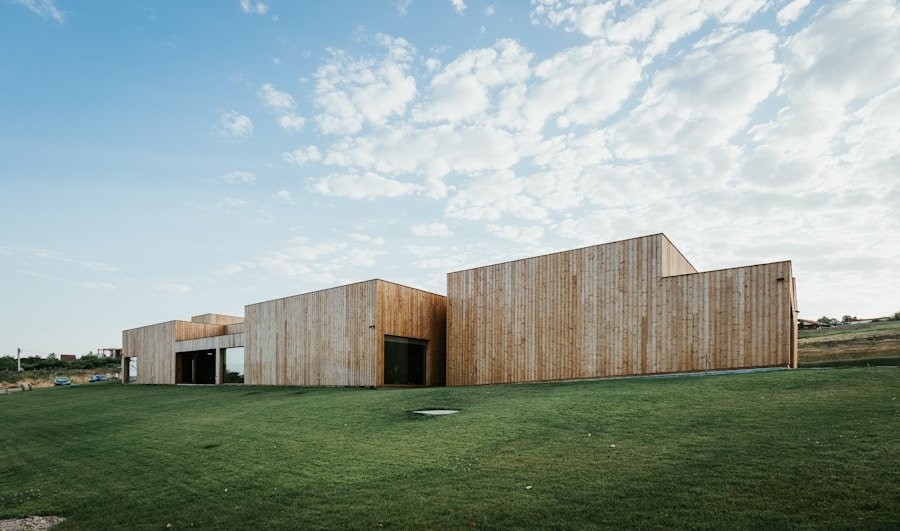
Tanger (Tangier) has emerged as a destination where sustainability and style are not mutually exclusive, but rather, two threads woven into the same fabric. As the city embraces a forward-looking approach to tourism, a select group of accommodations are setting a benchmark for eco-luxury. These establishments demonstrate that responsible practices can coexist with, and even enhance, the guest experience, offering a sanctuary that respects both the planet and the discerning traveler.
Understanding Eco-Luxury in Hospitality
Eco-luxury, in the context of hospitality, represents a paradigm shift away from the unbridled consumption of traditional luxury towards a more considered and impactful experience. It acknowledges the interconnectedness of environmental stewardship, social responsibility, and premium service. This approach is not about deprivation; rather, it centers on conscious choices that minimize negative environmental and social footprints while maximizing positive contributions. For a hotel to be considered eco-luxurious, it must engage in a holistic commitment, impacting every facet of its operation, from energy consumption and waste management to the sourcing of materials and support of local communities.
The Pillars of Eco-Luxury
- Environmental Responsibility: This pillar encompasses a broad spectrum of practices aimed at reducing the ecological impact of hotel operations. Key areas include energy efficiency, water conservation, waste reduction and recycling, sustainable procurement, and the protection of local biodiversity. The goal is to operate in a manner that treads lightly on the earth, minimizing greenhouse gas emissions and other environmental pollutants.
- Social Equity and Community Engagement: Beyond environmental concerns, eco-luxury hotels actively contribute to the well-being of the communities in which they are situated. This involves fair labor practices, supporting local economies through employment and the procurement of local goods and services, fostering cultural preservation, and engaging in philanthropic initiatives. The aim is to create a symbiotic relationship where the hotel benefits the local population as much as it benefits from their resources.
- Health and Well-being: The luxurious aspect of eco-luxury is often intrinsically linked to the well-being of guests. This can manifest through the use of natural, non-toxic materials in construction and furnishings, access to healthy and sustainably sourced food options, and the promotion of wellness activities that connect guests with nature and local culture. The emphasis is on creating environments that are not only aesthetically pleasing but also conducive to physical and mental rejuvenation.
- Authenticity and Experiential Value: True eco-luxury extends beyond certifications and practices; it is about offering an authentic and meaningful experience. This involves providing guests with opportunities to connect with the local culture, history, and natural environment in a respectful and enriching way. It’s about creating memories that are not just about pampering, but about deeper understanding and connection.
Tanger’s Pioneering Eco-Luxury Establishments
Tanger, a city steeped in history and poised at the crossroads of continents, is witnessing the rise of hotels that embody the principles of eco-luxury. These hotels are not merely accommodations; they are statements, demonstrating a commitment to ethical and sustainable practices without compromising on the comfort and sophistication that travelers expect from a premium stay. Their efforts serve as a compass, guiding the tourism sector towards a more responsible future.
Hotel A: A Model of Resourcefulness
Hotel A stands as a testament to how thoughtful design and operational efficiency can translate into significant environmental savings without sacrificing guest comfort. The establishment has implemented a multi-pronged approach to minimize its ecological footprint, turning potential waste into valuable resources.
Energy Conservation Initiatives
- Solar Energy Integration: A substantial portion of Hotel A’s energy needs is met through an extensive solar panel installation. These panels, strategically placed to maximize sunlight exposure, generate clean electricity, significantly reducing reliance on fossil fuels. This investment in renewable energy is not merely an environmental gesture but also a long-term economic advantage, mitigating the volatility of energy costs.
- Smart Lighting Systems: The hotel employs advanced lighting systems that utilize LED technology, known for its energy efficiency and longevity. Motion sensors and timers are integrated into common areas, guest rooms, and back-of-house spaces, ensuring that lights are only active when needed. This proactive approach to energy management prevents unnecessary consumption, akin to turning off a light when leaving a room, but on a much larger, systemic scale.
- High-Efficiency HVAC: Heating, ventilation, and air conditioning (HVAC) systems are often the largest energy consumers in hotels. Hotel A has invested in state-of-the-art, high-efficiency HVAC units. These systems are designed to optimize temperature regulation while minimizing energy expenditure. Regular maintenance and smart thermostat controls further enhance their performance, allowing for precise climate control in each zone.
Water Management and Conservation
- Rainwater Harvesting: The hotel has implemented a comprehensive rainwater harvesting system. Collected rainwater is filtered and treated for use in non-potable applications such as irrigation of the hotel’s gardens, flushing toilets, and laundry. This reduces the demand on municipal water supplies, a critical consideration in regions susceptible to drought.
- Low-Flow Fixtures: All guest rooms and public restrooms are equipped with low-flow faucets, showerheads, and toilets. These fixtures are designed to reduce water consumption significantly without compromising water pressure or user experience. This is akin to using a more efficient shower head at home; the impact per individual use is small, but collectively, it represents a substantial saving.
- Greywater Recycling: Treated greywater, originating from sinks, showers, and laundry, is recycled and reused for landscaping and other non-potable purposes. This closed-loop system further minimizes water extraction from external sources, illustrating a sophisticated approach to resource management.
Hotel B: Cultivating Local Connections
Hotel B distinguishes itself through its deep integration with the local Tangerine community and its commitment to preserving and promoting the region’s cultural heritage. This approach ensures that the hotel’s guests gain an authentic experience while simultaneously contributing to the economic and social fabric of the city.
Supporting Local Artisans and Producers
- Procurement Policies: The hotel prioritizes sourcing a significant portion of its supplies, from food and beverages to furnishings and decorative items, from local farmers, fishermen, and artisans. This policy directly supports local businesses, creates jobs, and reduces the carbon footprint associated with transportation of goods.
- On-Site Craft Demonstrations: Hotel B often hosts local artisans who demonstrate traditional crafts, such as pottery, weaving, or mosaic work. These events provide guests with a personal connection to the local culture and offer a direct sales channel for the artisans, fostering economic empowerment.
- Culinary Experiences: The hotel’s restaurants feature menus that highlight seasonal and local ingredients. Chefs work closely with local producers to create dishes that represent the authentic flavors of the region. This culinary approach not only offers guests a unique gastronomic journey but also substantiates the commitment to supporting local agriculture.
Hotel C: Embracing Biophilic Design
Hotel C exemplifies the principles of biophilic design, seamlessly integrating natural elements into its architecture and interior spaces. This approach fosters a sense of well-being for guests by connecting them with nature, even within an urban setting.
Integration of Green Spaces
- Living Walls and Rooftop Gardens: The hotel features vertical gardens and rooftop vegetation, which not only enhance aesthetic appeal but also improve air quality, reduce the urban heat island effect, and provide habitats for local flora and fauna. These green spaces act as the lungs of the building, purifying the air.
- Natural Light and Ventilation: Extensive use of large windows, skylights, and open-air courtyards maximizes natural light and promotes natural ventilation. This reduces the reliance on artificial lighting and air conditioning, leading to significant energy savings and creating a healthier indoor environment.
- Materials Selection: Construction and interior design prioritize natural, sustainable, and non-toxic materials such as sustainably sourced wood, bamboo, natural stone, and organic fabrics. This minimizes the presence of harmful volatile organic compounds (VOCs) and contributes to a healthier living space.
Sustainable Practices in Guest Experience
The commitment to sustainability at these Tangerine hotels extends beyond operational efficiency and design; it is woven into the very fabric of the guest experience, offering a conscious approach to indulgence.
Mindful Room Amenities
- Biodegradable Toiletries: Guest bathrooms are stocked with high-quality, organic, and biodegradable toiletries. These products are formulated without harmful chemicals and come in minimal, recyclable packaging, reducing waste and minimizing the environmental impact of personal care products.
- Refillable Water Bottles: Instead of single-use plastic bottles, guests are provided with reusable water bottles that can be refilled at filtered water stations located throughout the hotel. This simple yet effective initiative drastically cuts down on plastic waste.
- Organic Linens and Towels: Bed linens and towels are made from organic cotton or other sustainable fibers. These are often sourced from fair-trade producers, ensuring ethical labor practices throughout the supply chain.
Waste Reduction and Recycling Programs
- Comprehensive Recycling Stations: Guests are provided with clear instructions and accessible bins for recycling various materials, including paper, plastic, glass, and metal. These programs are actively managed and monitored by the hotel staff.
- Composting Initiatives: Organic waste from kitchens and restaurants is collected and composted, either on-site or through local partnerships. This compost is then used to nourish the hotel’s gardens, creating a closed-loop system.
- Elimination of Single-Use Plastics: Beyond water bottles, hotels are actively working to eliminate other single-use plastics, such as straws, stirrers, and disposable cutlery, opting for reusable or compostable alternatives.
The Future of Eco-Luxury in Tanger
The emergence of eco-luxury hotels in Tanger signifies more than just a trend; it represents a fundamental shift in how hospitality is perceived and practiced. These establishments are not just offering a place to stay; they are offering a philosophy, a way of experiencing travel that is mindful, respectful, and ultimately, more rewarding.
Driving Sustainable Tourism
- Setting an Industry Standard: By demonstrating that profitability and sustainability can go hand-in-hand, these hotels are establishing a benchmark for other establishments in Tanger and beyond. This can act as a catalyst for broader adoption of eco-friendly practices across the tourism sector.
- Educating Travelers: Guests who choose to stay at eco-luxury hotels are often more conscious travelers. The experiences offered by these hotels can further educate and inspire them to adopt more sustainable practices in their daily lives, multiplying the impact.
- Protecting Local Assets: The focus on local sourcing and cultural preservation directly contributes to the protection of Tanger’s unique heritage and natural environment. This ensures that the very assets that draw tourists to the city are preserved for future generations.
Continuous Innovation and Improvement
The journey towards true sustainability is ongoing, and these Tangerine hotels are committed to continuous innovation. This involves staying abreast of new technologies, refining existing practices, and actively seeking feedback from guests and staff to identify areas for improvement. The pursuit of eco-luxury is not a destination, but a dynamic process of evolving and adapting to create a more positive impact. The evolution of these hotels serves as a beacon, illuminating a path for responsible and enriching travel experiences in Tanger.