
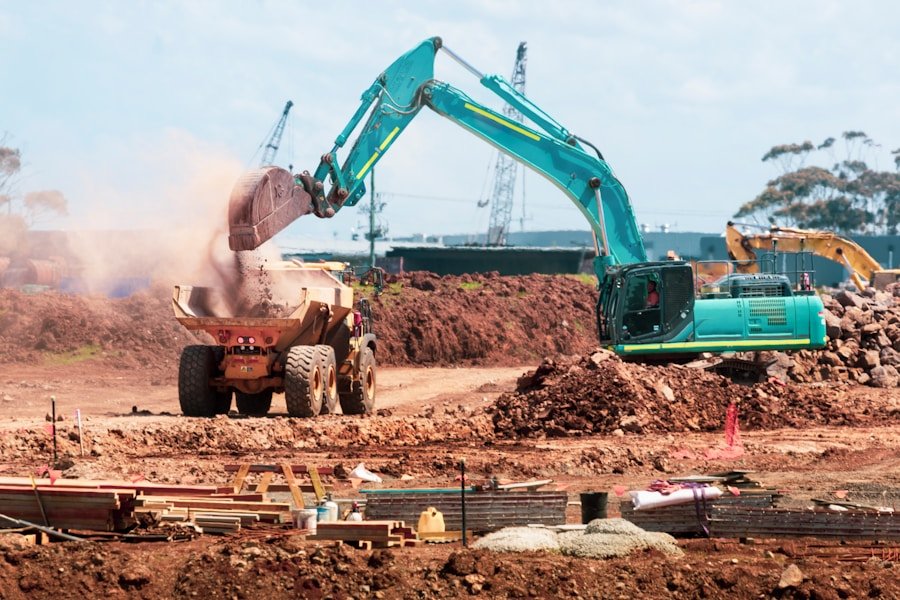
The process of obtaining and maintaining certifications can feel like navigating a complex forest. Understanding the various International Organization for Standardization (ISO) standards relevant to construction companies in Málaga is crucial for demonstrating quality, environmental responsibility, and safety. This article aims to clarify the landscape of these standards, providing a practical guide for businesses operating in the region.
Understanding the Core ISO Standards for Construction
ISO certifications provide a framework for companies to establish and improve their management systems. For construction firms, these systems directly impact project delivery, stakeholder trust, and operational efficiency. Think of these standards as blueprints for operational excellence; they lay out the foundational elements on which a robust and reliable construction business can be built.
ISO 9001: Quality Management Systems
ISO 9001 is the most widely recognized and fundamental of the ISO standards. It focuses on ensuring that a company consistently provides products and services that meet customer and applicable statutory and regulatory requirements. For construction, this translates to robust processes for planning, design, procurement, execution, and project closeout.
Key Principles of ISO 9001 in Construction
The standard is built upon a set of quality management principles. In the context of construction, these include:
- Customer Focus: Understanding and meeting the explicit and implicit needs of clients for their construction projects. This involves clear communication regarding scope, timelines, and budgets, as well as addressing any concerns or feedback promptly and effectively. For a construction company in Málaga, this could mean adhering to local building codes and client expectations for aesthetically pleasing and functionally sound structures, while also being mindful of regional climatic considerations.
- Leadership: Top management’s commitment to establishing a quality policy and objectives, and creating an environment where everyone in the organisation is engaged in achieving these. This means project managers, site supervisors, and even tradespeople understand their role in maintaining quality standards.
- Engagement of People: Involving competent, empowered, and engaged people at all levels throughout the organization is essential to enhance the organization’s capability to create and deliver value. This includes proper training for workers on new techniques or safety protocols, and fostering a culture where reporting potential issues is encouraged.
- Process Approach: Understanding and managing interrelated processes as a system contributes to the organization’s effectiveness and efficiency in achieving its intended results. In construction, this means ensuring seamless transitions between distinct phases of a project – from initial site preparation to final landscaping.
- Improvement: Continual improvement of the organization’s overall performance should be a permanent objective of the organization. This can manifest as learning from past projects, identifying areas for efficiency gains in material usage, or refining safety procedures based on incident reviews.
- Evidence-based Decision Making: Decisions based on the analysis and evaluation of data and information are more likely to produce desired results. For instance, analyzing material costs across different suppliers to secure the best value for a given project, or tracking defect rates to identify recurring issues with specific subcontractors.
- Relationship Management: Managing relationships with interested parties, such as suppliers, contractors, and clients, and ensuring their sustained success. This involves building strong partnerships with reliable material suppliers in the Málaga region or fostering good working relationships with specialized subcontractors.
Benefits of ISO 9001 for Construction Companies in Málaga
Implementing ISO 9001 can be a significant undertaking, but the returns often justify the investment. The system provides a structured approach to managing projects, which is akin to having a well-maintained toolkit for every phase of construction.
- Enhanced Reputation and Credibility: Certification signals a commitment to quality, making your company more attractive to clients, especially for larger or more complex projects. This can be a differentiator in the competitive Málaga construction market.
- Improved Operational Efficiency: Streamlined processes lead to reduced waste, fewer errors, and better resource allocation, ultimately lowering project costs and improving profit margins.
- Increased Customer Satisfaction: Consistent quality and reliable delivery contribute to happier clients, leading to repeat business and positive referrals.
- Better Risk Management: Proactive identification and management of potential quality issues mitigate risks of project delays, cost overruns, and contractual disputes.
- Access to New Markets: Many tenders, particularly from public sector or international clients, require ISO 9001 certification.
ISO 14001: Environmental Management Systems
In today’s world, environmental consciousness is paramount, and construction projects are no exception. ISO 14001 provides a framework for organizations to manage their environmental responsibilities effectively. It helps construction companies in Málaga to minimize their environmental footprint, comply with environmental legislation, and improve their environmental performance.
Key Components of ISO 14001 relevant to Construction
The standard requires companies to establish an environmental policy, identify environmental aspects and impacts, set environmental objectives and targets, and implement programs to achieve them. This is like ensuring the construction site treads lightly on the earth.
- Environmental Policy: A clear statement of the organization’s commitment to environmental protection, pollution prevention, and continual improvement. On a building site, this could involve commitments to reducing dust emissions, managing wastewater runoff, and minimizing noise pollution.
- Environmental Aspects and Impacts: Identification of activities, products, and services that can interact with the environment, such as energy consumption, waste generation, emissions to air and water, and land contamination. For a construction company in Málaga, this might involve assessing the impact of using local vs. imported materials, the energy efficiency of construction equipment, or the disposal of demolition waste.
- Legal and Other Requirements: Ensuring compliance with all relevant national, regional, and local environmental laws and regulations. This includes adherence to Spanish and Andalusian environmental protection laws pertinent to construction activities.
- Objectives, Targets, and Programmes: Setting measurable environmental goals and developing action plans to achieve them. Examples could include reducing waste sent to landfill by a certain percentage, increasing the use of recycled materials, or implementing water-saving measures on-site.
- Operational Control: Establishing procedures for managing significant environmental aspects, such as waste management, hazardous materials handling, and emissions control. This could involve procedures for segregating different types of construction waste for recycling, safe storage of paints and solvents, or monitoring air quality at the construction site.
- Emergency Preparedness and Response: Planning for potential environmental emergencies and developing procedures to minimize their impact. This could involve plans for containing fuel spills from construction vehicles or managing debris during severe weather.
Environmental Considerations for Construction in Málaga
Málaga, with its significant tourism sector and beautiful coastline, places a particular emphasis on environmental preservation. Construction companies here have a heightened responsibility to operate sustainably.
- Waste Management and Recycling: Developing robust waste management plans that prioritize reduction, reuse, and recycling of construction and demolition waste. This contributes to landfill diversion and can reduce material procurement costs.
- Resource Efficiency: Implementing strategies to conserve water and energy during construction operations. This can involve using water-efficient tools, optimizing site lighting, and selecting energy-efficient machinery.
- Pollution Prevention: Minimizing air, water, and noise pollution generated by construction activities. This might involve dust suppression measures, proper disposal of wastewater, and noise abatement strategies.
- Biodiversity Protection: Considering the impact of construction on local ecosystems and implementing measures to protect biodiversity, especially in projects located near sensitive natural areas or coastal zones.
- Sustainable Material Sourcing: Prioritizing the use of materials that have a lower environmental impact, are locally sourced where possible to reduce transportation emissions, and are certified for their sustainability.
ISO 45001: Occupational Health and Safety Management Systems
The construction industry inherently involves risks, and ensuring the safety and well-being of workers is paramount. ISO 45001 provides a framework for organizations to proactively improve their occupational health and safety (OH&S) performance, prevent injury and ill-health, and provide safe and healthy workplaces. It acts as a guardian for the people on the construction site.
Core Elements of ISO 45001 in Construction Safety
This standard requires a systematic approach to identifying hazards, assessing risks, and implementing controls to eliminate or minimize them.
- OH&S Policy: A commitment by top management to provide safe and healthy working conditions and to prevent work-related injury and ill-health. This sets the tone for the entire organization.
- Hazard Identification and Risk Assessment (HIRA): A systematic process to identify potential sources of harm and assess the likelihood and severity of injury or ill-health. In construction, this includes identifying risks associated with working at heights, operating heavy machinery, exposure to hazardous substances, manual handling, and electrical hazards.
- Legal Provisions and Other Requirements: Ensuring compliance with all applicable health and safety legislation, regulations, and industry standards. For construction in Spain, this involves adherence to the Real Decreto 1627/1997 on minimum safety and health requirements at temporary or mobile worksites.
- Objectives and Planning to Achieve Them: Setting measurable OH&S objectives and developing plans to achieve them, such as reducing accident rates or increasing safety training participation.
- Resources, Roles, Responsibility and Authority: Defining clear roles and responsibilities for OH&S at all levels of the organization and ensuring adequate resources are provided. This includes the appointment of safety officers and site supervisors responsible for enforcing safety protocols.
- Operational Control: Establishing and maintaining procedures to manage identified OH&S risks. This involves the implementation of safe work procedures, permit-to-work systems for hazardous tasks, and site-specific risk assessments.
- Emergency Preparedness and Response: Developing plans to respond to potential OH&S emergencies, such as fire, structural collapse, or chemical spills.
Safety Culture in Málaga’s Construction Sector
A strong safety culture is not just about compliance; it’s about ingrained habits and shared responsibility.
- Risk Communication: Ensuring that all workers are aware of the potential hazards on their specific work areas and understand the control measures in place.
- Training and Competence: Providing comprehensive safety training for all employees, covering general safety principles and task-specific precautions. Workers operating machinery or performing high-risk tasks must have the necessary certifications and demonstrated competence.
- Incident Investigation: Thoroughly investigating all accidents, near misses, and incidents to identify root causes and implement corrective actions to prevent recurrence.
- Worker Participation: Encouraging active participation of workers in OH&S matters, including identifying hazards, reporting unsafe conditions, and contributing to the development of safety procedures.
- Site Safety Inspections: Regularly conducting site safety inspections to identify and address any deviations from safety standards.
Specialized ISO Standards for Niche Construction Areas
Beyond the foundational standards, other ISO certifications may be relevant depending on the specific services a construction company offers. These act as specialized tools in a builder’s extensive toolbox.
ISO 31000: Risk Management – Guidelines
While ISO 9001 and ISO 45001 incorporate risk management elements, ISO 31000 provides a comprehensive and generic framework for risk management. It can be applied to any type of risk, be it financial, operational, or strategic, and is particularly useful for complex construction projects.
Applying ISO 31000 to Construction Projects
Implementing ISO 31000 principles allows companies to effectively manage uncertainty and improve their decision-making processes.
- Framework for Risk Management: Establishing an organizational framework that supports the integration of risk management into all organizational activities. This means risk assessment is not an afterthought but an integral part of project planning.
- Risk Management Process: Defining and applying a systematic process for identifying, analyzing, evaluating, treating, monitoring, and communicating risks. For construction, this could involve identifying risks related to contractor performance, material availability issues, adverse weather conditions, or regulatory changes.
- Integrating Risk Management: Embedding risk management into corporate governance, strategy development, and operational processes. This ensures that risk considerations are present at every decision-making junction.
ISO 26000: Guidance on Social Responsibility
Although not a certifiable standard, ISO 26000 provides guidance on how organizations can operate in a socially responsible manner. For construction companies, this includes respecting labour rights, engaging with communities, and contributing to sustainable development.
Social Responsibility in the Construction Lifecycle
A commitment to social responsibility can enhance a company’s standing and contribute to positive societal impact.
- Fair Labour Practices: Ensuring fair wages, working hours, and safe working conditions for all employees and subcontractors. This extends to respecting the rights of local workers in the Málaga region.
- Community Engagement: Building positive relationships with local communities where construction projects are located, addressing concerns, and contributing to local development.
- Ethical Business Practices: Conducting business with integrity, transparency, and fairness. This includes avoiding corruption and unethical practices.
- Sustainable Development: Contributing to long-term economic, social, and environmental well-being through project planning and execution.
The Certification Process: Steps and Considerations
Obtaining ISO certification is a structured process that requires commitment and thorough preparation. It’s akin to preparing for a rigorous inspection to ensure everything is up to code.
Pre-Certification Preparation
Before engaging a certification body, companies need to establish the relevant management systems internally.
- Gap Analysis: Assessing the current state of management systems against the chosen ISO standard to identify areas for improvement.
- System Development: Documenting policies, procedures, and processes that align with the chosen ISO standard’s requirements. This involves creating the foundational documents that will guide the company’s operations.
- Training and Awareness: Ensuring all relevant personnel are trained on the new or updated management systems and understand their roles and responsibilities.
Internal Audits
Before external auditors arrive, companies must conduct their own internal audits to identify and rectify any non-conformities.
- Independent Auditing: Internal audits should be conducted by individuals not directly involved in the area being audited to ensure objectivity.
- Corrective Actions: Developing and implementing corrective actions for any non-conformities identified during internal audits.
External Audit and Certification
Once the internal systems are robust and internal audits are satisfactory, the company can engage an accredited certification body.
- Stage 1 Audit: A documentation review and assessment of the readiness for the Stage 2 audit.
- Stage 2 Audit: An on-site audit to evaluate the implementation and effectiveness of the management system. This is where auditors will observe practices, interview personnel, and review records to verify compliance.
- Certification Decision: Based on the audit findings, the certification body makes a decision on whether to grant certification.
Post-Certification Maintenance
Certification is not a one-time achievement; it requires ongoing commitment.
- Surveillance Audits: Regular surveillance audits are conducted by the certification body (typically annually) to ensure the continued conformity and effectiveness of the management system.
- Continual Improvement: Embracing the philosophy of continual improvement embedded within ISO standards, and proactively seeking opportunities to enhance operational performance.
Choosing the Right Certification for Your Construction Business in Málaga
The decision of which ISO standards to pursue should align with your company’s strategic goals, client requirements, and industry sector.
Market Demands and Client Expectations
Understand what your current and prospective clients are looking for. For example, government tenders often mandate specific certifications.
Scope of Operations and Services
The types of construction projects your company undertakes will influence the most relevant standards. A company specializing in industrial buildings might have different needs than one focused on residential developments.
Resource Allocation and Investment
Implementing and maintaining ISO certifications requires time, financial investment, and dedicated personnel. Evaluate these resources realistically.
Industry Best Practices in Málaga
Research what certifications are becoming standard practice among leading construction firms in the Málaga region. This can provide valuable insights into market trends and competitive advantages.
By understanding these ISO standards and the certification process, construction companies in Málaga can build stronger, more reliable, and more responsible businesses, ultimately contributing to the region’s development and upholding a reputation for excellence.