
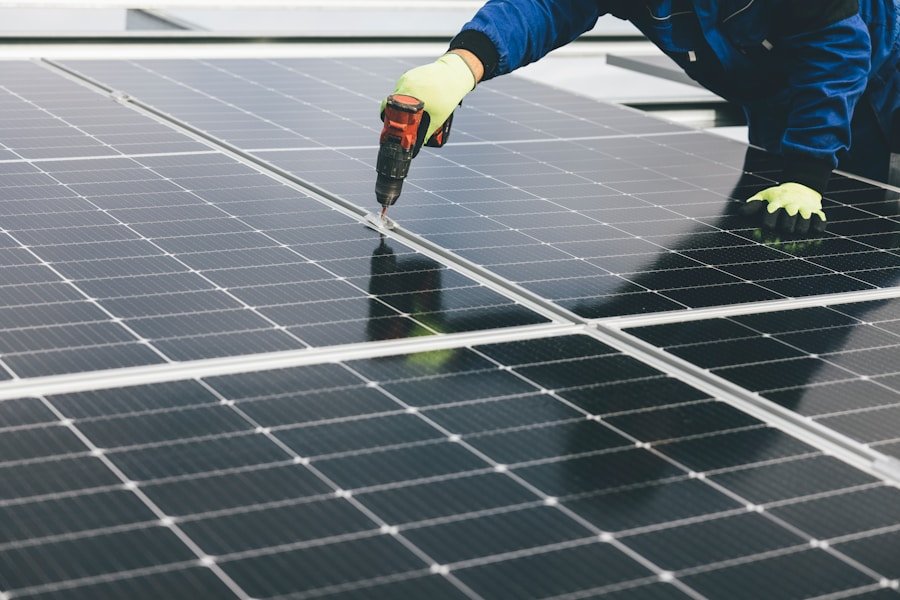
Dubai, known for its opulence and luxury, has also been making significant strides in the realm of sustainability. The city has recognized the importance of preserving the environment and has implemented various initiatives to promote sustainable living. With its ambitious vision to become one of the most sustainable cities in the world, Dubai has been investing in green business initiatives, sustainable transportation options, eco-friendly dining and hospitality, green building and architecture, renewable energy, waste management, and community engagement and education. These efforts have not only positioned Dubai as a global leader in sustainability but have also set an example for other cities to follow.
Dubai’s commitment to sustainability is evident in its efforts to reduce its carbon footprint and promote environmental conservation. The city has set ambitious targets to reduce energy and water consumption, increase the use of renewable energy, and minimize waste generation. With its strategic location and growing economy, Dubai has the potential to influence sustainable practices on a global scale. As the city continues to grow and develop, it is essential for Dubai to prioritize sustainability to ensure a better quality of life for its residents and visitors.
Top-Rated Green Business Initiatives in Dubai
Dubai has been at the forefront of promoting green business initiatives, with many companies embracing sustainable practices to reduce their environmental impact. From implementing energy-efficient technologies to adopting eco-friendly business models, Dubai’s business community has been proactive in promoting sustainability. One notable initiative is the Dubai Chamber of Commerce and Industry’s Green Business Network, which brings together businesses committed to environmental sustainability. The network provides resources and support to help businesses implement sustainable practices and reduce their carbon footprint.
Another top-rated green business initiative in Dubai is the Dubai Sustainable City, a first-of-its-kind sustainable community that aims to be a model for sustainable living. The city features solar panels, green spaces, and electric vehicle charging stations, among other eco-friendly amenities. Additionally, many hotels and restaurants in Dubai have also embraced sustainable practices, such as reducing plastic waste, sourcing local and organic ingredients, and implementing energy-efficient technologies. These green business initiatives not only benefit the environment but also contribute to Dubai’s reputation as a forward-thinking and environmentally conscious city.
Sustainable Transportation Options in Dubai
Dubai has been investing in sustainable transportation options to reduce traffic congestion and air pollution. The city’s public transportation system, including the Dubai Metro and Tram, has been instrumental in providing residents and visitors with efficient and eco-friendly travel options. The Dubai Metro, in particular, is one of the most advanced and environmentally friendly metro systems in the world, with energy-efficient trains and stations powered by solar energy.
In addition to public transportation, Dubai has also been promoting electric vehicles as a sustainable mode of transportation. The city has installed electric vehicle charging stations across various locations, making it convenient for residents and tourists to use electric cars. Furthermore, Dubai has been exploring innovative transportation solutions, such as autonomous vehicles and aerial taxis, to further reduce traffic congestion and emissions. These sustainable transportation options not only contribute to a cleaner environment but also enhance the overall mobility and accessibility in the city.
Eco-Friendly Dining and Hospitality in Dubai
Dubai’s dining and hospitality industry has been embracing eco-friendly practices to minimize its environmental impact. Many restaurants and hotels in the city have been implementing sustainable initiatives, such as reducing food waste, using biodegradable packaging, and sourcing local and organic ingredients. Some establishments have also adopted energy-efficient technologies and water-saving measures to conserve resources.
One notable example of eco-friendly dining in Dubai is the Farmhouse at the Ritz-Carlton, which features a farm-to-table concept with organic produce grown on-site. The restaurant’s commitment to sustainability extends beyond its menu, with eco-friendly practices incorporated into its operations and design. Additionally, several hotels in Dubai have obtained green certifications for their sustainable practices, such as LEED (Leadership in Energy and Environmental Design) certification for green buildings. These eco-friendly dining and hospitality initiatives not only cater to environmentally conscious consumers but also contribute to Dubai’s reputation as a sustainable tourism destination.
Green Building and Architecture in Dubai
Dubai has been at the forefront of green building and architecture, with many iconic structures incorporating sustainable design principles. The city’s skyline is adorned with environmentally friendly buildings that prioritize energy efficiency, water conservation, and renewable energy. One notable example is the Al Bahr Towers, which feature a unique façade inspired by traditional Islamic architecture that responds to the sun’s movement to reduce solar heat gain.
In addition to individual buildings, Dubai has also been investing in sustainable urban planning and development. The city’s commitment to green building is evident in its ambitious targets to increase the number of green buildings and reduce carbon emissions. Furthermore, Dubai has been promoting green building certifications, such as LEED and Estidama, to encourage developers to adopt sustainable design practices. These efforts have not only transformed Dubai’s skyline but have also set a new standard for environmentally conscious architecture.
Renewable Energy and Waste Management in Dubai
Dubai has been investing in renewable energy sources to reduce its reliance on fossil fuels and minimize its carbon footprint. The city has set ambitious targets to increase the share of renewable energy in its energy mix, with a focus on solar power. Dubai’s Mohammed bin Rashid Al Maktoum Solar Park is one of the largest solar parks in the world, with plans to expand its capacity to meet the city’s growing energy demand.
In addition to renewable energy, Dubai has also been implementing innovative waste management solutions to minimize waste generation and promote recycling. The city has invested in advanced waste-to-energy facilities that convert organic waste into biogas for electricity generation. Furthermore, Dubai has been promoting recycling initiatives and waste segregation programs to divert waste from landfills and promote a circular economy. These renewable energy and waste management efforts not only contribute to a cleaner environment but also support Dubai’s vision of becoming a more sustainable city.
Community Engagement and Education in Dubai’s Sustainability Efforts
Dubai has been actively engaging its community in sustainability efforts through various educational programs and initiatives. The city has been promoting environmental awareness and sustainability education in schools, universities, and community centers to instill a sense of environmental responsibility among its residents. Additionally, Dubai has been organizing community events and campaigns to raise awareness about environmental issues and promote sustainable living practices.
Furthermore, Dubai has been encouraging community participation in sustainability initiatives through volunteer programs and community-led projects. The city has also been collaborating with non-profit organizations and environmental groups to mobilize community support for environmental conservation efforts. These community engagement and education efforts not only foster a sense of environmental stewardship but also empower residents to take an active role in shaping a more sustainable future for Dubai.
In conclusion, Dubai’s commitment to sustainability is evident in its comprehensive efforts to promote green business initiatives, sustainable transportation options, eco-friendly dining and hospitality, green building and architecture, renewable energy, waste management, and community engagement and education. As the city continues to grow and develop, it is essential for Dubai to prioritize sustainability to ensure a better quality of life for its residents and visitors. With its ambitious vision to become one of the most sustainable cities in the world, Dubai has set an example for other cities to follow and has positioned itself as a global leader in sustainability.