
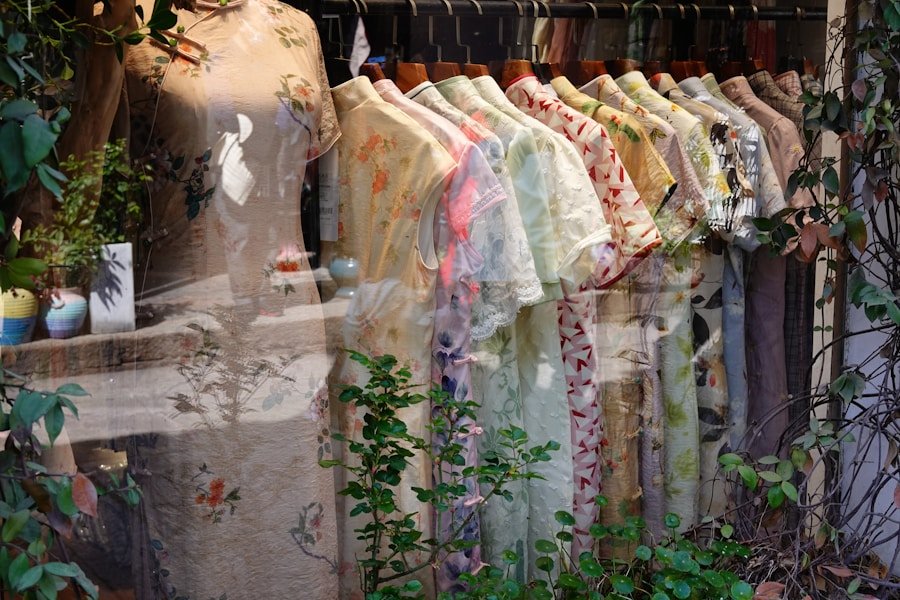
In recent years, there has been a significant rise in the popularity of sustainable fashion in both Paris and San José. Consumers are becoming more conscious of the environmental and social impact of their clothing choices, leading to a growing demand for eco-friendly and ethically produced garments. In Paris, the fashion capital of the world, there has been a noticeable shift towards sustainable practices among both established luxury brands and emerging designers. This trend is also evident in San José, where a burgeoning eco-friendly fashion scene is gaining momentum. Both cities are embracing the principles of sustainability, from using organic and recycled materials to implementing ethical production processes. As a result, sustainable fashion is becoming increasingly mainstream, with Paris and San José at the forefront of this movement.
In Paris, renowned fashion houses such as Stella McCartney and Chanel have been leading the way in sustainable fashion, setting an example for other luxury brands to follow. These influential designers have been incorporating eco-friendly materials and ethical production methods into their collections, demonstrating that sustainability can coexist with high fashion. Similarly, in San José, local designers and brands are making strides in promoting sustainable fashion, with a focus on using locally sourced materials and supporting fair labor practices. As a result, the sustainable fashion movement in both cities is gaining traction, with consumers becoming more aware of the impact of their clothing choices and seeking out environmentally friendly options. The rise of sustainable fashion in Paris and San José reflects a global shift towards more responsible and ethical practices within the fashion industry.
Eco-Friendly Initiatives and Innovations in the Fashion Industry
The fashion industry is undergoing a transformation as eco-friendly initiatives and innovations take center stage. In response to growing concerns about the environmental impact of clothing production, many brands and designers are implementing sustainable practices to reduce their carbon footprint. In Paris, there has been a surge in eco-friendly initiatives, with luxury brands investing in sustainable materials and production processes. From using organic cotton and recycled fabrics to adopting renewable energy sources, fashion houses in Paris are embracing innovative solutions to minimize their environmental impact. Similarly, in San José, local designers are pioneering eco-friendly innovations, such as upcycling and zero-waste production techniques. These initiatives are not only reducing waste but also promoting a more circular approach to fashion, where materials are reused and repurposed to minimize environmental harm.
One of the most significant innovations in the fashion industry is the development of sustainable textiles, which are revolutionizing the way clothing is produced. In recent years, there has been a surge in the use of innovative materials such as Tencel, Piñatex, and Econyl, which are derived from natural or recycled sources. These eco-friendly textiles offer a more sustainable alternative to traditional fabrics, as they require fewer resources and have a lower environmental impact. In addition to sustainable textiles, advancements in technology have also played a crucial role in promoting eco-friendly practices within the fashion industry. From 3D printing to digital design tools, technology is enabling designers to create more sustainable and efficient production processes. These innovations are driving positive change within the fashion industry, paving the way for a more sustainable and environmentally conscious future.
The Role of Fashion Weeks in Promoting Sustainable Practices
Fashion weeks play a pivotal role in promoting sustainable practices within the industry, as they provide a platform for designers to showcase their eco-friendly collections and initiatives. In Paris, the prestigious Paris Fashion Week has become a hub for sustainable fashion, with an increasing number of designers incorporating eco-friendly elements into their shows. From using sustainable materials to promoting ethical production methods, Paris Fashion Week has become a catalyst for change within the industry. Similarly, in San José, local fashion weeks are embracing sustainability as a core theme, with designers and brands showcasing their eco-friendly collections to raise awareness about the importance of responsible fashion. These events not only highlight the latest trends in sustainable fashion but also serve as a platform for dialogue and collaboration among industry stakeholders.
Fashion weeks also play a crucial role in influencing consumer behavior and shaping public perception of sustainable fashion. By showcasing eco-friendly collections on the runway, designers are able to demonstrate that sustainability can coexist with style and luxury. This has a powerful impact on consumers, who are increasingly seeking out environmentally friendly options when making purchasing decisions. As a result, fashion weeks have become instrumental in driving demand for sustainable fashion and encouraging brands to adopt more responsible practices. By leveraging their influence and reach, fashion weeks have the potential to drive positive change within the industry and promote a more sustainable future for fashion.
Comparing the Green Fashion Scenes in Paris and San José
While both Paris and San José are embracing sustainable fashion, there are notable differences in the green fashion scenes of these two cities. In Paris, the focus on sustainable fashion is largely driven by established luxury brands and high-end designers, who are incorporating eco-friendly elements into their collections to appeal to a more conscientious consumer base. The city’s long-standing reputation as a global fashion capital has positioned it as a leader in promoting sustainable practices within the industry. On the other hand, San José’s green fashion scene is characterized by a grassroots movement led by local designers and emerging brands. With a focus on using locally sourced materials and supporting fair labor practices, San José’s sustainable fashion scene reflects the city’s commitment to ethical and environmentally conscious production.
Another key difference between the green fashion scenes in Paris and San José is the level of government support and infrastructure for sustainable fashion initiatives. In Paris, there are government-led initiatives and policies aimed at promoting sustainability within the fashion industry, such as tax incentives for eco-friendly production practices and funding for research and development of sustainable textiles. This level of support has contributed to the city’s position as a global leader in sustainable fashion. In contrast, San José’s green fashion scene is driven primarily by private sector initiatives and grassroots efforts, with limited government involvement in promoting sustainability within the industry. Despite these differences, both cities are making significant strides in promoting sustainable fashion and driving positive change within the industry.
Challenges and Opportunities for Green Fashion in Both Cities
While the rise of sustainable fashion in Paris and San José presents numerous opportunities for positive change within the industry, it also comes with its fair share of challenges. One of the main challenges facing green fashion in both cities is consumer awareness and education. Many consumers are still unaware of the environmental and social impact of their clothing choices, making it difficult for sustainable fashion to gain widespread traction. In order to overcome this challenge, there is a need for greater education and awareness campaigns to inform consumers about the benefits of sustainable fashion and encourage them to make more responsible purchasing decisions.
Another challenge for green fashion in both cities is the cost associated with sustainable production practices. Eco-friendly materials and ethical production methods often come at a higher price point, making it challenging for designers and brands to compete with fast fashion retailers that offer cheaper alternatives. This presents an opportunity for governments and industry stakeholders to provide financial incentives and support for sustainable fashion initiatives, making it more accessible for designers to adopt eco-friendly practices without compromising on affordability.
Despite these challenges, there are numerous opportunities for green fashion to thrive in both Paris and San José. With growing consumer demand for eco-friendly options, there is an opportunity for designers and brands to capitalize on this trend by offering innovative and stylish sustainable collections that appeal to a conscientious consumer base. Additionally, there is an opportunity for collaboration and knowledge sharing between industry stakeholders to drive positive change within the industry. By working together to develop sustainable solutions and best practices, both cities can position themselves as leaders in promoting responsible fashion.
Influential Designers and Brands Leading the Way in Sustainable Fashion
In recent years, influential designers and brands have been leading the way in promoting sustainable fashion within the industry. In Paris, renowned designer Stella McCartney has been at the forefront of this movement, advocating for ethical production methods and using innovative eco-friendly materials in her collections. Her commitment to sustainability has set an example for other luxury brands to follow, demonstrating that it is possible to create high-end fashion without compromising on environmental responsibility. Similarly, luxury brand Chanel has been incorporating sustainable elements into its collections, from using organic cotton to investing in renewable energy sources for production.
In San José, local designers such as César Cedeño have been making waves in promoting sustainable fashion within the city’s burgeoning eco-friendly scene. Cedeño’s brand focuses on using locally sourced materials and supporting fair labor practices, reflecting his commitment to ethical and environmentally conscious production. Additionally, emerging brands such as Ecoalf have been pioneering innovative solutions for sustainable fashion, from using recycled materials to implementing zero-waste production techniques. These influential designers and brands are driving positive change within the industry, setting an example for others to follow and inspiring a new generation of designers to embrace sustainability.
The Future of Green Fashion: What Lies Ahead for Paris and San José
As sustainable fashion continues to gain momentum in both Paris and San José, the future looks promising for the industry. With growing consumer awareness and demand for eco-friendly options, there is an opportunity for green fashion to become increasingly mainstream within both cities. This presents an opportunity for designers and brands to innovate and collaborate on developing more sustainable solutions that appeal to a conscientious consumer base.
In addition to consumer demand, there is also an opportunity for greater collaboration between industry stakeholders to drive positive change within the industry. By working together to develop best practices and initiatives that promote sustainability, both cities can position themselves as leaders in responsible fashion.
Looking ahead, there is also an opportunity for governments to play a more active role in promoting sustainability within the fashion industry. By providing financial incentives and support for eco-friendly initiatives, governments can make it more accessible for designers to adopt sustainable practices without compromising on affordability.
Overall, the future of green fashion looks bright for both Paris and San José as they continue to lead the way in promoting sustainability within the industry. With growing consumer demand, innovative solutions, and greater collaboration among industry stakeholders, both cities have the potential to drive positive change within the global fashion industry.