
Regenerative luxury is a concept that goes beyond traditional notions of luxury, focusing on sustainability, social responsibility, and community well-being. In the cities of Paris and Dubai, regenerative luxury plays a significant role in shaping the urban landscape and the experiences offered to residents and visitors alike. Both cities are known for their opulence and extravagance, but they are also increasingly embracing the principles of regenerative luxury to ensure a more sustainable and inclusive future.
Paris, often referred to as the “City of Light,” is renowned for its rich history, cultural heritage, and timeless elegance. The city has long been a global center for art, fashion, and gastronomy, attracting millions of tourists each year. On the other hand, Dubai is a modern metropolis known for its futuristic skyline, luxury shopping malls, and ambitious development projects. The city has rapidly transformed from a desert outpost to a global hub for business, tourism, and innovation. Despite their differences, both Paris and Dubai are at the forefront of redefining luxury in the 21st century, integrating sustainability and social responsibility into their urban development and lifestyle offerings.
Cultural and Historical Context: Comparing the rich heritage and cultural influence of Paris with the modern and cosmopolitan identity of Dubai
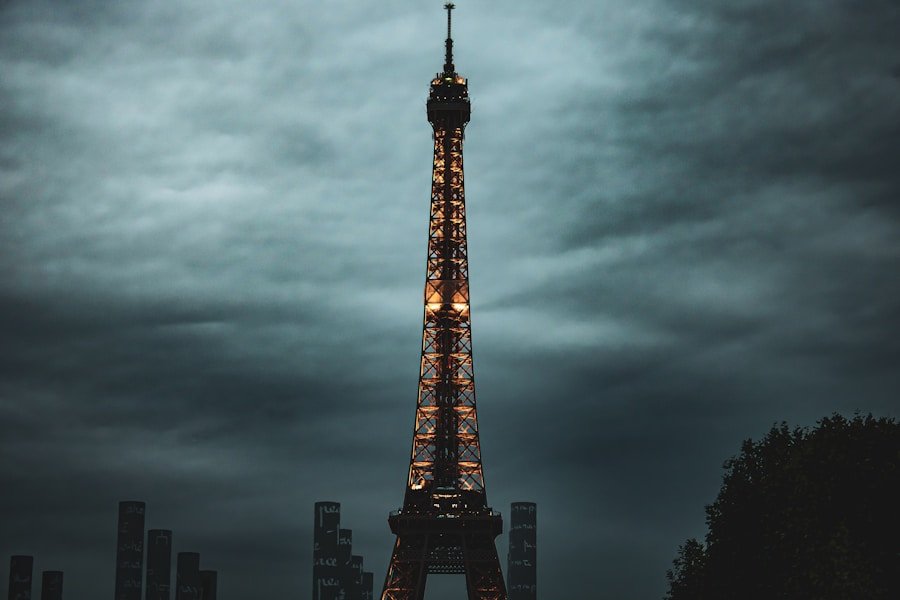
Paris is steeped in history and culture, with iconic landmarks such as the Eiffel Tower, Notre-Dame Cathedral, and the Louvre Museum attracting millions of visitors each year. The city’s cobblestone streets, charming cafes, and grand boulevards are a testament to its rich heritage and timeless allure. Paris has long been a global center for art, literature, and philosophy, with a deep appreciation for beauty, craftsmanship, and tradition.
In contrast, Dubai is a relatively young city that has rapidly emerged as a global hub for business, tourism, and innovation. The city’s skyline is dominated by futuristic skyscrapers, including the iconic Burj Khalifa, the world’s tallest building. Dubai is known for its luxury shopping malls, extravagant hotels, and ambitious development projects such as the Palm Jumeirah and the World Islands. The city’s cosmopolitan identity is shaped by its diverse population and its position as a melting pot of cultures from around the world.
Architectural and Urban Design: Contrasting the iconic landmarks and cityscapes of Paris with the innovative and futuristic architecture of Dubai
Paris is renowned for its iconic landmarks and architectural marvels that reflect centuries of history and cultural influence. The Eiffel Tower, built for the 1889 World’s Fair, has become a symbol of the city and a testament to human ingenuity. The Notre-Dame Cathedral, with its stunning Gothic architecture, has stood as a spiritual and cultural center for over 800 years. The city’s Haussmannian boulevards and grand palaces contribute to its timeless elegance and romantic charm.
In contrast, Dubai’s architectural landscape is characterized by modernity, innovation, and ambition. The Burj Khalifa, standing at over 828 meters tall, is a feat of engineering and design that has redefined the city’s skyline. The Palm Jumeirah, an artificial archipelago in the shape of a palm tree, is a testament to Dubai’s audacious vision and determination to push the boundaries of urban development. The city’s futuristic skyscrapers, such as the twisted Cayan Tower and the sail-shaped Burj Al Arab hotel, showcase the cutting-edge design and engineering prowess that have become synonymous with Dubai.
Sustainability and Environmental Impact: Analyzing the efforts and initiatives towards sustainability and environmental preservation in both cities
In recent years, both Paris and Dubai have made significant strides towards sustainability and environmental preservation. Paris has implemented initiatives to reduce air pollution, promote green spaces, and encourage sustainable transportation options such as cycling and public transit. The city has also committed to becoming carbon-neutral by 2050, with ambitious plans to reduce energy consumption and increase renewable energy sources.
Similarly, Dubai has launched several sustainability initiatives to reduce its environmental impact and promote eco-friendly practices. The city has invested in renewable energy projects such as solar power plants and has implemented green building standards to promote energy efficiency and reduce water consumption. Dubai’s ambitious goal is to become one of the most sustainable cities in the world by 2050, with a focus on preserving natural resources and mitigating climate change.
Luxury and Lifestyle: Examining the high-end experiences and amenities offered in Paris and Dubai, and their impact on the local and global luxury market
Both Paris and Dubai are synonymous with luxury experiences and amenities that cater to affluent residents and discerning travelers. Paris offers a wealth of high-end shopping districts, Michelin-starred restaurants, luxury hotels, and exclusive cultural experiences that reflect the city’s timeless elegance and sophistication. The city’s fashion houses, such as Chanel, Louis Vuitton, and Dior, have long been synonymous with luxury and craftsmanship, attracting fashion enthusiasts from around the world.
Dubai, on the other hand, is known for its extravagant shopping malls, luxury hotels, fine dining restaurants, and exclusive entertainment options that cater to a global elite. The city’s luxury market has seen rapid growth in recent years, driven by an influx of high-net-worth individuals seeking premium real estate, luxury goods, and bespoke experiences. Dubai’s reputation as a playground for the rich and famous has positioned it as a leading destination for luxury lifestyle offerings in the Middle East.
Community and Social Responsibility: Discussing the role of luxury brands and businesses in contributing to the well-being and development of the local communities in Paris and Dubai
Luxury brands and businesses in both Paris and Dubai have increasingly recognized their role in contributing to the well-being and development of local communities. In Paris, luxury fashion houses have supported cultural institutions, heritage preservation projects, and philanthropic initiatives that benefit local artisans and craftsmen. Many brands have also embraced sustainable practices in their production processes to minimize their environmental impact while supporting local communities.
Similarly, in Dubai, luxury brands have partnered with local charities, cultural organizations, and social enterprises to give back to the community. Many luxury hotels and resorts in Dubai have implemented corporate social responsibility programs that support education, healthcare, and environmental conservation efforts in the region. Luxury brands have also played a role in promoting local talent and craftsmanship through collaborations with artisans and designers from the UAE.
Reflecting on the similarities and differences in the approach to regenerative luxury in Paris and Dubai, and the potential for collaboration and exchange of best practices
In conclusion, Paris and Dubai represent two distinct approaches to regenerative luxury that reflect their unique cultural heritage, urban development strategies, and lifestyle offerings. While Paris embodies a timeless elegance rooted in history and tradition, Dubai represents a modern cosmopolitan identity driven by ambition and innovation. Both cities have made significant strides towards sustainability, environmental preservation, social responsibility, and community well-being.
The potential for collaboration between Paris and Dubai in the realm of regenerative luxury is significant. Both cities can learn from each other’s best practices in urban design, sustainability initiatives, community engagement, and luxury lifestyle offerings. By exchanging ideas and working together on common goals such as environmental conservation, cultural preservation, and social impact, Paris and Dubai can set an example for other cities around the world seeking to embrace regenerative luxury as a guiding principle for urban development in the 21st century.