
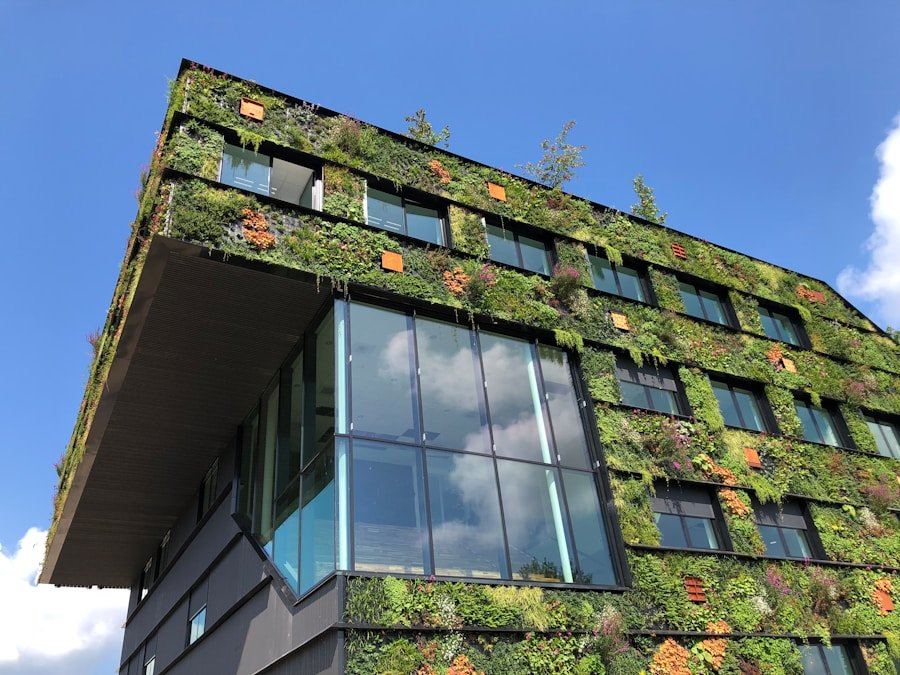
In recent years, there has been a significant rise in the demand for eco-friendly real estate. With growing concerns about climate change and environmental sustainability, more and more people are looking for homes and commercial properties that are built with a focus on reducing their environmental impact. This trend has been particularly prominent in cities like Dubai and Paris, where developers and architects are embracing sustainable design and green technology to create a new generation of environmentally friendly buildings.
The rise of eco-friendly real estate can be attributed to a number of factors. First and foremost, there is a growing awareness of the environmental impact of traditional real estate development. From the construction process to the ongoing energy consumption of buildings, traditional real estate has a significant carbon footprint. As a result, many consumers are seeking out properties that are designed to minimize their impact on the environment. Additionally, there is a growing understanding of the long-term financial benefits of eco-friendly real estate. While the initial cost of building green properties may be higher, the long-term savings on energy and maintenance costs can make them a more attractive investment. Finally, government regulations and incentives have also played a role in driving the demand for eco-friendly real estate. In many cities, there are now strict building codes and incentives for developers to incorporate sustainable design and green technology into their projects.
Sustainable Design and Architecture in Dubai and Paris
Dubai and Paris are two cities that have been at the forefront of sustainable design and architecture in recent years. In Dubai, the government has made a commitment to reducing the city’s carbon footprint and has implemented strict building codes that require new developments to meet certain environmental standards. As a result, many new buildings in Dubai are being designed with features such as solar panels, green roofs, and energy-efficient HVAC systems. Additionally, there has been a push towards creating more walkable and bike-friendly neighborhoods to reduce reliance on cars and promote a healthier lifestyle.
In Paris, sustainable design and architecture have also become a top priority. The city has implemented ambitious plans to reduce its carbon emissions and has set a goal of becoming carbon neutral by 2050. To achieve this, Paris has been investing in green infrastructure, such as green spaces, bike lanes, and public transportation. In terms of real estate development, there has been a focus on renovating existing buildings to make them more energy-efficient, as well as incorporating sustainable design principles into new construction projects. Both Dubai and Paris have recognized the importance of sustainable design and architecture in creating a more livable and environmentally friendly urban environment.
Green Technology and Energy Efficiency in Real Estate
One of the key components of eco-friendly real estate is the incorporation of green technology and energy-efficient systems. In both Dubai and Paris, developers are embracing the latest advancements in green technology to reduce energy consumption and minimize environmental impact. This includes features such as smart home automation systems, energy-efficient appliances, and renewable energy sources like solar panels and wind turbines.
In Dubai, there has been a particular emphasis on using green technology to combat the city’s high energy consumption. Many new developments are incorporating advanced HVAC systems that use less energy, as well as smart lighting systems that automatically adjust based on natural light levels. Additionally, there has been a push towards using renewable energy sources, such as solar panels, to power buildings and reduce reliance on traditional energy sources.
In Paris, energy efficiency has also been a top priority in real estate development. Many new buildings are being designed with features such as high-performance insulation, energy-efficient windows, and advanced heating and cooling systems. Additionally, there has been a focus on incorporating renewable energy sources into urban infrastructure, such as installing solar panels on public buildings and using geothermal energy for heating and cooling systems. By embracing green technology and energy efficiency, both Dubai and Paris are setting a new standard for environmentally friendly real estate development.
Eco-Friendly Amenities and Features in Green Real Estate Projects
In addition to sustainable design and green technology, eco-friendly real estate projects often incorporate a range of amenities and features that promote a more sustainable lifestyle. In both Dubai and Paris, developers are focusing on creating properties that offer residents access to green spaces, public transportation, and other environmentally friendly amenities.
In Dubai, many new developments are being designed with an emphasis on creating walkable neighborhoods with access to parks, bike paths, and public transportation. This not only reduces reliance on cars but also promotes a healthier lifestyle for residents. Additionally, many new buildings are incorporating features such as rooftop gardens, community composting programs, and recycling facilities to encourage sustainable living.
In Paris, there has been a similar focus on creating environmentally friendly amenities in real estate projects. The city has been investing in creating more green spaces, such as parks and urban gardens, to improve air quality and provide residents with access to nature. Additionally, there has been an emphasis on creating mixed-use developments that combine residential properties with retail spaces, restaurants, and cultural amenities to reduce the need for long commutes and promote a more sustainable urban lifestyle.
The Impact of Eco-Friendly Real Estate on the Environment
The rise of eco-friendly real estate has had a significant impact on the environment in cities like Dubai and Paris. By embracing sustainable design principles, green technology, and environmentally friendly amenities, developers have been able to reduce the carbon footprint of new construction projects and create more environmentally friendly urban environments.
One of the key ways that eco-friendly real estate has impacted the environment is through reduced energy consumption. By incorporating features such as energy-efficient appliances, smart home automation systems, and renewable energy sources, new buildings in Dubai and Paris are using less energy than traditional properties. This not only reduces carbon emissions but also helps to conserve natural resources.
Additionally, eco-friendly real estate has had a positive impact on air quality in both cities. By creating more green spaces, promoting walkable neighborhoods, and investing in public transportation, developers have been able to reduce reliance on cars and improve air quality. This has not only made the urban environment more pleasant for residents but also reduced the overall carbon footprint of the cities.
The Future of Green Real Estate in Dubai and Paris
Looking ahead, it is clear that the future of green real estate in Dubai and Paris is bright. Both cities have made significant commitments to reducing their carbon footprint and creating more environmentally friendly urban environments, and this trend is likely to continue in the coming years.
In Dubai, there are ambitious plans to continue investing in sustainable design and green technology to create a more environmentally friendly city. The government has set a goal of increasing the use of renewable energy sources to 75% by 2050 and has implemented strict building codes that require new developments to meet certain environmental standards. Additionally, there is a growing focus on creating more walkable neighborhoods with access to green spaces and public transportation.
In Paris, the future of green real estate looks equally promising. The city has set a goal of becoming carbon neutral by 2050 and has implemented ambitious plans to reduce its carbon emissions. This includes investing in green infrastructure, such as bike lanes and public transportation, as well as promoting sustainable design principles in new construction projects. With continued investment in sustainable design and green technology, both Dubai and Paris are poised to become global leaders in eco-friendly real estate.
Investing in Eco-Friendly Real Estate: Benefits and Considerations
For investors looking to capitalize on the rise of eco-friendly real estate in cities like Dubai and Paris, there are a number of benefits to consider. First and foremost, eco-friendly properties often offer long-term cost savings due to reduced energy consumption and maintenance costs. Additionally, there is growing demand for environmentally friendly properties from both residential and commercial tenants, which can lead to higher rental yields and property values.
However, there are also some considerations to keep in mind when investing in eco-friendly real estate. For example, the initial cost of building green properties can be higher than traditional construction methods, which may impact the overall return on investment. Additionally, there may be additional regulatory requirements or certifications needed for eco-friendly properties, which can add complexity to the development process.
Overall, investing in eco-friendly real estate can be a smart financial decision with long-term benefits for both investors and the environment. By embracing sustainable design principles, green technology, and environmentally friendly amenities, developers in cities like Dubai and Paris are creating a new generation of properties that offer both financial returns and positive environmental impact. As the demand for eco-friendly real estate continues to grow, investors who embrace this trend stand to benefit from the long-term value of environmentally friendly properties.