
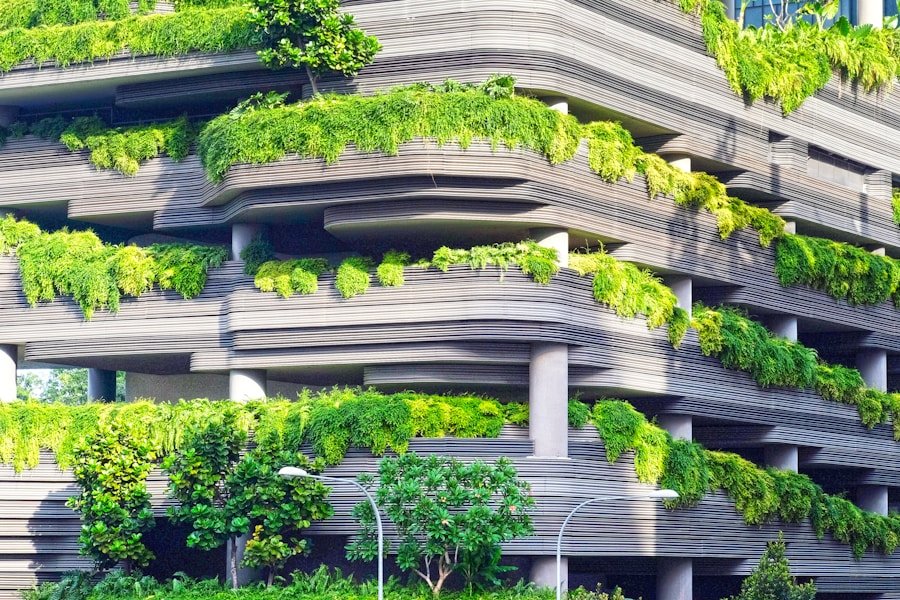
Dubai, known for its opulent skyscrapers and luxurious lifestyle, is also making a name for itself in the eco-creative industries. With a growing awareness of the importance of sustainability, Dubai has been investing in various sectors to promote eco-friendly practices and innovation. The eco-creative industries in Dubai encompass a wide range of sectors, including sustainable architecture and urban design, green technology and innovation, sustainable fashion and design, eco-friendly food and beverage industry, eco-tourism, and sustainable hospitality. These industries are not only contributing to the preservation of the environment but also creating new opportunities for economic growth and development in the region.
Dubai’s commitment to sustainability is evident in its ambitious goals to reduce carbon emissions and promote renewable energy sources. The city has been investing in green initiatives and promoting eco-friendly practices across various sectors. As a result, Dubai has become a hub for eco-creative industries, attracting innovators, entrepreneurs, and investors from around the world. The city’s dedication to sustainability has positioned it as a leader in the region and a model for other cities to follow.
Sustainable Architecture and Urban Design in Dubai
Dubai’s skyline is synonymous with modern architecture and innovative urban design. However, the city is also making strides in sustainable architecture and urban planning. With a focus on reducing energy consumption and minimizing environmental impact, Dubai has been incorporating green building practices into its urban development projects. From LEED-certified buildings to sustainable communities, the city is redefining its architectural landscape with a focus on sustainability.
One of the most notable examples of sustainable architecture in Dubai is the iconic Burj Khalifa, the tallest building in the world. The skyscraper incorporates various green building features, including energy-efficient glass facades, water-saving fixtures, and a state-of-the-art cooling system. Additionally, Dubai’s urban planning initiatives have prioritized pedestrian-friendly neighborhoods, green spaces, and efficient public transportation systems. The city’s commitment to sustainable architecture and urban design has not only enhanced its aesthetic appeal but also set a precedent for other cities looking to embrace eco-friendly practices.
Green Technology and Innovation in Dubai’s Eco-Creative Industries
Dubai has been at the forefront of green technology and innovation, leveraging its resources to develop sustainable solutions for various industries. The city has been investing in renewable energy sources, such as solar power and wind energy, to reduce its reliance on fossil fuels. Additionally, Dubai has been promoting research and development in green technology, leading to the emergence of innovative solutions for energy efficiency, waste management, and water conservation.
One of the most significant developments in green technology in Dubai is the Mohammed bin Rashid Al Maktoum Solar Park, one of the largest solar parks in the world. The park has been instrumental in diversifying Dubai’s energy mix and reducing its carbon footprint. Furthermore, Dubai has been fostering a culture of innovation through initiatives like the Dubai Future Accelerators program, which brings together startups and government entities to collaborate on sustainable solutions. The city’s commitment to green technology and innovation has positioned it as a global leader in sustainable development and a hub for eco-creative industries.
Sustainable Fashion and Design in Dubai
Dubai’s fashion and design industry has been embracing sustainability as a core principle, with a growing emphasis on ethical production practices and eco-friendly materials. The city has been promoting sustainable fashion through initiatives like Dubai Design District (d3), a hub for creative talent and innovative design. From eco-friendly clothing lines to sustainable accessories, Dubai’s fashion industry is redefining luxury with a focus on environmental responsibility.
In addition to promoting sustainable fashion brands, Dubai has also been investing in sustainable design practices across various sectors. The city has been incorporating green design principles into its infrastructure projects, from eco-friendly buildings to sustainable public spaces. Furthermore, Dubai has been hosting events like Dubai Design Week, which showcases sustainable design innovations from around the world. The city’s commitment to sustainable fashion and design has not only elevated its status as a global fashion capital but also set new standards for ethical and environmentally conscious practices.
Eco-Friendly Food and Beverage Industry in Dubai
Dubai’s food and beverage industry has been undergoing a transformation towards sustainability, with a growing emphasis on organic produce, ethical sourcing, and eco-friendly packaging. The city has been promoting sustainable dining experiences through initiatives like Dubai Food Festival, which highlights local and international cuisines with an emphasis on sustainability. From farm-to-table restaurants to zero-waste initiatives, Dubai’s food and beverage industry is embracing eco-friendly practices to minimize its environmental impact.
In addition to promoting sustainable dining options, Dubai has also been investing in eco-friendly food production methods, such as hydroponic farming and vertical gardens. These innovative approaches not only reduce the carbon footprint of food production but also contribute to food security in the region. Furthermore, Dubai has been encouraging sustainable packaging solutions, such as biodegradable containers and reusable materials, to minimize waste in the food and beverage industry. The city’s commitment to eco-friendly practices in the food and beverage industry has positioned it as a leader in sustainable dining experiences and a model for other cities to follow.
Dubai’s Eco-Tourism and Sustainable Hospitality
Dubai’s tourism industry has been evolving towards sustainability, with a growing emphasis on eco-tourism experiences and sustainable hospitality practices. The city has been promoting eco-friendly tourism initiatives through attractions like Al Marmoom Desert Conservation Reserve, which offers visitors an opportunity to explore the desert ecosystem while promoting conservation efforts. Additionally, Dubai has been investing in sustainable hospitality practices, from green hotels to eco-resorts that prioritize energy efficiency and environmental conservation.
One of the most notable developments in eco-tourism in Dubai is the Dubai Sustainable Tourism Initiative, which aims to promote responsible tourism practices and minimize the environmental impact of tourism activities. The initiative encourages tourists to engage in sustainable experiences, such as wildlife conservation projects and cultural heritage tours. Furthermore, Dubai has been promoting sustainable hospitality practices through initiatives like Green Globe certification, which recognizes hotels and resorts that demonstrate a commitment to environmental sustainability. The city’s dedication to eco-tourism and sustainable hospitality has not only enhanced its appeal as a tourist destination but also contributed to the preservation of its natural resources.
Challenges and Future Opportunities for Sustainability in Dubai’s Eco-Creative Industries
While Dubai has made significant strides in promoting sustainability across various sectors, there are still challenges that need to be addressed to ensure long-term success. One of the key challenges is the need for greater awareness and education about sustainable practices among businesses and consumers. Dubai will need to invest in initiatives that promote environmental literacy and encourage behavioral changes towards more sustainable lifestyles.
Another challenge is the need for greater collaboration between government entities, businesses, and civil society to drive sustainability initiatives forward. Dubai will need to foster partnerships that facilitate knowledge sharing, resource mobilization, and collective action towards common sustainability goals. Additionally, there is a need for continued investment in research and development to drive innovation in eco-creative industries and promote the adoption of sustainable technologies.
Despite these challenges, there are numerous opportunities for further advancement of sustainability in Dubai’s eco-creative industries. The city can leverage its position as a global hub for innovation and entrepreneurship to attract investment in sustainable solutions and foster a culture of creativity and ingenuity. Furthermore, Dubai can capitalize on its strategic location as a gateway between East and West to promote knowledge exchange and collaboration on sustainability initiatives.
In conclusion, Dubai’s eco-creative industries are at the forefront of promoting sustainability across various sectors, from architecture and urban design to fashion and hospitality. The city’s commitment to environmental responsibility has positioned it as a global leader in eco-friendly practices and innovation. While there are challenges that need to be addressed, there are also numerous opportunities for further advancement of sustainability in Dubai’s eco-creative industries. With continued investment in green technology, innovation, and collaboration, Dubai is poised to become a model for sustainable development in the region and beyond.